The US Treasury’s move to sanction an Iraqi bank for links to Iranian government agencies and militias loyal to Tehran is the latest effort to choke off a shadow financial system that helps Iran move money, goods and influence across the region.
US Treasury sanctions Iraqi bank linked to Iran
The action matters because banks tied to sanctioned networks can serve as critical conduits for trade settlement, currency conversion and cross-border payments at a time when Iran is already under intense economic pressure. By naming an Iraqi institution as part of that web, Washington is signaling that enforcement will extend beyond Iran’s borders and into the regional financial channels Tehran relies on to evade restrictions.
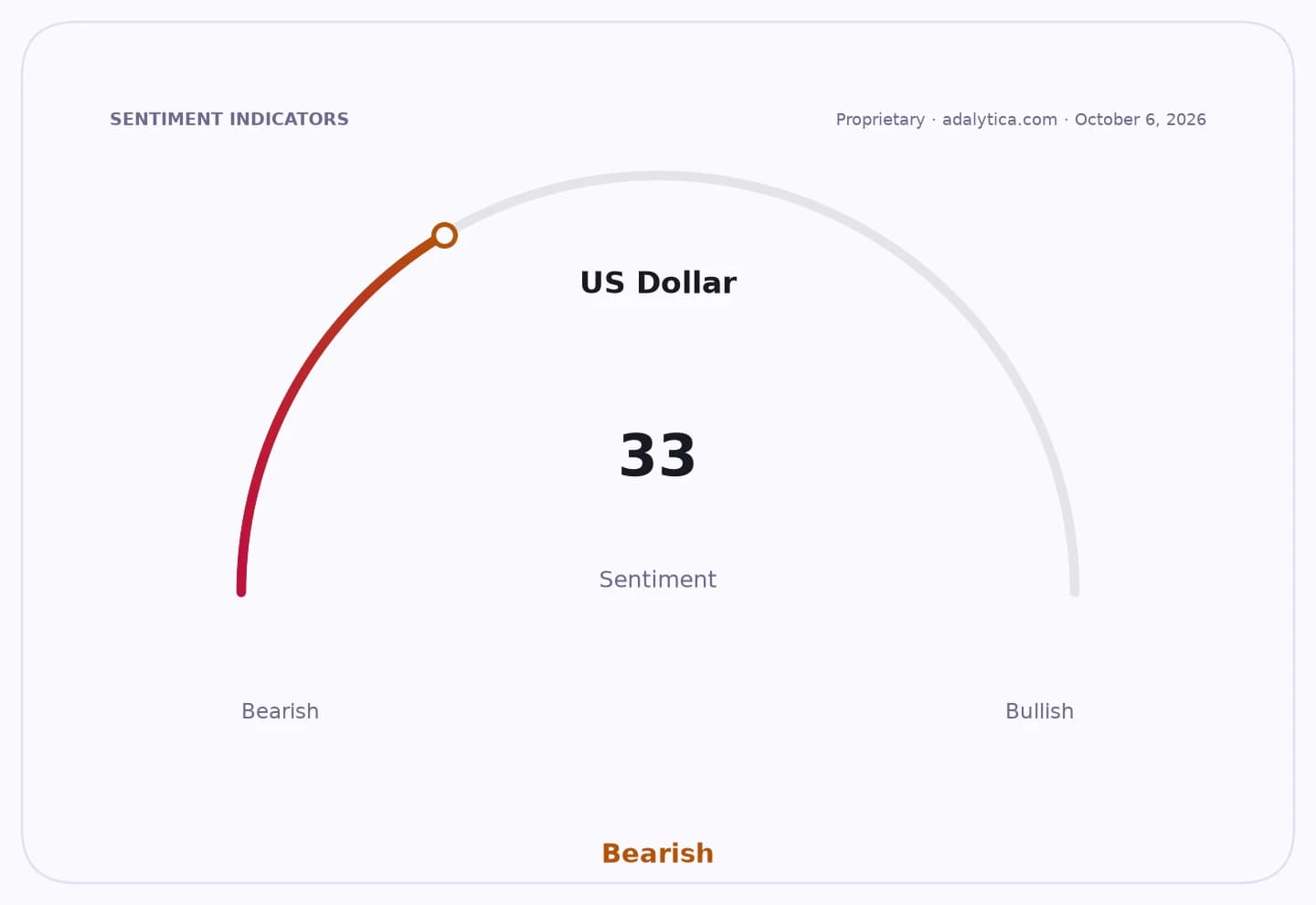
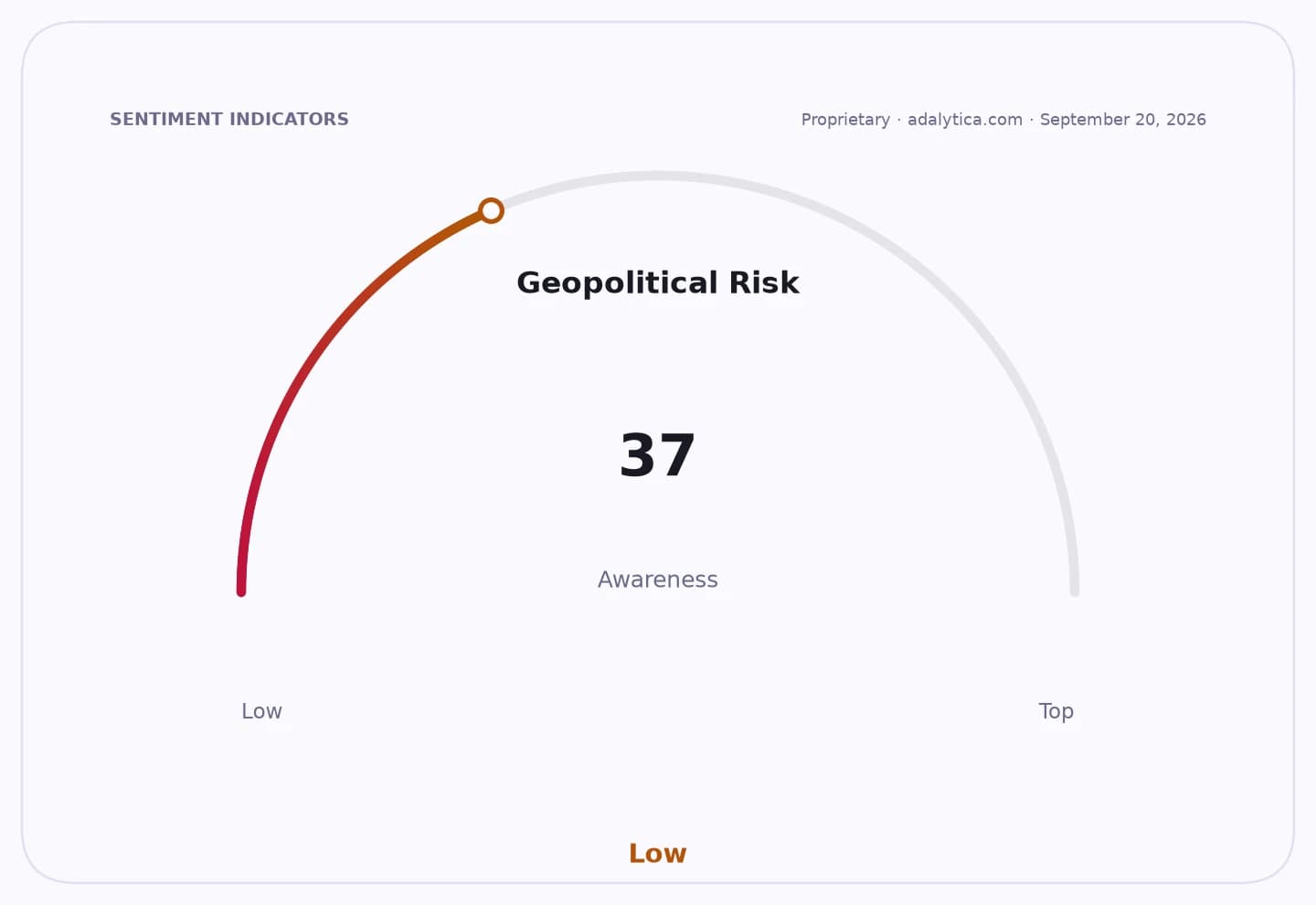
Sentiment IndicatorsⓘProprietary · adalytica.com · October 17, 2026
This is a snapshot — live sentiment, awareness and momentum for 130+ markets update continuously in the dashboard.Open AlphaPulse
That raises the cost of doing business for banks, traders and counterparties operating near Iran’s orbit. Institutions with exposure to Iraq, the Gulf and broader emerging-market payment flows may face tougher compliance checks, slower transactions and greater de-risking by international banks seeking to avoid secondary sanctions risk. For Iraq, the episode is also a reminder of how vulnerable its financial system remains to geopolitical spillovers from the US-Iran confrontation.
The new sanctions fit a broader US campaign to close alternative trade routes and financing mechanisms that have allowed Tehran to blunt the effect of previous restrictions. Treasury has repeatedly targeted intermediaries, front companies and financial channels tied to Iran’s regional network, arguing that economic isolation remains one of Washington’s few durable tools short of direct confrontation.
For investors, the immediate market implication is less about a single bank than about the durability of sanctions risk across the region. Banks with cross-border exposures, payment processors and commodity traders can all be affected if enforcement expands. Equity investors in financials tend to focus on capital and earnings, but geopolitical compliance costs can also weigh on valuations, funding access and counterparties’ willingness to transact.
The broader backdrop is a market still sensitive to Middle East risk and to any sign of disruption in oil-related trade and capital flows. In that environment, a sanctions action aimed at a bank linked to Tehran’s network reinforces the view that US policy is leaning further toward financial containment, with knock-on effects for regional liquidity and investor sentiment.
For now, the key question is whether this becomes a one-off designation or the start of a wider squeeze on Iraqi and regional institutions that facilitate Iran’s external financing. If Washington widens the net, the economic pain could spread well beyond the targeted bank, but so could the incentive for Iran and its partners to move further into opaque channels that are harder to police.
| Entity | Gains | Losses |
|---|---|---|
| US Treasury | ▲Enforces sanctions leverage | ▼Faces diplomatic friction |
| Iran-linked networks | ▲More secrecy incentives | ▼Access to formal finance |
| Iraqi banks | ▲Tighter compliance clarity | ▼Higher sanction risk |
| International lenders | ▲Lower exposure to Iran risk | ▼Slower regional transactions |