Iraq’s decision to raise the exchange rate has quickly become a political and social fault line, with clerics now pressing the government to pay state wages in dollars and shield lower-income households from a jump in prices.
Iraq raises dinar exchange rate, clerics call for dollar wages
That matters because the dinar move is not just a technical adjustment in the foreign-exchange market. It directly squeezes the purchasing power of a public sector that relies on monthly salaries, pensions and state transfers, while feeding inflation in a dollar-dependent economy that imports much of what it consumes. For investors, the episode is a reminder that currency policy in Iraq can rapidly spill into fiscal stress, social unrest and renewed pressure on policymakers to reverse course or compensate households.
The clearest warning came from Najaf, where cleric Sadr al-Din al-Qabbanji urged Baghdad to reconsider the exchange-rate change and said that if the government insists on it, it should pay employees in dollars. In Baghdad, Imam Abd al-Sattar Abd al-Jabbar called for immediate protections for low-income families and pensioners, warning that the devaluation would “crush” those on fixed incomes.
The cabinet raised the official rate to 1,500 dinars to the dollar for government purchases, 1,510 for banks and 1,520 for end users, a move that effectively lifted the retail rate by 20,000 dinars per $100 from the previous 1,320. The parallel market had already surged to around 165,000 dinars per $100 before the announcement, underscoring how expectations, leakage and speculation can move faster than policy.
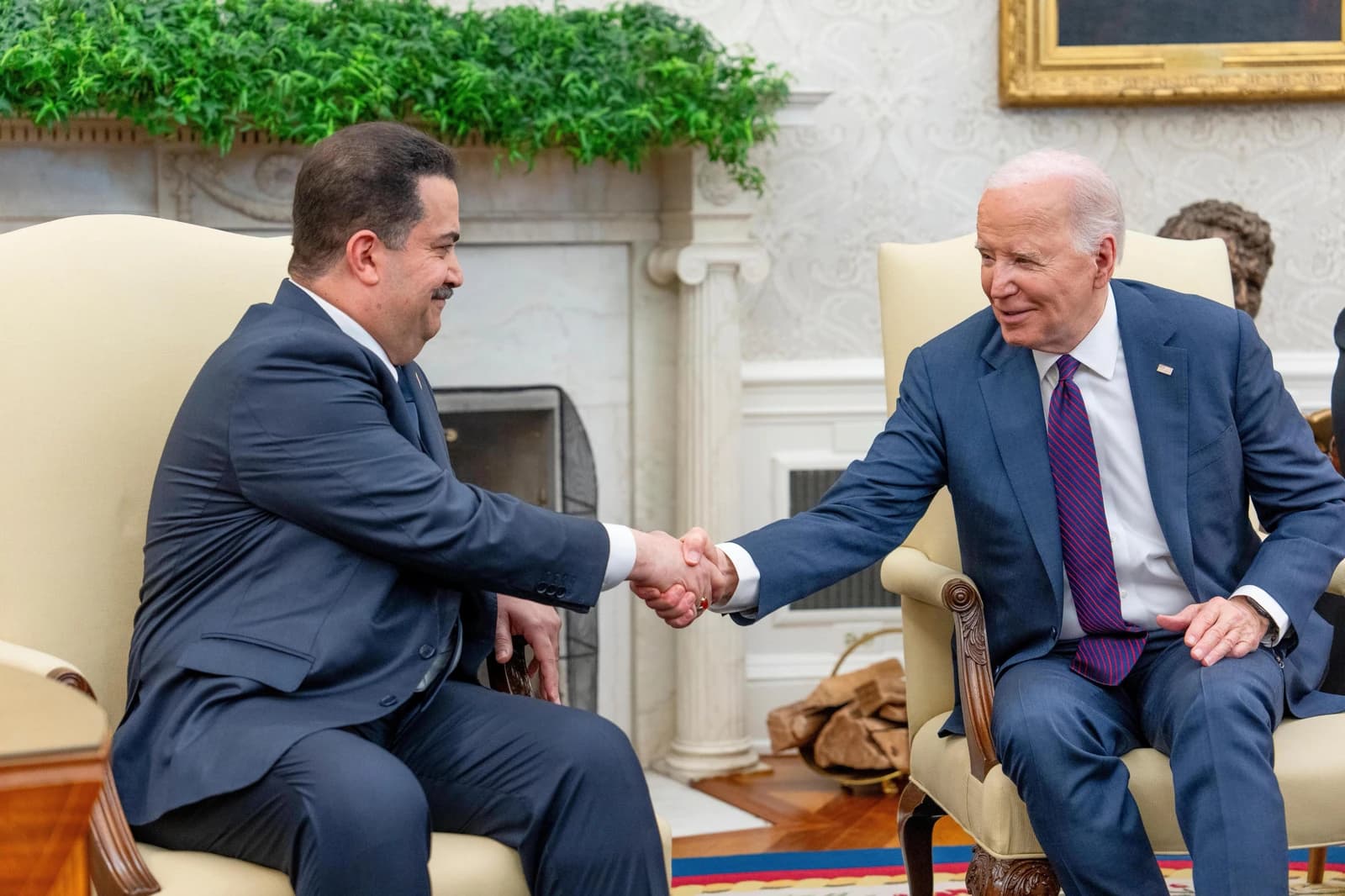
The government is defending the step as a necessity, not a choice. Prime Minister Mohammed al-Zeidi told parliament the country faced three bad options: forced savings, stretching salary payments to 45 days, or borrowing heavily and piling onto an already strained debt load. He said the state needed to preserve salaries even as oil exports were disrupted and the economy came under pressure, with public debt above 208 trillion dinars and monthly financing needs of roughly 10 trillion dinars.
That is the heart of the investment case here: Iraq’s currency move is a fiscal and social stabilizer in the short run, but it also exposes how narrow the country’s policy room really is. With about 90% of revenue tied to oil and only a small share coming from religious tourism, Baghdad has little buffer when export flows or logistics are disrupted. That makes the exchange rate a blunt but powerful lever — one that can quickly redistribute pain from the state to households.
For markets, the immediate winners are dollar earners and businesses with hard-currency revenue, while the losers are wage-dependent consumers, pensioners and import-heavy retailers facing higher costs. The broader implication is that any sustained devaluation path could keep inflation sticky, weaken real incomes and fuel political pressure for subsidies, wage adjustments or administrative measures that distort the economy further.
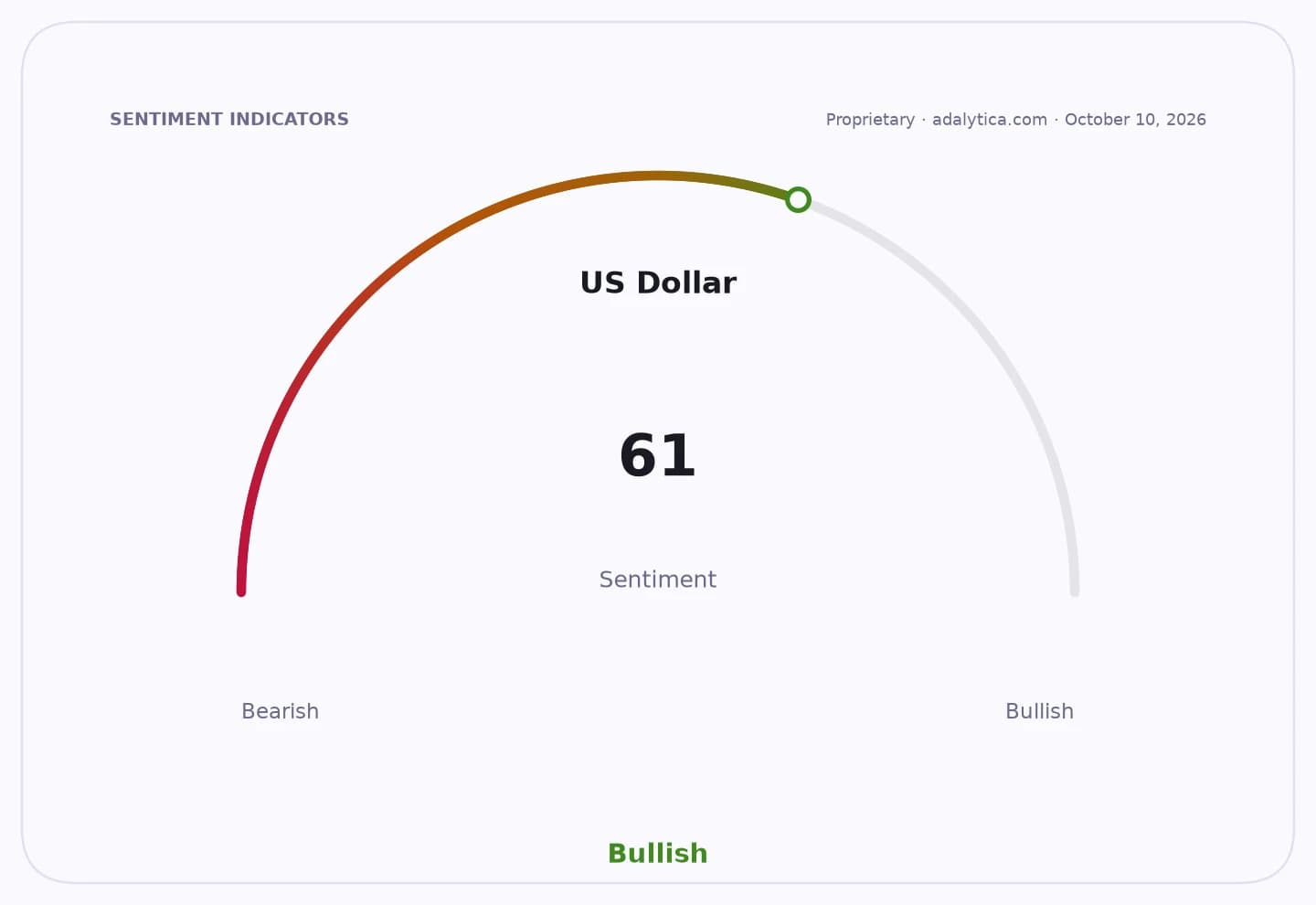
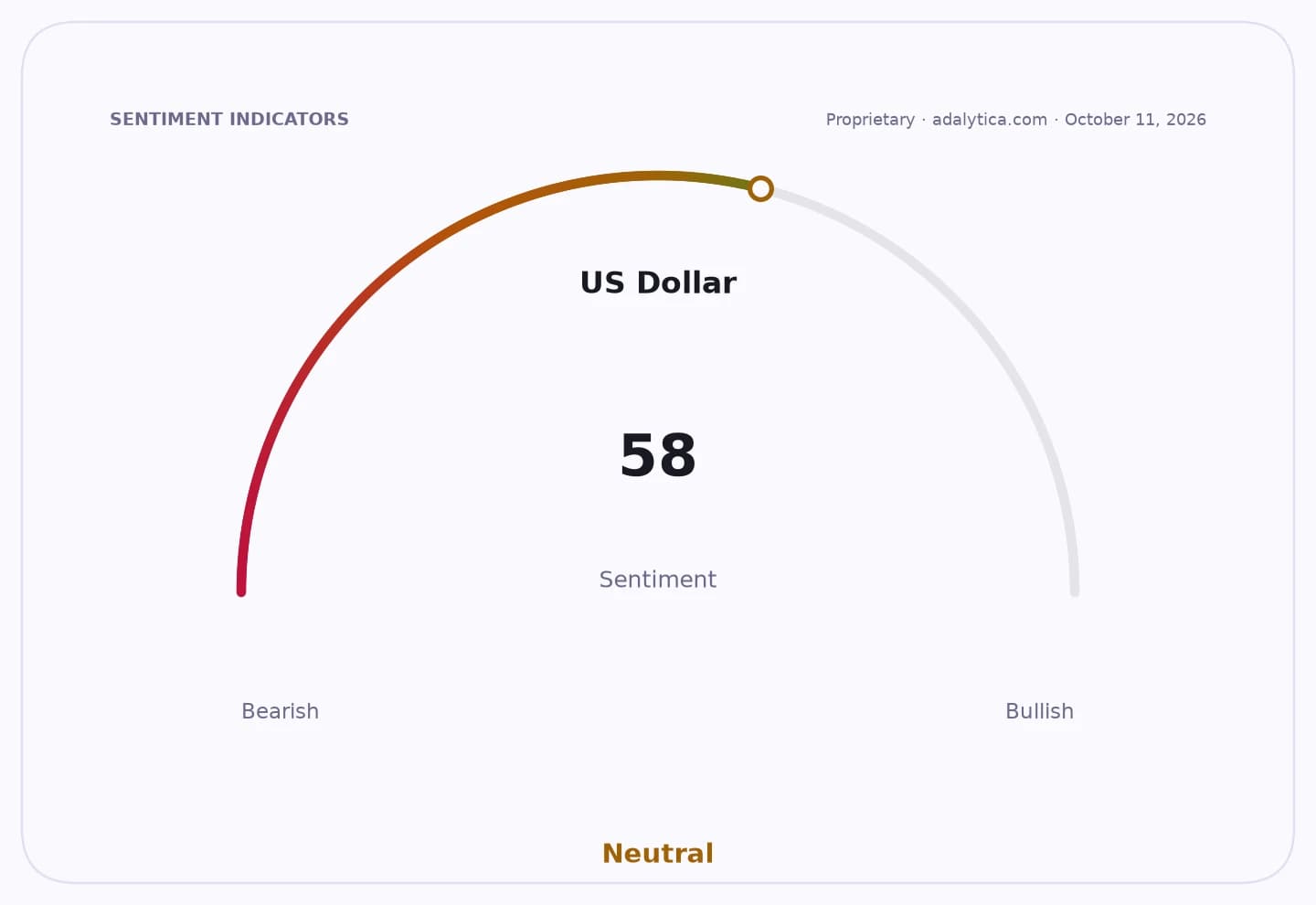
Technically, the dollar’s broad trade backdrop remains firm: the U.S. Dollar index proxy UUP is holding above its 50-day and 200-day moving averages, while Adalytica’s USD trade signals show neutral sentiment but a strong 30-day rise in awareness. That reinforces the regional pressure on currencies such as the dinar and helps explain why governments from Iraq to India are being forced into difficult trade-offs between price stability and growth.
The market underestimates how quickly exchange-rate decisions can turn into social policy crises in dollarized economies. Iraq’s devaluation is not the end of the story; it is the start of a new round of bargaining over wages, subsidies and who absorbs the cost of a weaker currency. Investors should watch for further protests, parliamentary pushback and any sign that Baghdad is forced into ad hoc compensation measures — the kind that can widen fiscal slippage and keep Iraqi assets under pressure.
| Entity | Gains | Losses |
|---|---|---|
| Iraqi state finances | ▲Higher local-currency revenue | ▼Household purchasing power |
| Dollar earners/importers | ▲Stronger relative income | ▼Dinar wage earners |
| Speculators in FX markets | ▲Volatility opportunities | ▼Currency stability |
| Low-income households/pensioners | ▲Potential future subsidies | ▼Immediate inflation pain |