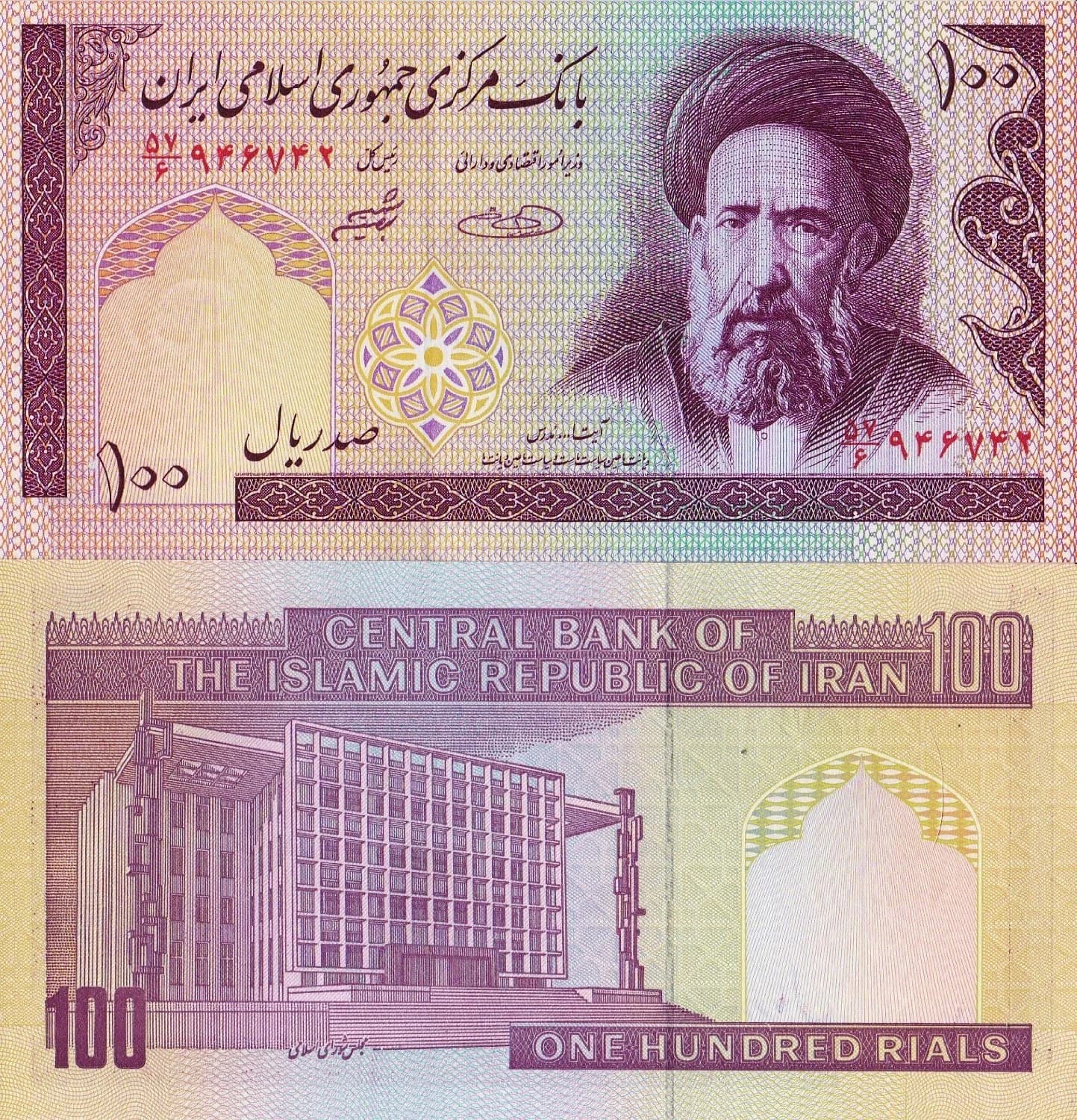
Iraq’s decision to officially devalue the dinar to 1,500 per U.S. dollar and suspend advance collection of import tariffs marks a fresh attempt to close the gap between the official exchange rate and the parallel market, a move that should ease pressure on traders but risks feeding inflation and exposing the state’s fragile foreign-exchange regime.
Iraq devalues dinar to 1,500 per dollar
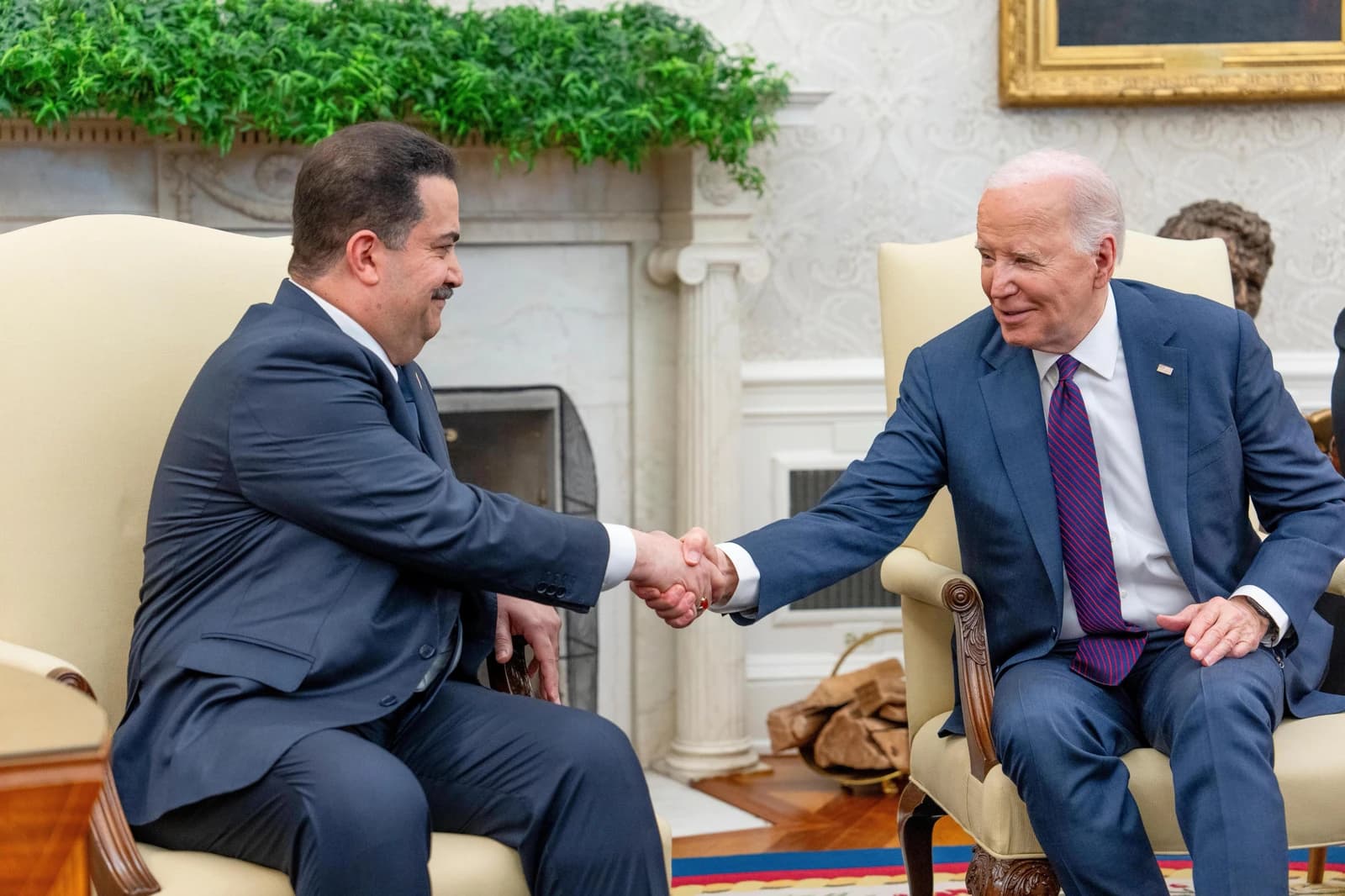
The finance ministry’s move, effective Wednesday, resets the sovereign purchase rate at 1,500 dinars per dollar, from 1,310 since early 2023, and sets a 1,510 wholesale rate for commercial banks and a 1,520 retail ceiling for importers and end buyers. At the same time, Baghdad scrapped a rule that forced merchants to prepay estimated customs duties and income-tax deposits before international transfers, a requirement that had choked liquidity and driven cash-dollar prices above 160,500 dinars per $100 earlier in the week.
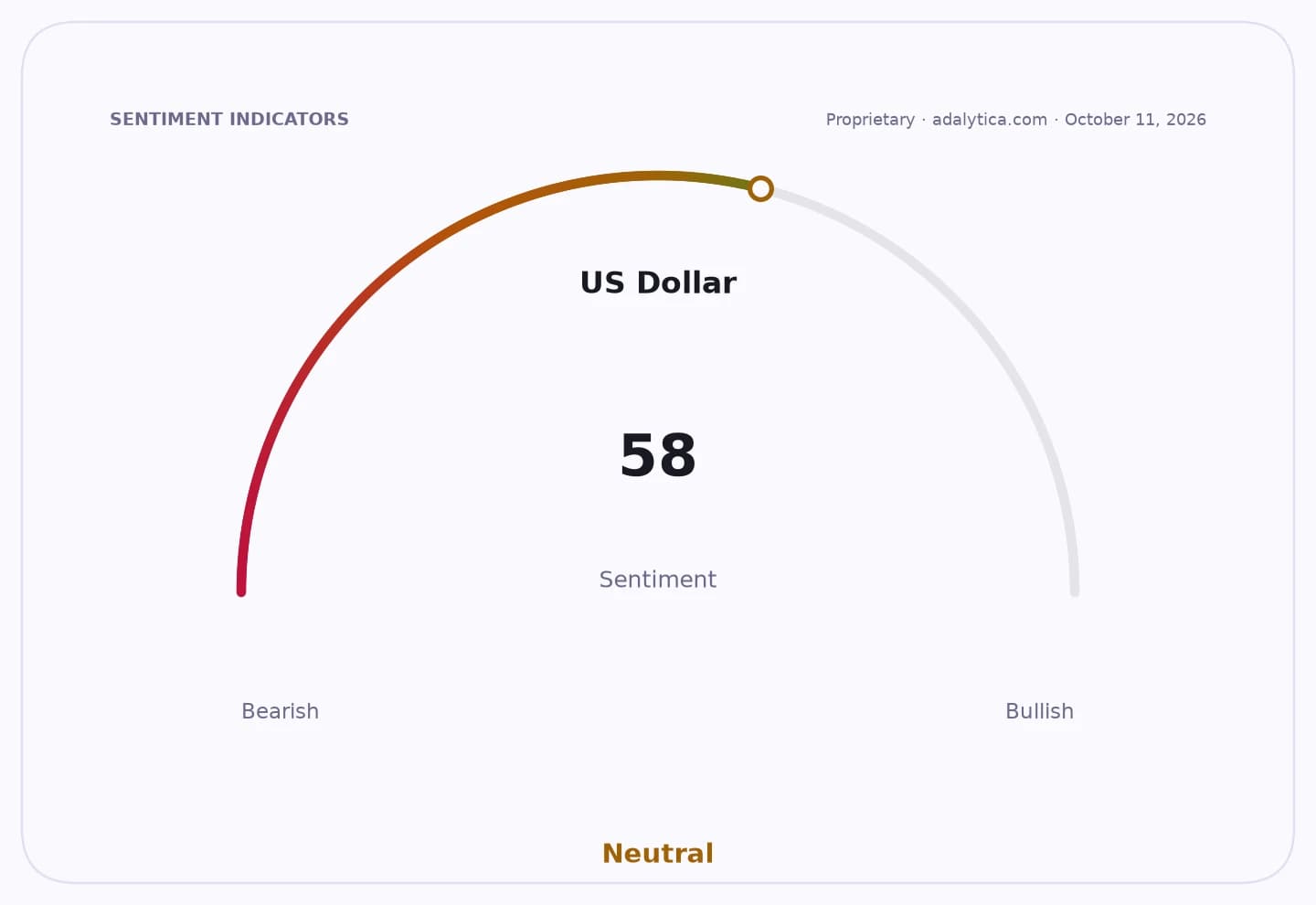
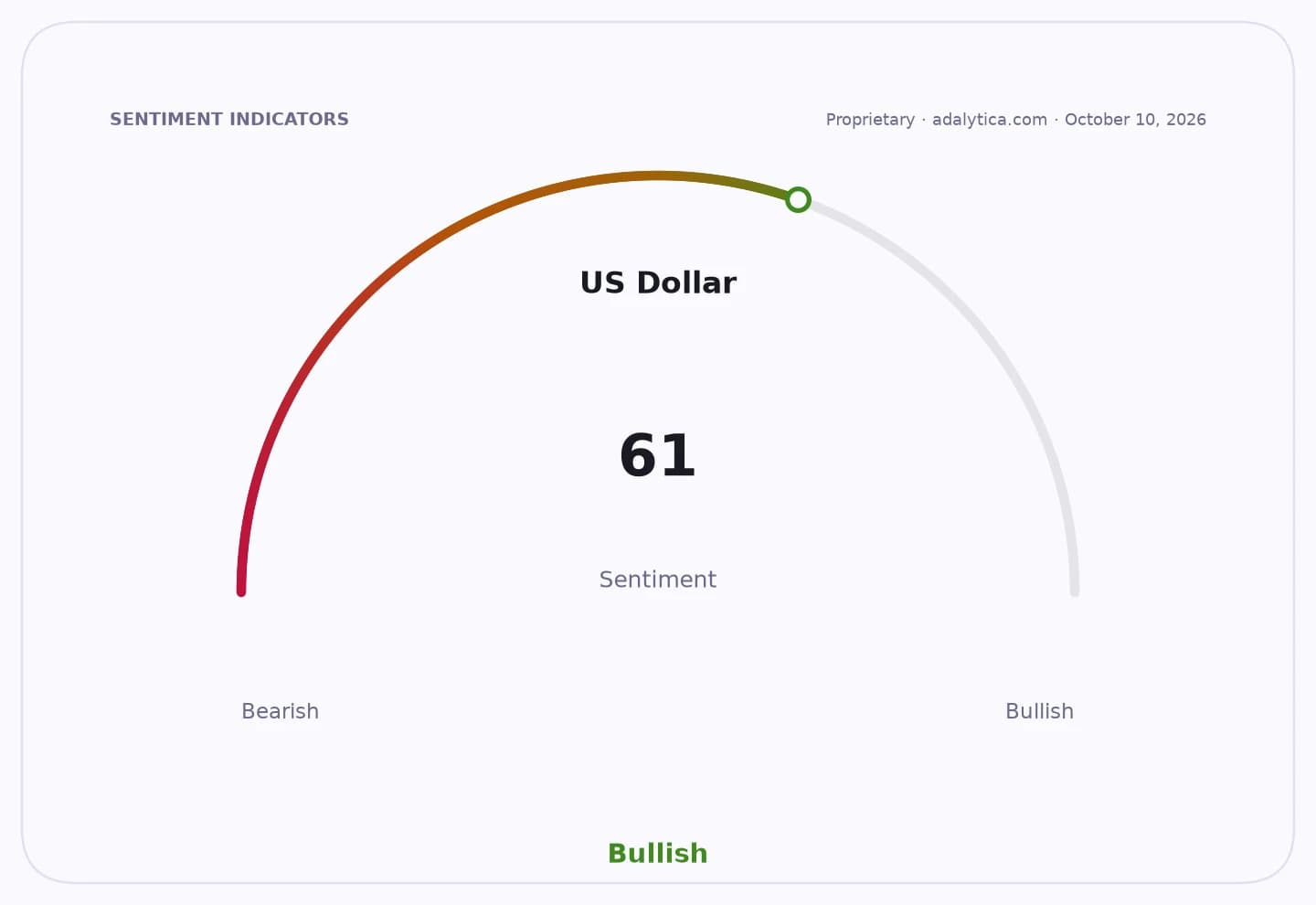
Sentiment IndicatorsⓘProprietary · adalytica.com · October 8, 2026
This is a snapshot — live sentiment, awareness and momentum for 130+ markets update continuously in the dashboard.Open AlphaPulse
For the government, the logic is straightforward: align the official rate more closely with market reality and reduce incentives for arbitrage, hoarding and remittances through informal channels. For the economy, the consequences are broader. Iraq is heavily dependent on imports, so any weakening of the dinar immediately raises the local-currency cost of food, consumer goods, machinery and fuel-linked purchases. That puts upward pressure on headline inflation and squeezes households already facing weak purchasing power.
The policy reversal also underscores how difficult it has been for authorities to manage customs reforms and tax collection without disrupting trade. The advance-settlement regime, introduced only days earlier, was intended to improve state revenue capture through the ASYCUDA system and electronic payment gateways. Instead, it created a cash bottleneck, prompting importers to seek dollars in the parallel market and widening strains across wholesale supply chains. Suspending it gives traders breathing room and should improve settlement flows, but it also signals that Baghdad remains forced to choose between tighter fiscal control and economic continuity.
For investors, the immediate question is whether the new band can calm currency volatility or merely formalize a weaker dinar. A more competitive official rate may reduce some speculative pressure and narrow the spread with the street market, which is typically supportive for bank liquidity and trade finance activity. But the change also implies higher import costs, weaker consumer demand and potentially more inflation-linked social pressure, all of which complicate the outlook for Iraqi assets and policy credibility.
The move comes after a year of overlapping customs changes, including higher duties on some vehicle imports and the loss of exemptions on hybrids, suggesting a government trying to widen non-oil revenue without derailing commerce. That balancing act will remain the key market issue: if the new exchange framework restores orderly access to dollars, it could stabilize trade; if not, Iraq may be forced into further adjustments as the gap between policy and market conditions reopens.
| Entity | Gains | Losses |
|---|---|---|
| Iraqi importers | ▲Easier dollar access | ▼Higher local-currency costs |
| Iraqi government | ▲Better FX alignment | ▼Inflation risk |
| Banks / FX dealers | ▲Clearer rate band | ▼Lower arbitrage spreads |
| Consumers | ▲Fewer supply bottlenecks | ▼More expensive imports |