Iraq’s state-owned Rasheed Bank has lifted the daily top-up limit on electronic payment cards to 2 million Iraqi dinars, a move that should make card-based spending easier just as the country pushes more salaries and everyday transactions onto digital rails.
Iraq Rasheed Bank raises card top-up limit
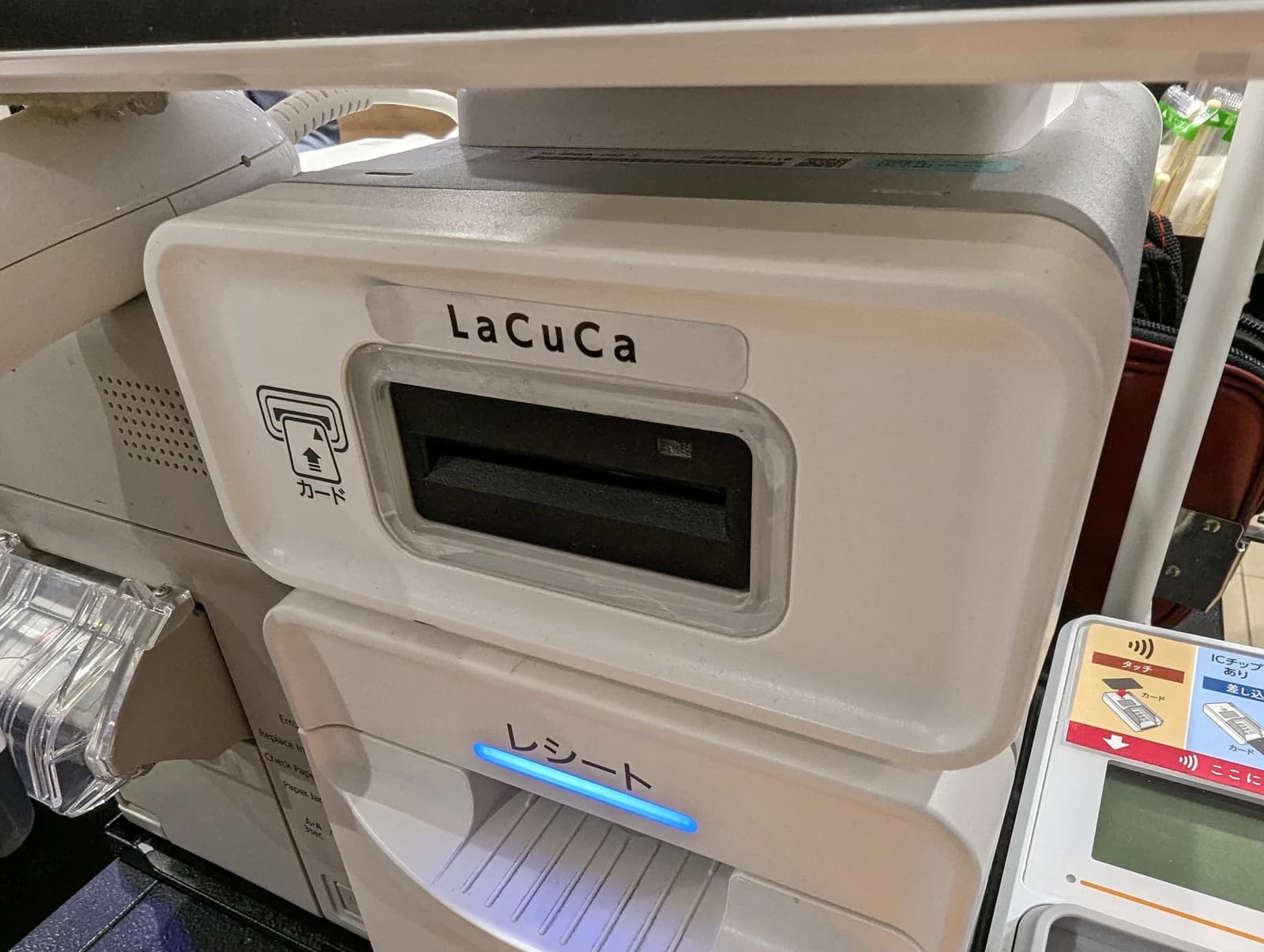
That matters because the change is bigger than a convenience tweak. Iraq has been trying to widen the use of electronic payments for years, and banks have been under pressure from the government and the central bank to expand digital services. By making it easier to load cash onto cards through POS terminals and electronic payment outlets in Baghdad and the provinces, Rasheed is helping remove one of the practical frictions that has slowed adoption.
Sentiment Indicators
For investors, the message is that Iraq’s payments market is still in the early stages of formalization. More card usage can mean higher transaction volumes for banks, more fee income for payment networks and processors, and a gradual shift away from cash-heavy behavior that has long limited financial penetration. Mastercard and Visa usage in Iraq has already been rising, especially after the government decided civil servants’ salaries should be paid only through cards.
That salary policy is important. When wages move into the banking system, card usage tends to follow, not only for withdrawals but for shopping, bill payments and other daily expenses. A higher daily loading cap makes those cards more useful, which in turn can deepen the habit of digital payments among households and merchants.
Rasheed Bank is the country’s second-largest state bank, so its decision carries weight. It also suggests the authorities are still building the basic plumbing of consumer finance rather than rushing toward sophisticated products. That usually favors the long game: better visibility of cash flows, a broader deposit base for banks and a more traceable spending system for the economy.
There are risks, of course. Iraq still relies heavily on cash, and adoption will depend on merchant acceptance, trust in electronic systems and the broader stability of the banking sector. But for long-term investors, the direction is clear: every step that shifts salaries, payments and consumer spending onto cards supports the country’s financial modernization.
For now, this looks like a small policy change with a big compounding effect. Investors watching Iraq’s banking and payments space should keep it on the watchlist, especially if more state banks follow Rasheed’s lead.
| Entity | Gains | Losses |
|---|---|---|
| Rasheed Bank | ▲Higher card usage | ▼Less cash reliance |
| Iraqi consumers | ▲Easier top-ups | ▼Fewer cash-only options |
| Mastercard/Visa network | ▲More transactions | ▼Cash economy |
| Cash-dependent merchants | ▲— | ▼Lower cash traffic |