Ireland’s budget watchdog is warning the government not to overdo fiscal support this autumn, arguing the economy no longer needs a large stimulus and that a bigger-than-necessary package could add to inflation pressures at a time when price growth remains elevated globally.
Ireland Budget Watchdog Urges Smaller Autumn Package

The Fiscal Advisory Council’s caution matters because Ireland is already operating in a relatively tight macro backdrop: unemployment is forecast at about 4.1% in August, near historic lows, while inflation pressures have proved sticky enough that policymakers across developed economies remain wary of adding demand. In that environment, extra spending would do less to support growth than to bid up prices, especially in a small open economy where capacity constraints can surface quickly.
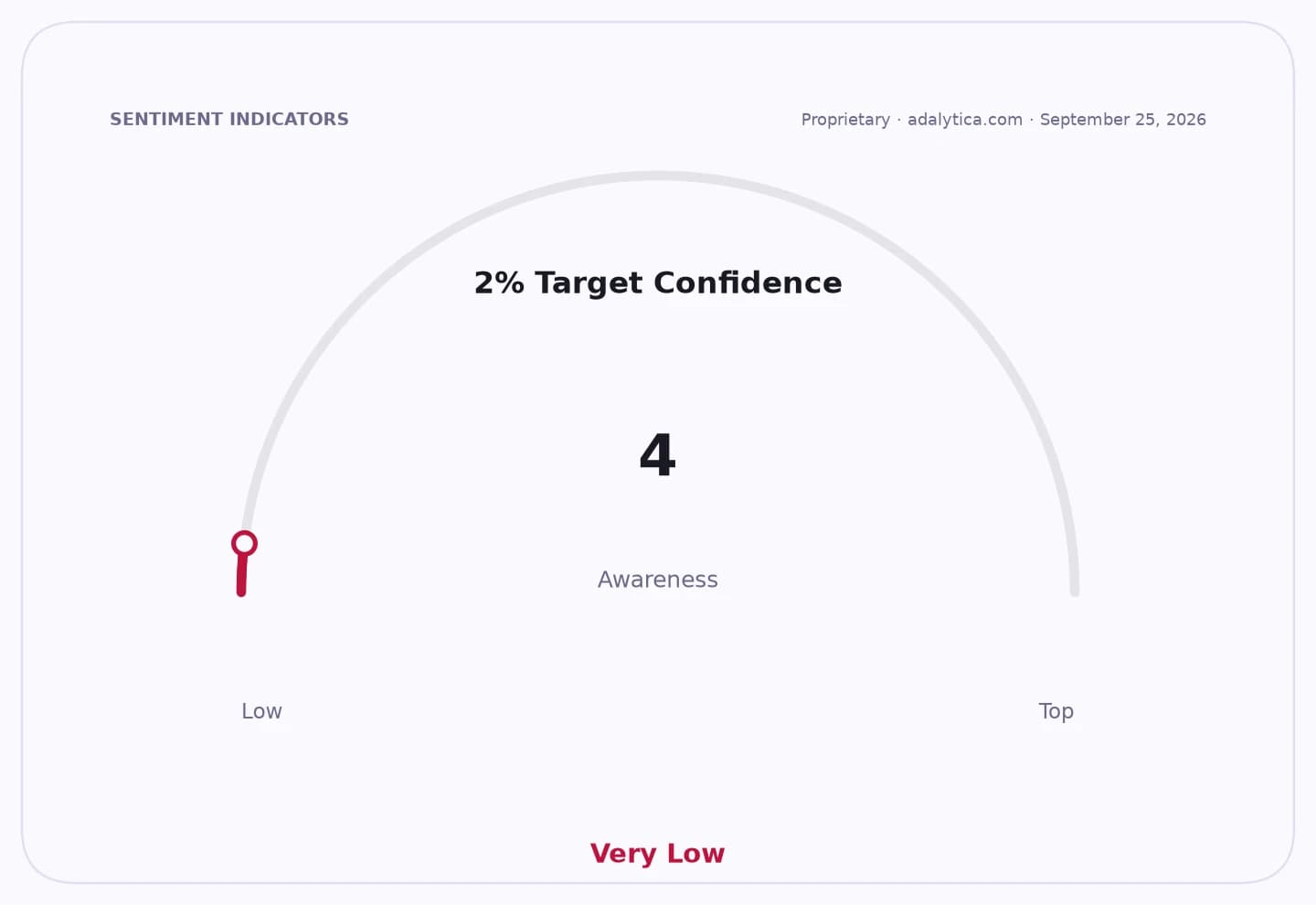
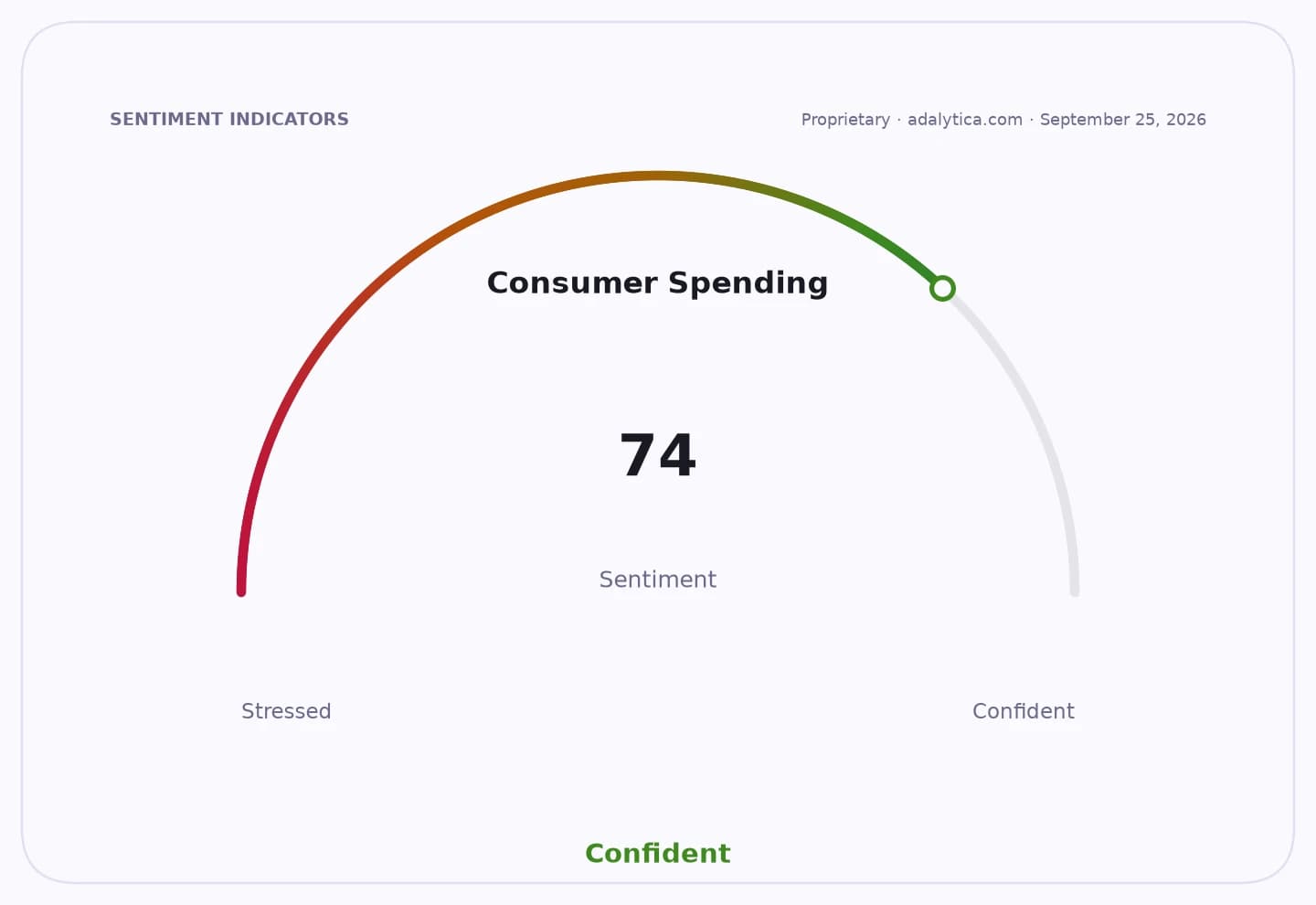
Sentiment IndicatorsⓘProprietary · adalytica.com · August 25, 2026
This is a snapshot — live sentiment, awareness and momentum for 130+ markets update continuously in the dashboard.Open AlphaPulse

The warning also comes as the broader policy mix remains sensitive to interest rates. Ten-year US Treasury yields are around 4.7%, underscoring how elevated borrowing costs remain across global markets, while the euro trades near $1.17 and has been moving in a relatively tight range. For Ireland, that means fiscal excess could run against tighter monetary conditions rather than offset them, raising the risk of a pro-cyclical budget that amplifies price pressures instead of cushioning them.
For investors, the immediate implication is less about one budget line item than about the stance of Irish policy toward growth and inflation. A restrained package would be more supportive of bond-market credibility and help limit upside pressure on domestic prices. A larger package, by contrast, could be read as a willingness to lean into spending despite a still-resilient economy, which would matter for sovereign debt investors, domestic rate expectations and sectors exposed to consumer demand.
The Council’s message fits a broader post-pandemic pattern in which governments face pressure to keep supporting households while central banks try to keep inflation anchored. In Ireland’s case, the fiscal debate now hinges on whether policymakers treat the budget as insurance against slowdown or as a tool to manage an economy that, by the watchdog’s own assessment, does not currently need extra push.
That makes the coming budget a test of political judgment as much as economics: hold back, and the government preserves policy space and inflation credibility; spend too freely, and it risks stoking exactly the kind of price pressures that are hardest for markets and households to absorb.
| Entity | Gains | Losses |
|---|---|---|
| Irish government | ▲More fiscal credibility | ▼Less room for populist spending |
| Bond investors | ▲Lower inflation risk | ▼Higher issuance if package grows |
| Households | ▲Less price pressure | ▼Smaller near-term transfers |
| Domestic retailers | ▲Stable demand | ▼Weaker stimulus-driven sales |