Ireland’s health service has blown through its agency staffing budget by more than €250 million in the first eight months of the year, a cost overrun that is worsening a wider HSE deficit and underscoring how hard it has become to contain public health spending as demand climbs and staffing shortages persist.
Ireland HSE agency staff costs exceed budget by €250M
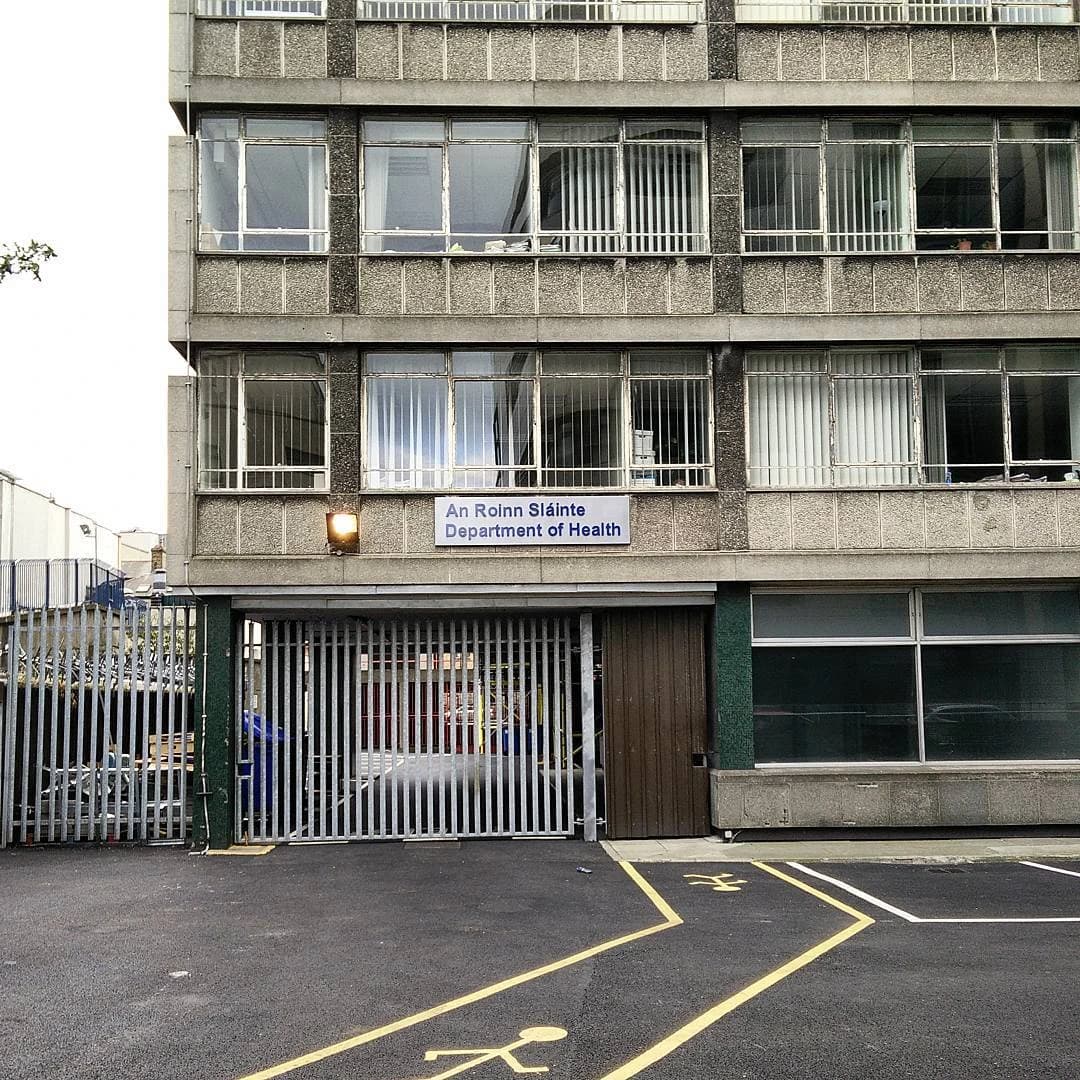
An internal HSE report dated Sept. 25 shows agency staff costs reached €522 million by end-August, against a budget of €272 million for the period. The gap matters because agency workers are significantly more expensive than directly hired staff: the HSE told lawmakers in September that an agency employee can cost about 40% more than a conventionally recruited worker.
Sentiment IndicatorsⓘProprietary · adalytica.com · October 21, 2026
This is a snapshot — live sentiment, awareness and momentum for 130+ markets update continuously in the dashboard.Open AlphaPulse
That premium is feeding directly into the health service’s finances at a time when other budget lines are also under strain. The report shows the HSE’s overall deficit was just under €660 million at the end of August, driven by a €172.5 million pay overspend, a €423.6 million shortfall on non-pay spending and an income deficit of €63.2 million. Within government, there are now concerns the full-year gap could approach €1 billion.
The spending pattern points to a structural problem rather than a one-off miss. Agency labour is often used to fill rota gaps in hospitals, emergency departments and other acute settings where the cost of understaffing is immediate and politically sensitive. But relying on temporary workers also locks in higher unit costs, making it harder for the HSE to stay within plan even if headline staffing levels rise. In other words, more people are being employed, but not in the cheapest or most sustainable way.
The report also highlights a second pressure point: income is running below plan after Sláintecare reforms limited private practice in public hospitals for consultants on public-only contracts. The HSE says expected income from private consultant activity is €99 million behind budget year to date and about €91 million lower than the same period in 2025. That leaves the service absorbing more cost while collecting less offsetting income.
At the same time, patient demand is still outrunning assumptions built into the national service plan. More than 1.1 million people attended emergency departments by August, 7.2% more than a year earlier and 4.7% above plan. Surge capacity meant to keep patients off trolleys was also used more heavily than expected, with incremental costs estimated at €27 million above last year.
For investors, the immediate read-through is limited but not irrelevant. The direct impact is on Ireland’s fiscal outlook and the credibility of spending controls in a large public-sector system, not on a listed company. But the broader message is familiar across healthcare markets: when workforce shortages meet rising demand, temporary labour costs escalate first, and margins or budgets weaken next. That dynamic can affect private hospital operators, staffing agencies and suppliers if the state tries to clamp down on agency use or redesign contracts.
The next test is whether the HSE can slow the pace of agency dependence without worsening service delivery. If it cannot, the cost overrun is likely to remain one of the clearest examples of how labour market tightness is bleeding into public finances.
| Entity | Gains | Losses |
|---|---|---|
| Agency staff providers | ▲Higher revenue | ▼Budget scrutiny |
| HSE hospitals | ▲Immediate rota coverage | ▼Cost control |
| Irish government | ▲None | ▼Fiscal headroom |
| Patients and service users | ▲More service continuity | ▼Longer-term funding pressure |