Steel and iron ore prices climbed on Sept. 4 as shipping costs rose to their highest level in nearly five years, tightening supply expectations ahead of China’s holiday season and giving mills and traders a near-term lift.
Iron ore rises as freight costs hit five-year high
The move matters because freight is now doing part of the work usually done by stronger end-user demand: higher sea transport costs raise delivered raw-material prices, support port inventories and make it more expensive to move ore into China. That can keep benchmark iron ore firm even when finished-steel demand remains patchy, reinforcing margins for miners and traders while pressuring steelmakers that are already operating on thin profits.
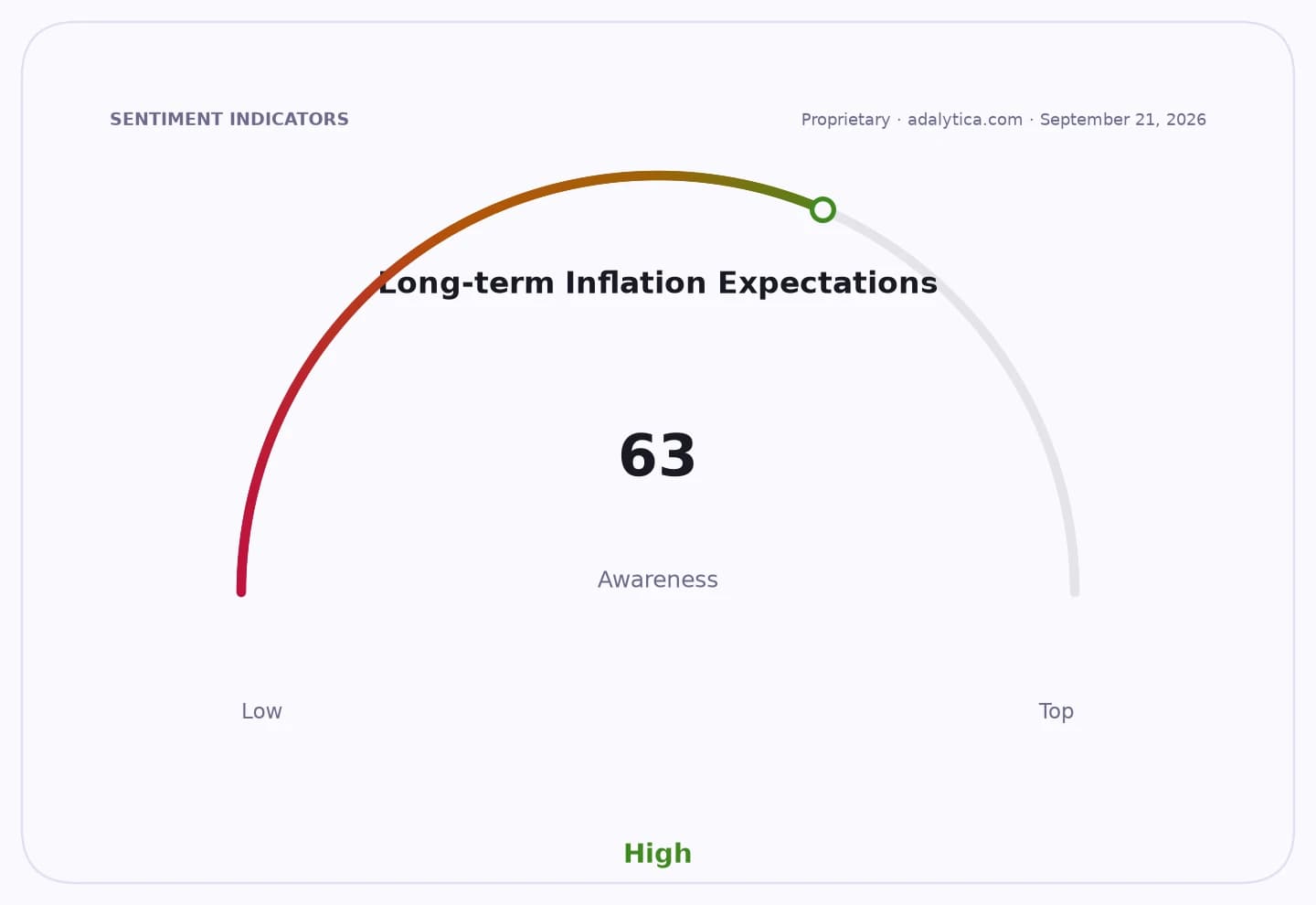
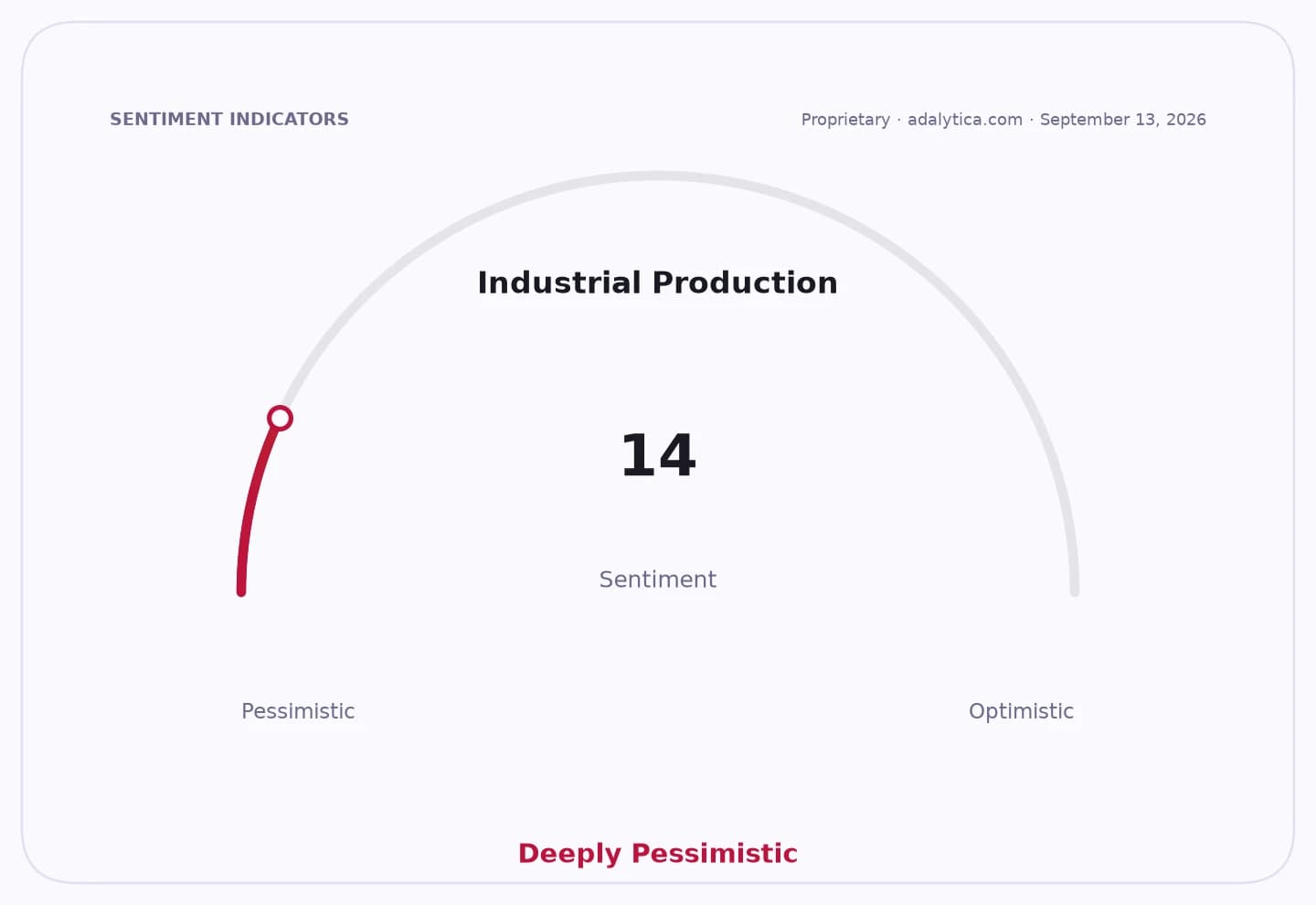
Sentiment IndicatorsⓘProprietary · adalytica.com · September 5, 2026
This is a snapshot — live sentiment, awareness and momentum for 130+ markets update continuously in the dashboard.Open AlphaPulse
On the Shanghai Futures Exchange, October 2026 rebar rose 0.58% to 3,102 yuan a tonne, while iron ore futures advanced on both the Dalian Commodity Exchange and the Singapore Exchange, reaching 738 yuan a tonne and $99.50 a tonne, respectively. Iron ore was also trading around 730 yuan a tonne during the session, positioning it for a second straight weekly gain.
The immediate catalyst was the Baltic Dry Index, which jumped 4.7% on Sept. 3 to 3,488, the highest in almost five years. Capesize rates, the key gauge for large bulk carriers that haul iron ore, surged 7.1% to 6,042. Bad weather, higher fuel costs and increased transshipment from Guinea helped push freight higher, while declining iron ore inventories at major Chinese ports added support.
For investors, the setup creates a split between the winners and the vulnerable. Iron ore producers and shipping companies benefit from stronger freight and commodity pricing, while steel mills face a narrower spread if raw-material costs rise faster than finished steel prices. That risk is especially relevant in China, where subdued steel consumption and weak mill profitability could cap further gains in ore and rebar.
The domestic picture in Vietnam remained calmer, with local rebar prices held steady by producers including Hoa Phat, Viet Y and Pomina. That stability suggests the global rally is still being driven more by imported raw-material dynamics than by a broad-based surge in construction demand.
The key question now is whether pre-holiday stocking in China can sustain the rally or whether margin pressure at mills forces restocking to slow. If freight stays elevated and port inventories keep falling, iron ore should remain supported; if steel demand disappoints, the upside may prove limited.
| Entity | Gains | Losses |
|---|---|---|
| Iron ore miners | ▲Higher realized prices | ▼— |
| Shipping companies | ▲Stronger freight rates | ▼Shippers facing higher costs |
| Steel mills | ▲— | ▼Margin compression |
| Steel traders | ▲Short-term price support | ▼Risk of demand slowdown |