Iron ore’s recent strength is looking increasingly vulnerable, with the market still supported by supply constraints but struggling to find a new catalyst that would justify a sustained move higher.
Iron Ore Prices Face Limited Upside
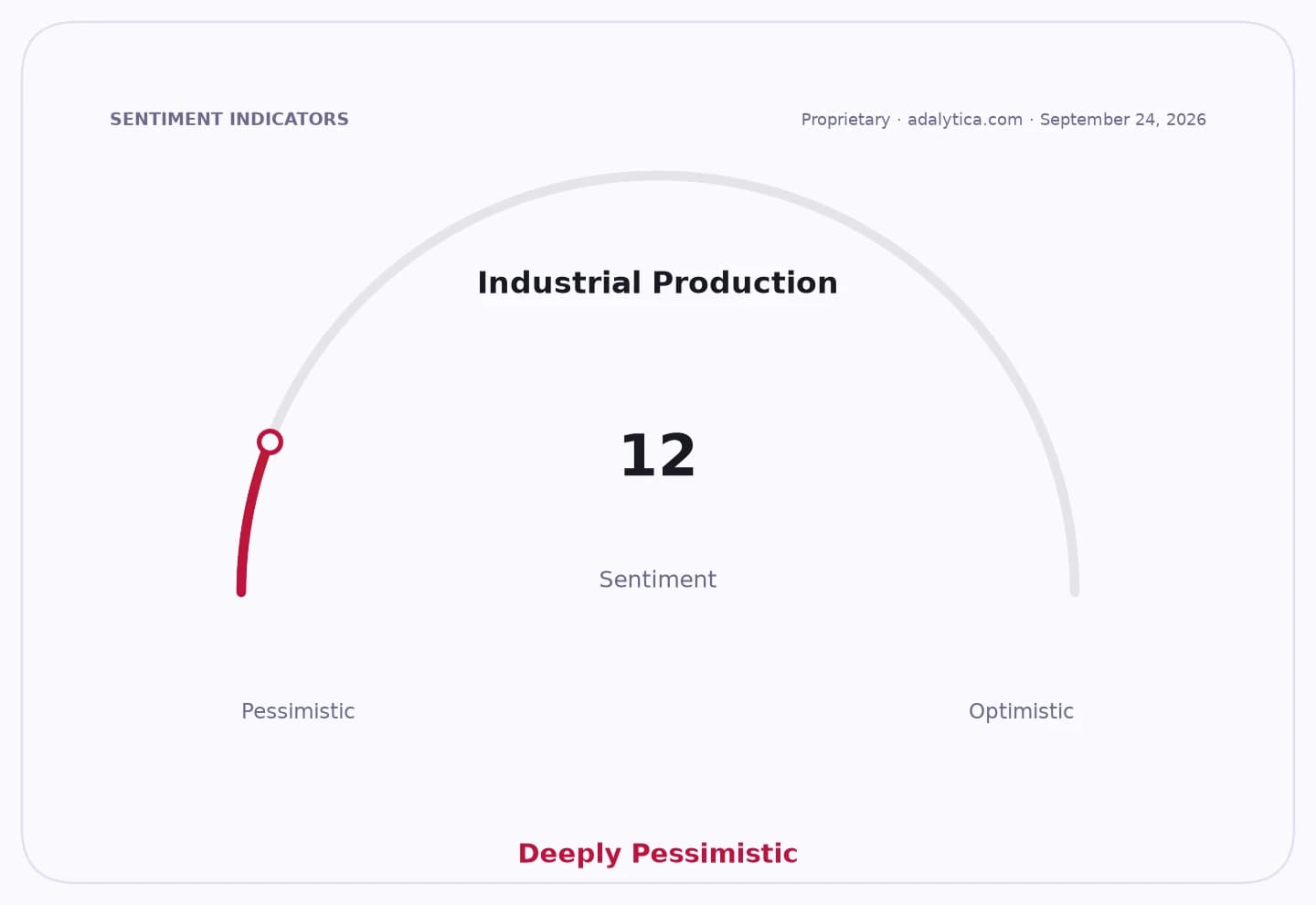
That matters because iron ore remains a key profit driver for the world’s biggest miners and a leading indicator for China’s steel cycle. The latest signs point to a market that is still firm enough to keep producers comfortable, but not strong enough to reset the pricing range. Brent crude’s climb back to about $86.74 a barrel and the broader rebound in industrial activity have helped keep commodities underpinned, yet industrial production in the US and factory-gate prices are only rising modestly, suggesting the global demand backdrop is not especially robust.
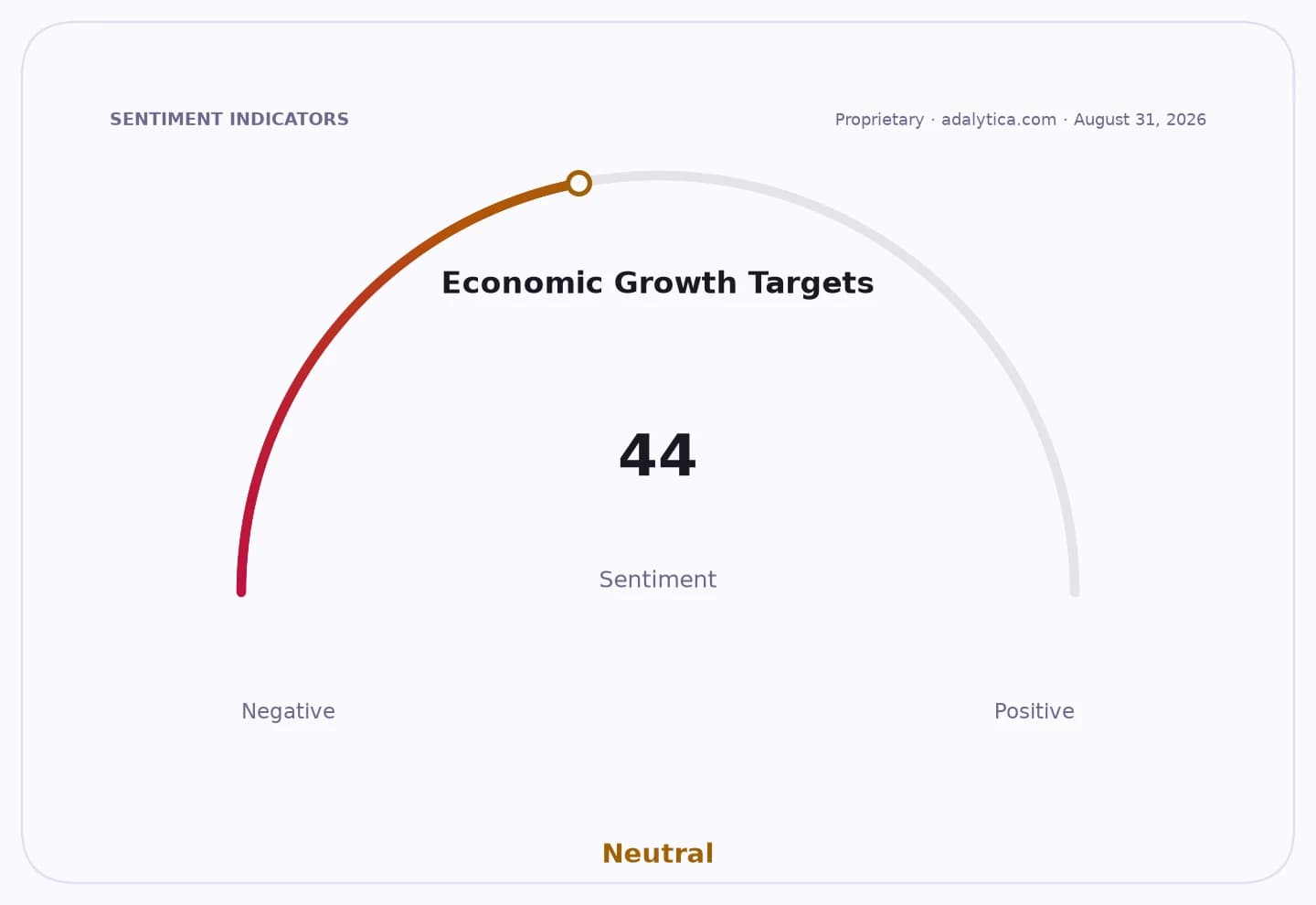
Sentiment IndicatorsⓘProprietary · adalytica.com · August 24, 2026
This is a snapshot — live sentiment, awareness and momentum for 130+ markets update continuously in the dashboard.Open AlphaPulse
For iron ore specifically, the tension is between resilient seaborne demand and softening structural growth in China. BHP’s latest filings said Chinese iron ore demand remains resilient and seaborne net imports rose 6% annualised in the second half of fiscal 2026, a reminder that mills are still buying. But that has not translated into a clear upside breakout. Chinese growth sentiment has eased in the latest Adalytica snapshot even after a recent jump, while PMI recession sentiment remains elevated, underscoring that the market is still leaning on policy support rather than organic industrial momentum. A stronger yuan would usually help commodity sentiment, but the currency’s trade signals have turned more neutral after a sharp swing in recent days.
The equity reaction tells the same story. Rio Tinto, BHP and Vale have all rallied sharply, but the move has been driven more by balance-sheet leverage to still-firm commodity prices than by confidence in a durable iron ore bull run. Rio has climbed to $105.30 and BHP to $97.03, both well above their 50-day moving averages, while Vale’s recent recovery to $14.59 still leaves it only slightly above its 200-day average. Technicals show momentum has improved, but not enough to suggest a fresh leg of fundamental re-rating. In other words, the market has already priced in a good deal of the recovery.
Investors are also watching the policy and supply side. Reports of Singapore police investigating iron ore trader Radiant World have added scrutiny to a market already sensitive to manipulation risks and opaque flows. At the same time, the industry is debating whether producers should try to coordinate more explicitly to counter China’s pricing power, even as efforts to boost domestic supply in places such as India may gradually reduce import dependence over time. Those shifts argue for less volatility over the long run, but not necessarily higher prices in the near term.
For miners, the bear case is simple: if Chinese steel demand fails to improve meaningfully and imports merely stay stable, iron ore prices may plateau rather than extend higher, limiting margin expansion. The bull case is that constrained supply and policy-driven Chinese restocking can keep prices elevated for longer than the market expects. But for now, the balance of evidence supports a capped upside, with fundamentals still under pressure and the market lacking a clear reason to re-rate the commodity materially higher.
| Entity | Gains | Losses |
|---|---|---|
| Iron ore miners | ▲Stable cash flow | ▼Limited price upside |
| Chinese steel mills | ▲Lower input risk | ▼Persistent policy dependence |
| Long-only commodity investors | ▲Near-term momentum | ▼Breakout potential |
| Short sellers | ▲Capped rally setup | ▼Supply-driven squeeze risk |