Israelis kept spending at a brisk pace in October even as the pace cooled from September’s record, underscoring resilient household demand and the economy’s continued reliance on card-based payments.
Israel card spending rose 12.5% in October
Total spending on debit and credit cards reached NIS 51.6 billion, up 12.5% from a year earlier, according to SHVA, which runs Israel’s credit-card payment systems and ATM networks. But average daily outlays slipped 6.2% from September to about NIS 1.66 billion, suggesting the month lost some momentum after four straight months above NIS 1.7 billion a day.
Sentiment Indicators
The biggest driver remained online commerce. Internet purchases climbed 15.8% from a year earlier to about NIS 29.5 billion, or 57% of all card spending, while average daily online spending fell back below NIS 1 billion to about NIS 952 million after September’s record level.
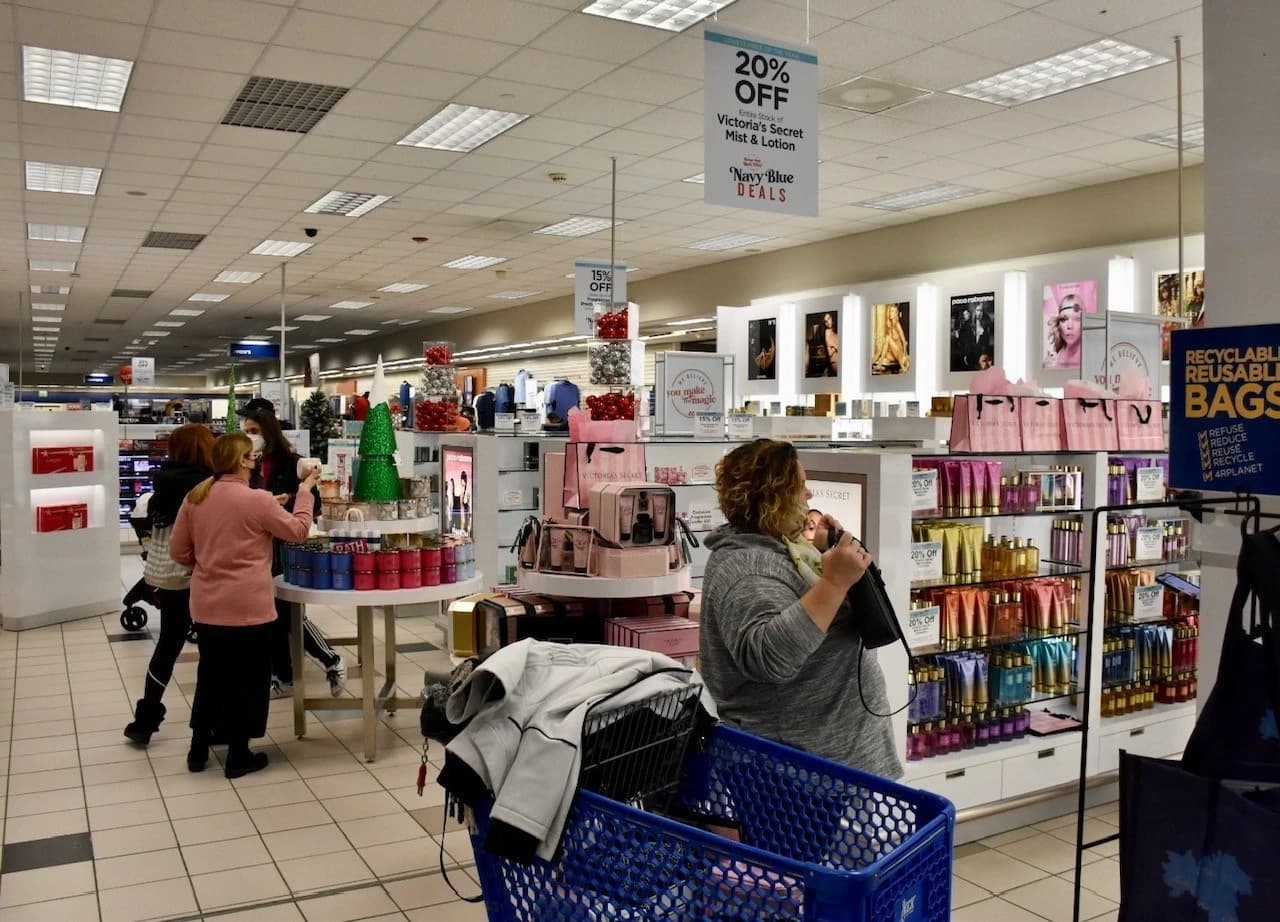
Physical-store spending rose more moderately, to about NIS 22.1 billion, up 8.3% from October last year. Average daily spending in stores eased 4.2% from September to about NIS 712 million, indicating consumers still bought in person but with less intensity than a month earlier.
Cash withdrawals also weakened, falling 4.2% from a year earlier to NIS 5.16 billion. For investors, the data points to a consumer economy that is still expanding, but with signs of normalization after a strong late-summer run — a read-through for Israeli retailers, payment processors and banks tracking transaction volumes and fee income.
The next test will be whether card spending holds near current levels into the year-end shopping period, or whether October marked the start of a broader slowdown in discretionary demand.
| Entity | Gains | Losses |
|---|---|---|
| Israeli retailers | ▲Higher card turnover | ▼Slower daily spending |
| Payment networks and processors | ▲Strong transaction volumes | ▼Commuting from September record |
| Online merchants | ▲57% of card spending | ▼Lower average daily online spend |
| Cash economy | ▲— | ▼Lower ATM withdrawals |