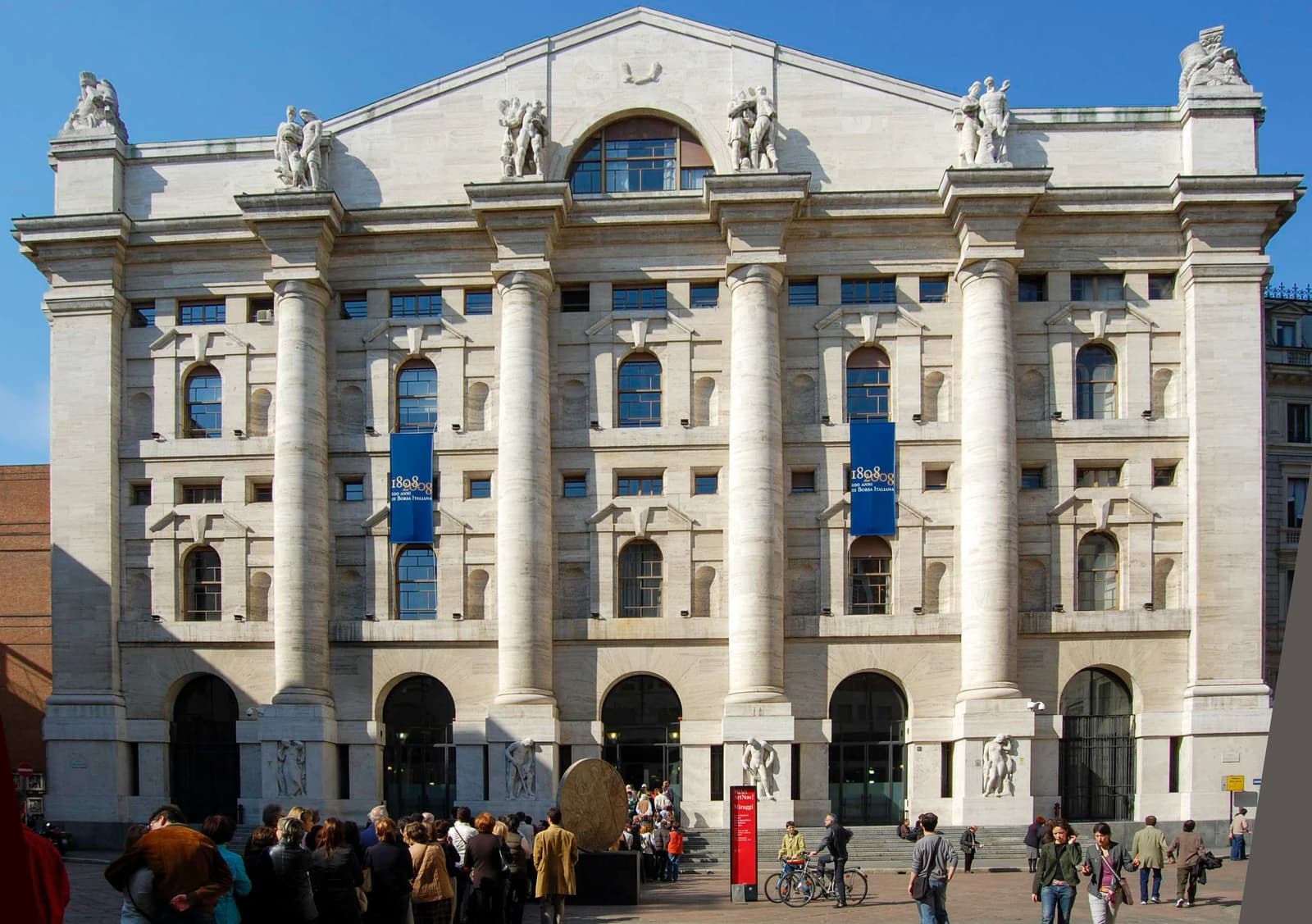
Italy has extended its diesel excise duty discount by another day, a stopgap that underscores how stubborn fuel inflation has become and why Rome is pushing Brussels for coordinated intervention on what it calls excess profits in the energy market.
Italy extends diesel tax cut to Aug. 26
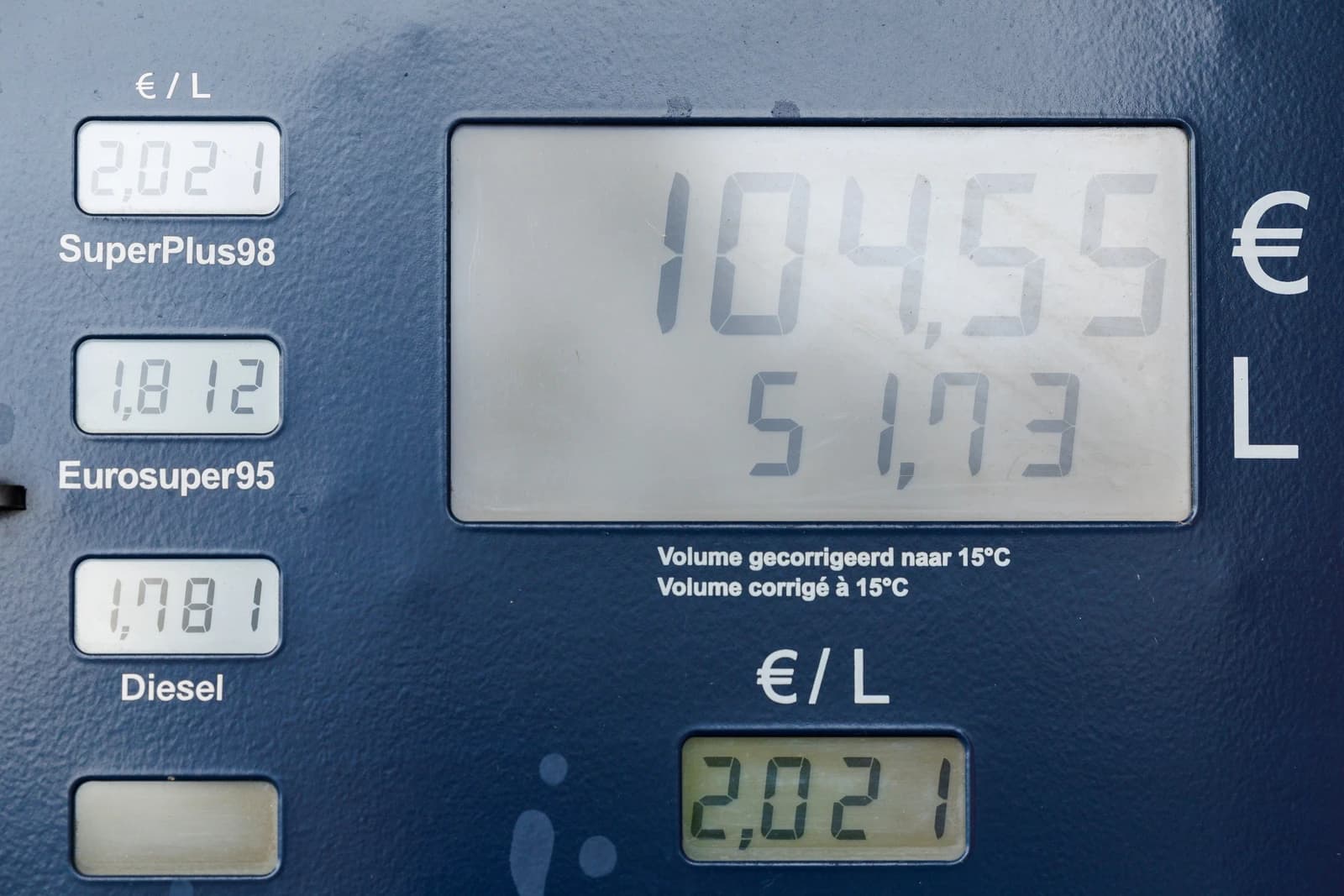
The decision keeps a 17-cent-per-liter reduction in place until Aug. 26, offering temporary relief to households and transport operators as diesel prices remain above 2.20 euros a liter and have topped 3.10 euros at some highway locations. Economically, that matters because fuel is one of the fastest channels through which oil-price shocks feed into consumer inflation, freight costs and wider business margins. A prolonged period of elevated pump prices can quickly erode real incomes and add pressure to already fragile demand.
Sentiment IndicatorsⓘProprietary · adalytica.com · August 25, 2026
This is a snapshot — live sentiment, awareness and momentum for 130+ markets update continuously in the dashboard.Open AlphaPulse
The extension also highlights the limits of national policy in a market shaped by global crude prices and refinery dynamics. Oil futures have retreated from earlier peaks, with Brent around $87.91 a barrel and WTI near $82.32 on the latest trading day, but retail prices in Europe remain elevated relative to the commodity move because of taxes, logistics and local supply constraints. That disconnect is politically sensitive: governments can blunt the pain at the pump, but they cannot fully offset the structure of the market without either fiscal costs or broader EU coordination.
For investors, the key question is whether the Italian move becomes a template for more intervention across Europe or a one-off bridge to a new tax deadline. A longer subsidy would support fuel demand in the short term and ease pressure on trucking, agriculture and consumer spending, but it would also widen fiscal burdens. Conversely, any rollback would leave consumers exposed to another inflationary spike just as officials are trying to keep headline prices contained. Adalytica’s CPI sentiment gauge remains neutral, but the broader backdrop is still one of persistent price sensitivity, with fuel a visible irritant for voters and policymakers alike.
Energy producers and refiners are caught in the middle. Higher retail prices have supported upstream and refining margins, while governments are under pressure to capture part of those gains. Exxon Mobil shares were little changed in recent trading, but the company’s recent filing noted that global refining margins remained sharply above long-term averages, a reminder that policy pressure will likely remain aimed at the sector even if crude itself eases.
The broader narrative is one of Europe moving from emergency fuel relief toward a longer fight over how to share the windfall from energy markets. Until that is resolved, excise discounts are likely to remain a recurring political tool — and a signal that governments still see energy costs as a direct threat to growth, inflation and household stability.
| Entity | Gains | Losses |
|---|---|---|
| Consumers and haulers | ▲Short-term fuel relief | ▼Fiscal uncertainty later |
| Italian government | ▲Buys political time | ▼Higher budget strain |
| Oil refiners and producers | ▲Elevated margin capture | ▼Risk of windfall taxes |
| EU policymakers | ▲Pressure for coordination | ▼Exposure to political blame |