Italy’s flagship energy-relief decree is still largely stuck in implementation, leaving households and companies paying some of Europe’s highest wholesale gas and power prices just as a new winter squeeze looms.
Italy Energy Relief Decree Stalls Ahead of Winter
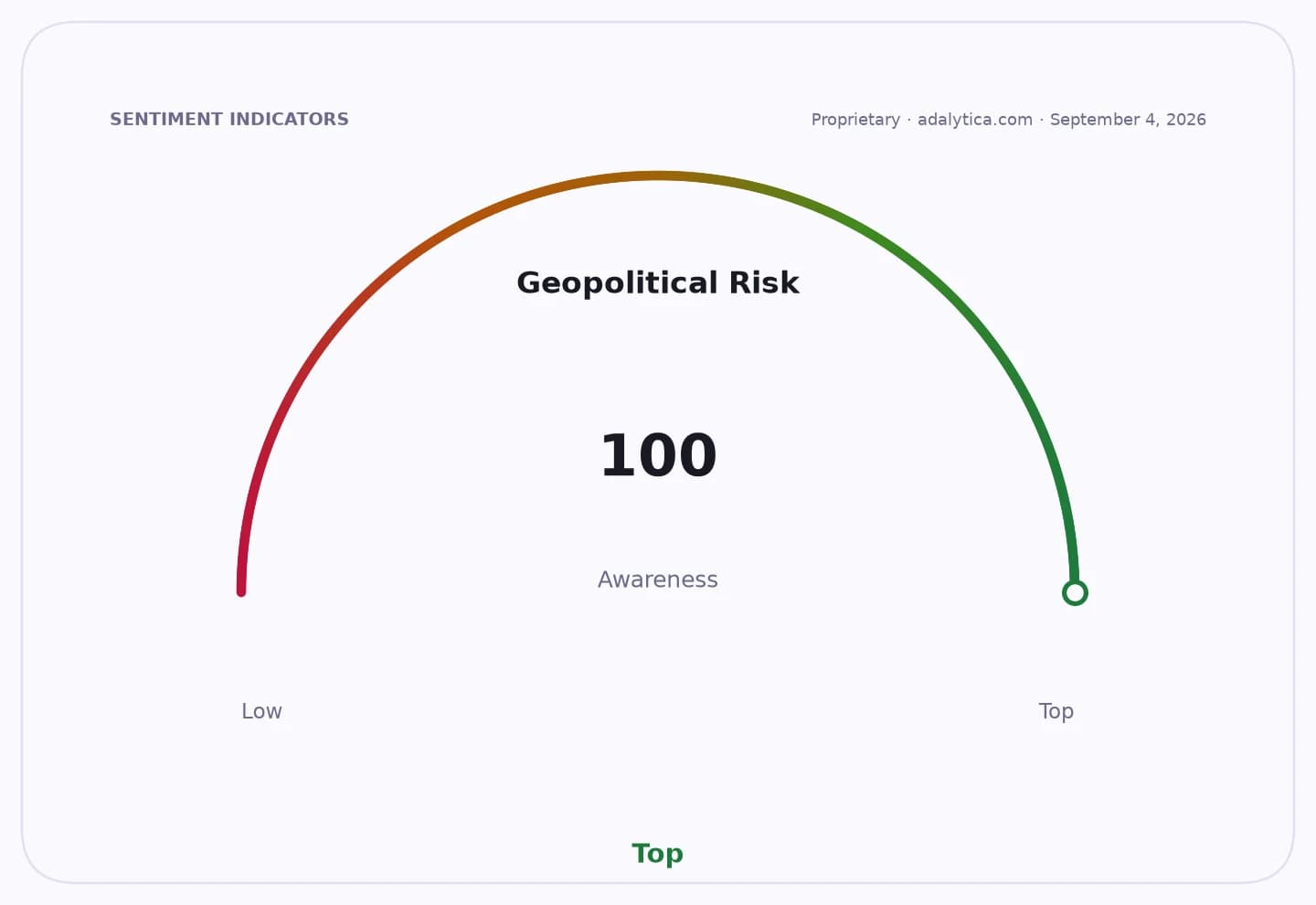
The gap matters because the government sold the Bollette decree as a structural fix worth as much as 5 billion euros in savings, but only the one-off 115-euro payment for vulnerable households and small cuts to system charges have made it through. The bigger measures were meant to reduce a competitiveness handicap that has long made Italian industry more expensive to run than peers in France, Germany or Spain.
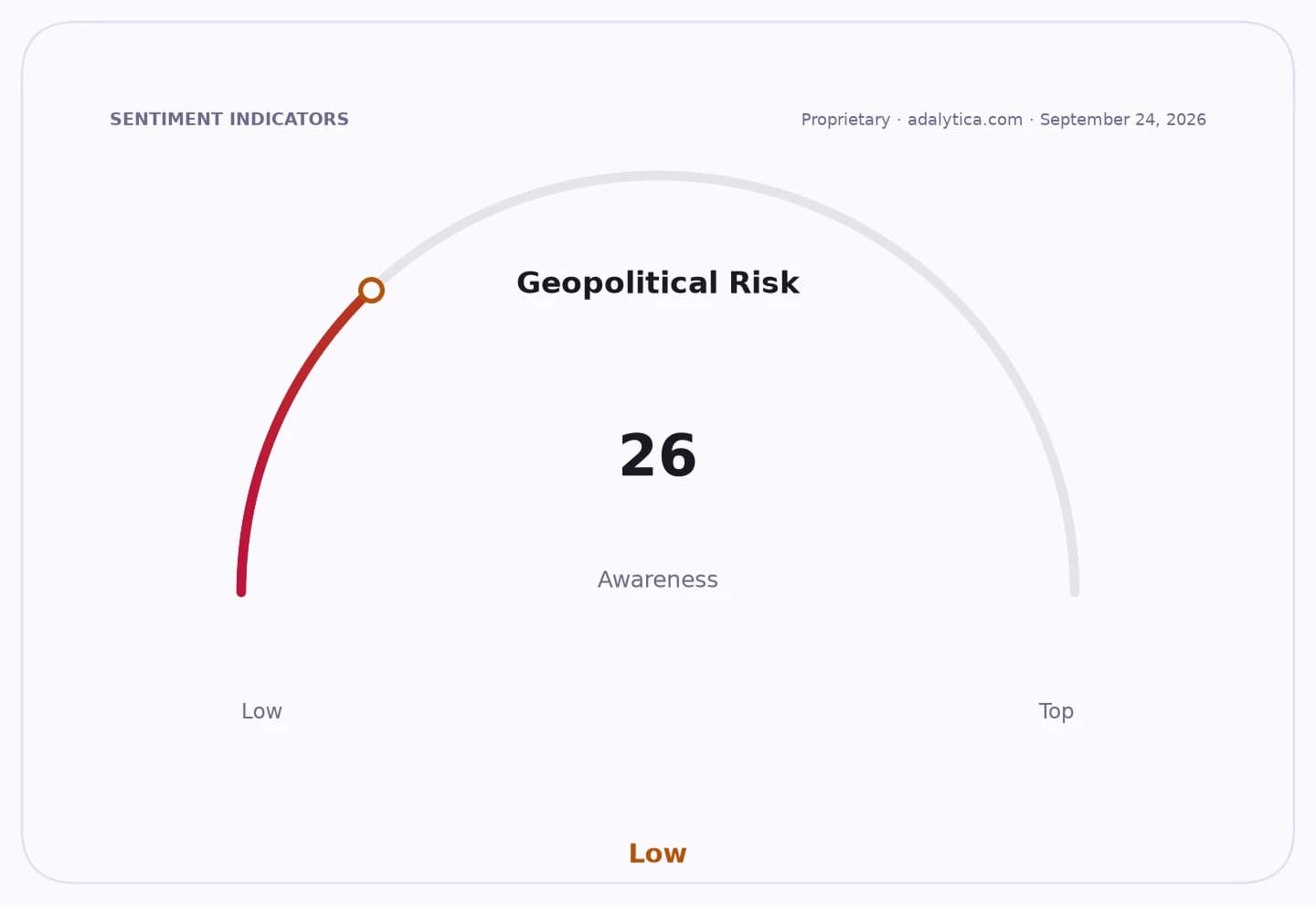
Sentiment IndicatorsⓘProprietary · adalytica.com · September 4, 2026
This is a snapshot — live sentiment, awareness and momentum for 130+ markets update continuously in the dashboard.Open AlphaPulse
In gas, the plan was to erase Italy’s premium over the Dutch TTF benchmark by trimming the extra cost paid on the PSV market, typically about 3 euros per megawatt hour and sometimes more than 4 euros. That mechanism has not started. After a public consultation by regulator Arera drew objections from European traders over market distortions, and with Brussels not formally backing the idea, a launch in October now looks difficult.
Electricity is in the same bind. Rome wanted to lower power prices by discounting ETS carbon costs for gas-fired plants and then recovering them in bills later, but the European Commission has effectively blocked that route, saying the ETS mechanism cannot be touched in the current state-aid framework tied to Middle East energy shocks. Arera is now consulting on a narrower gas-price cap-style solution, but that would still need a legal change and a fresh political deal with Brussels.
That leaves Italy exposed as European gas prices have jumped above 70 euros per megawatt hour in Amsterdam and oil has climbed back above $91 a barrel, reinforcing pressure on electricity generation costs. The country’s persistent lag in renewable build-out makes the problem worse because Italian power prices remain closely linked to gas, unlike in markets with deeper clean-energy penetration.
For investors, the message is that the country’s industrial cost base is not improving fast enough to matter. Energy-intensive sectors have been pressing for relief, but the delay keeps margin pressure alive for manufacturers and raises the risk of a weaker winter for demand, consumption and corporate earnings.
The next catalyst is another decree aimed at cutting red tape for renewables. Unless that unlocks faster investment, Italy is likely to keep paying a premium for energy at exactly the time it can least afford it.
| Entity | Gains | Losses |
|---|---|---|
| Italian households | ▲One-off cash support | ▼High utility bills |
| Energy-intensive industries | ▲Prospective relief on paper | ▼Competitiveness and margins |
| Renewable developers | ▲Faster permitting if reforms pass | ▼Delays from red tape |
| Brussels/EU traders | ▲Market rules preserved | ▼Italy’s national pricing fix |