Italy’s dependence on imported steel and strategic industrial inputs could deepen if Ilva loses its blast furnaces, with economists warning that a switch to electric-arc production would be slower, costlier and less certain than policymakers hope.
Ilva blast furnace loss could raise Italy steel imports
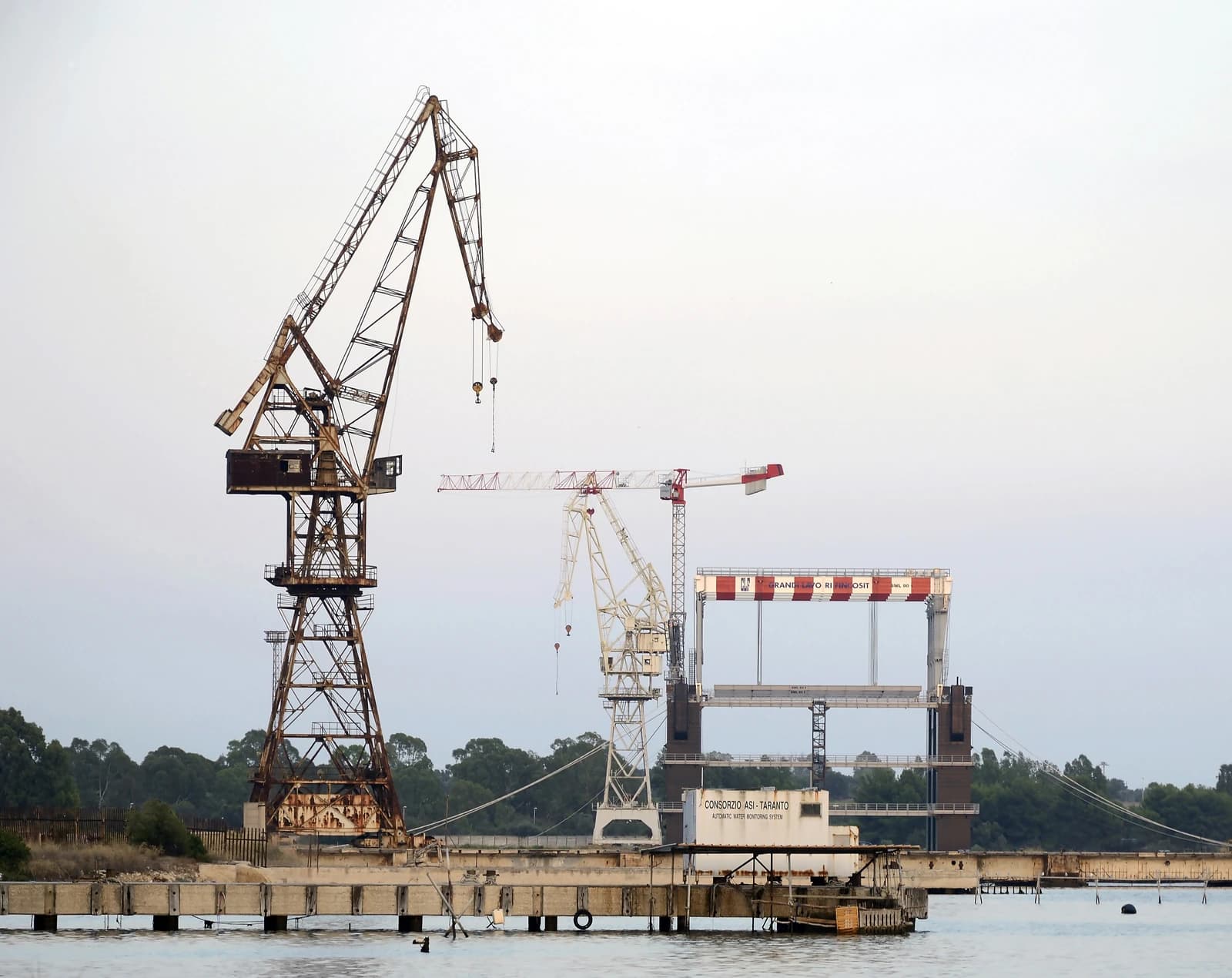
That is the core warning from Bocconi professor Andrea Colli, who says preserving at least part of Ilva’s primary steel output matters not just for Taranto’s jobs, but for Italy’s industrial autonomy. Without domestic blast-furnace production, Italy would rely more heavily on foreign suppliers at a time when trade restrictions, energy shocks and supply-chain disruptions have made industrial materials a geopolitical lever.
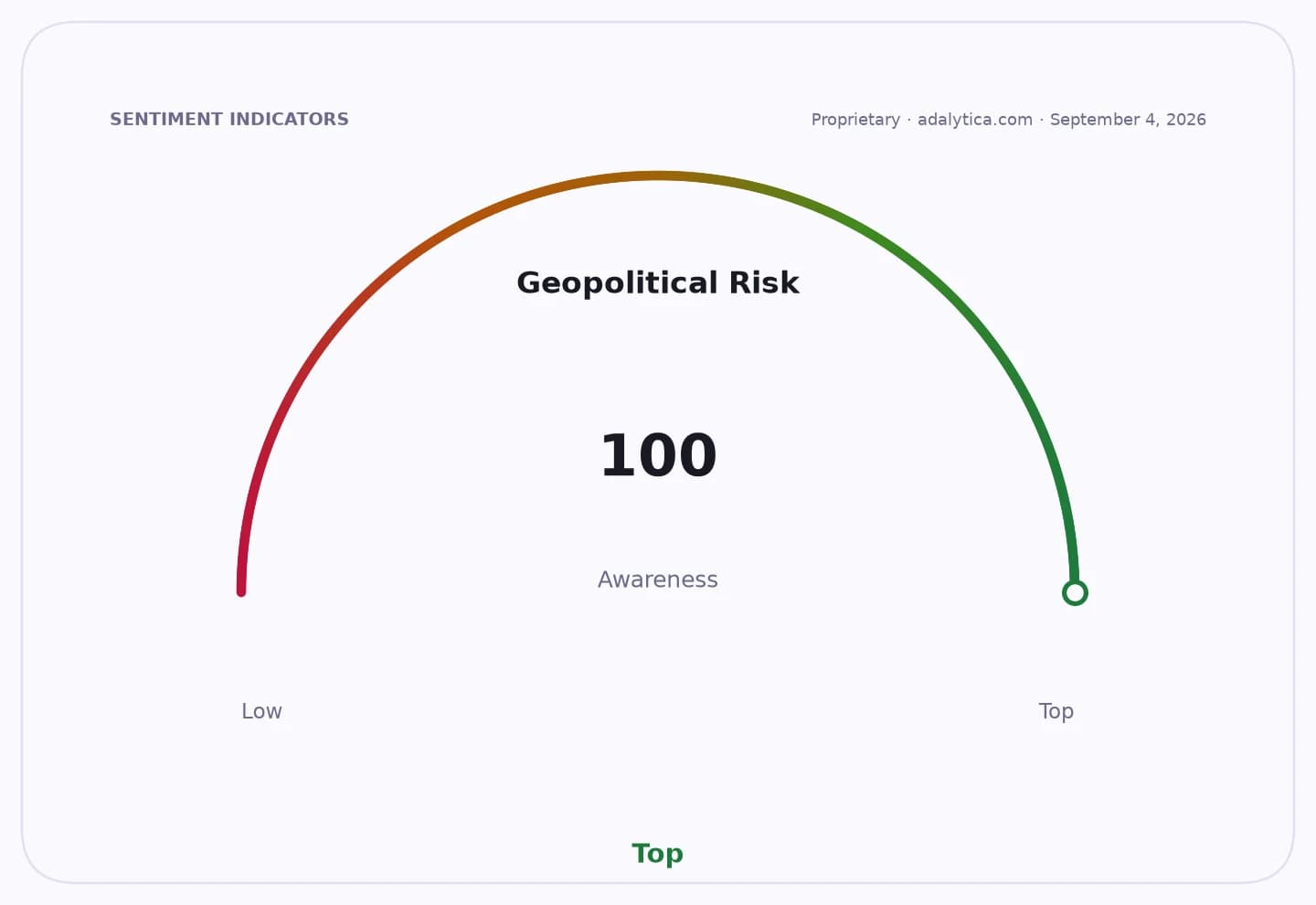
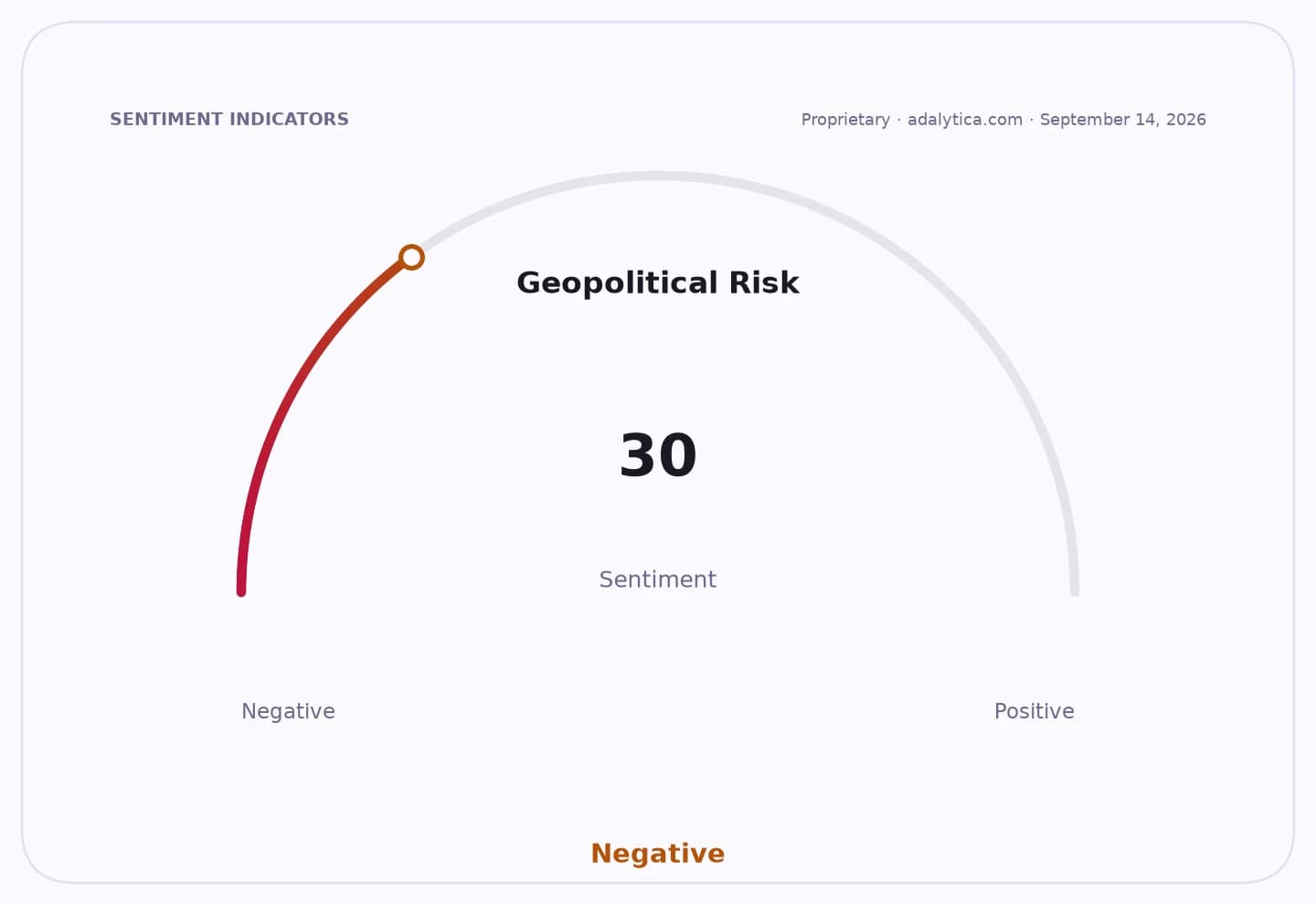
Sentiment IndicatorsⓘProprietary · adalytica.com · September 9, 2026
This is a snapshot — live sentiment, awareness and momentum for 130+ markets update continuously in the dashboard.Open AlphaPulse
Colli told reporters that the tribunal order makes it hard to avoid closure, even if the goal is to keep some primary steelmaking alive. He said conversion to electric furnaces is “costosa, lunga e incerta” — expensive, lengthy and uncertain — underscoring the investment burden on any buyer or state-backed operator taking over the site.
The economic stakes extend well beyond a single plant. Primary steel is a foundational input for construction, machinery, automotive and infrastructure, so any shrinkage in domestic capacity can feed through to higher import dependence, tighter supply and weaker pricing power for Italian industry. That matters for a country already balancing industrial competitiveness against energy costs and a fragile manufacturing base.
For investors, the issue is less about near-term steel prices than about capital intensity, policy risk and the possibility of a prolonged restructuring. Any plan to replace blast furnaces with electric ones would likely require heavy spending, a lengthy permitting and construction timeline, and a dependable supply of scrap and cheap electricity — all while production remains vulnerable to legal and political setbacks.
The broader narrative is one of strategic deindustrialization versus costly reinvention. If Italy fails to preserve some primary steelmaking capacity, it risks handing more leverage to external suppliers and exposing one of its most important industrial sectors to geopolitical blackmail, exactly the concern Colli highlights.
The next catalyst is whether authorities, courts and potential investors can agree on a viable transition plan before the plant’s blast-furnace operations are permanently lost.
| Entity | Gains | Losses |
|---|---|---|
| Foreign steel suppliers | ▲More Italian import demand | ▼Less domestic competition |
| Italian manufacturers | ▲Short-term supply continuity if imports fill gap | ▼Higher input dependence |
| Potential Ilva buyers | ▲Chance to rebuild with electric furnaces | ▼Heavy capex and legal risk |
| Italian state | ▲Opportunity to restructure industry | ▼Greater geopolitical vulnerability |