Italy is preparing to push back about 18 billion euros of compensation linked to the Superbonus, a move that would relieve immediate strain on public finances while giving companies more liquidity and breathing room after years of policy-induced distortions in the construction sector.
Italy delays Superbonus compensation payments
The decision, expected at Monday’s cabinet meeting, would be the latest attempt by Prime Minister Giorgia Meloni’s government to contain the fiscal fallout from the home-renovation incentive without abruptly choking off cash flow to firms that built business models around the tax credit. By delaying reimbursement obligations tied to the scheme, Rome can smooth near-term budget outlays, but only by stretching a problem that has already become one of Italy’s most expensive and politically fraught policy legacies.
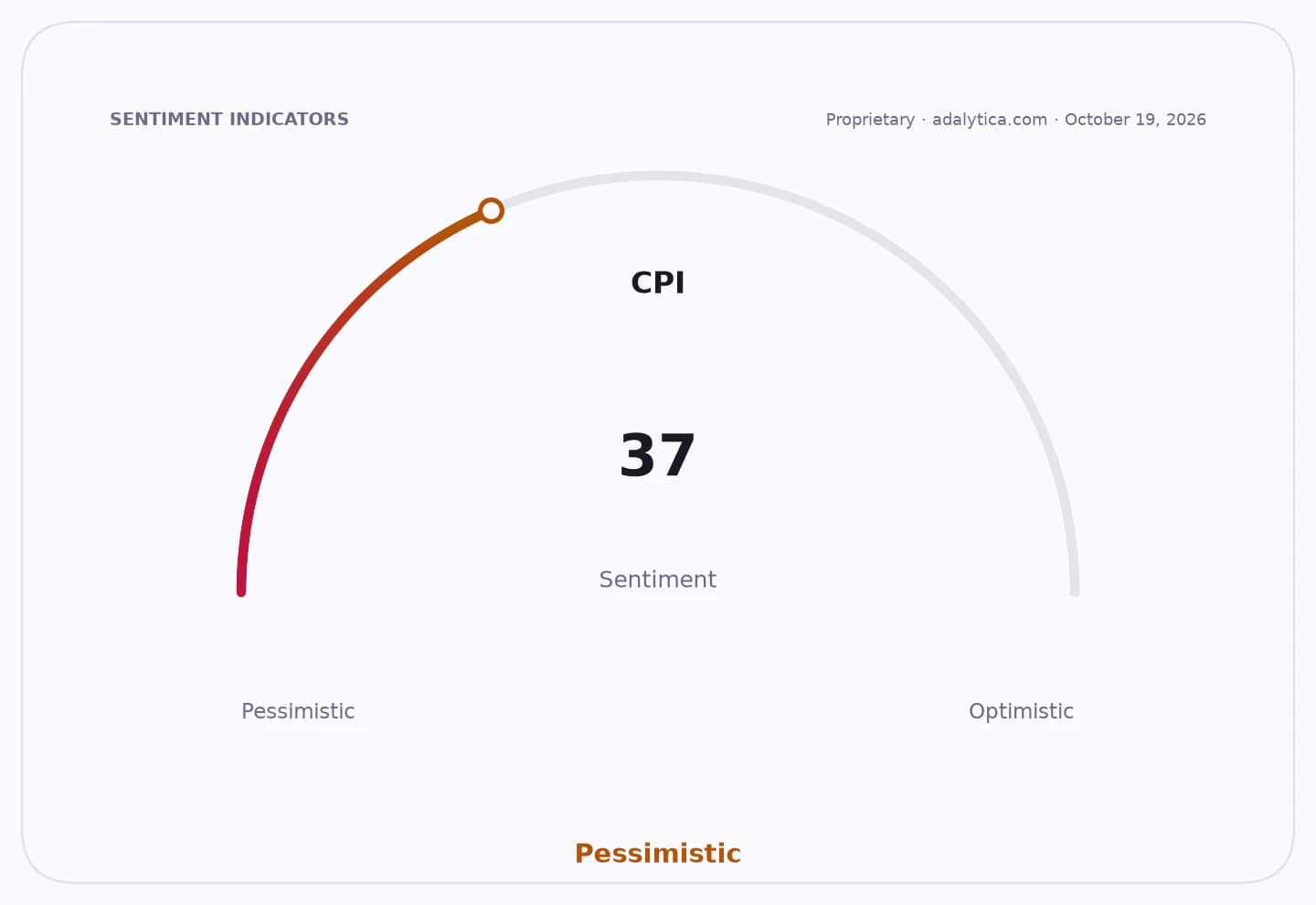
Sentiment Indicators
That matters because the Superbonus was not just a housing subsidy; it became a financing mechanism for builders, installers and suppliers that monetized tax credits, often via banks and intermediaries. Postponing compensation effectively preserves liquidity for companies in the short run, but it also underlines how deeply the programme has tied up cash across the construction supply chain and how difficult it is for the state to unwind the scheme without creating new stress.
For investors, the move is a reminder that Italy’s fiscal adjustment remains vulnerable to one-off policy liabilities. Any reprieve for contractors and credit buyers may support near-term sentiment in construction and related credit exposures, but the broader implication is less benign: the government is signaling that it will manage the burden over time rather than absorb it immediately. That can help Treasury cash balances and reduce near-term issuance pressure, but it also risks prolonging uncertainty over the timing and recoverability of tax credits.
The backdrop is a market that has already become more sensitive to inflation and rates, with U.S. Treasury yields holding near 4.8% and credit spreads steady but not complacent. In that environment, Italy’s willingness to defer a large fiscal obligation may be read as prudent cash management, yet it also speaks to the limits of budget flexibility in a higher-rate world. For holders of Italian assets, the issue is less the immediate accounting treatment than the precedent: when politically popular tax incentives mature into deferred liabilities, governments often choose postponement over recognition.
The Superbonus story is therefore about more than a single Italian construction programme. It is about how policy support can morph into a balance-sheet problem for the state, a working-capital problem for companies and, ultimately, a valuation problem for investors trying to price fiscal discipline in Europe’s third-largest economy.
| Entity | Gains | Losses |
|---|---|---|
| Italian government | ▲Near-term fiscal breathing room | ▼Larger deferred liability |
| Construction companies | ▲Short-term liquidity support | ▼Continued payment uncertainty |
| Banks/credit buyers | ▲Time to manage credit exposure | ▼Prolonged valuation and recovery risk |
| Italian taxpayers | ▲Avoids immediate budget shock | ▼Future fiscal burden |