Italy’s long-running Terra dei Fuochi crisis is moving from reactive patrols to algorithm-driven enforcement, with a new control room, drones and video analytics designed to turn illegal dumping and burning into prosecutable evidence.
Italy Terra dei Fuochi uses AI for waste enforcement
The shift matters because the problem is not just environmental but economic: illegal waste disposal undermines local land values, raises public-health costs, burdens municipalities and slows the cleanup work that has lagged for years. A system that can read license plates, reconstruct vehicle routes and support “deferred flagrante” arrests changes the odds for offenders and gives authorities a better chance of turning surveillance into convictions.
Sentiment Indicators
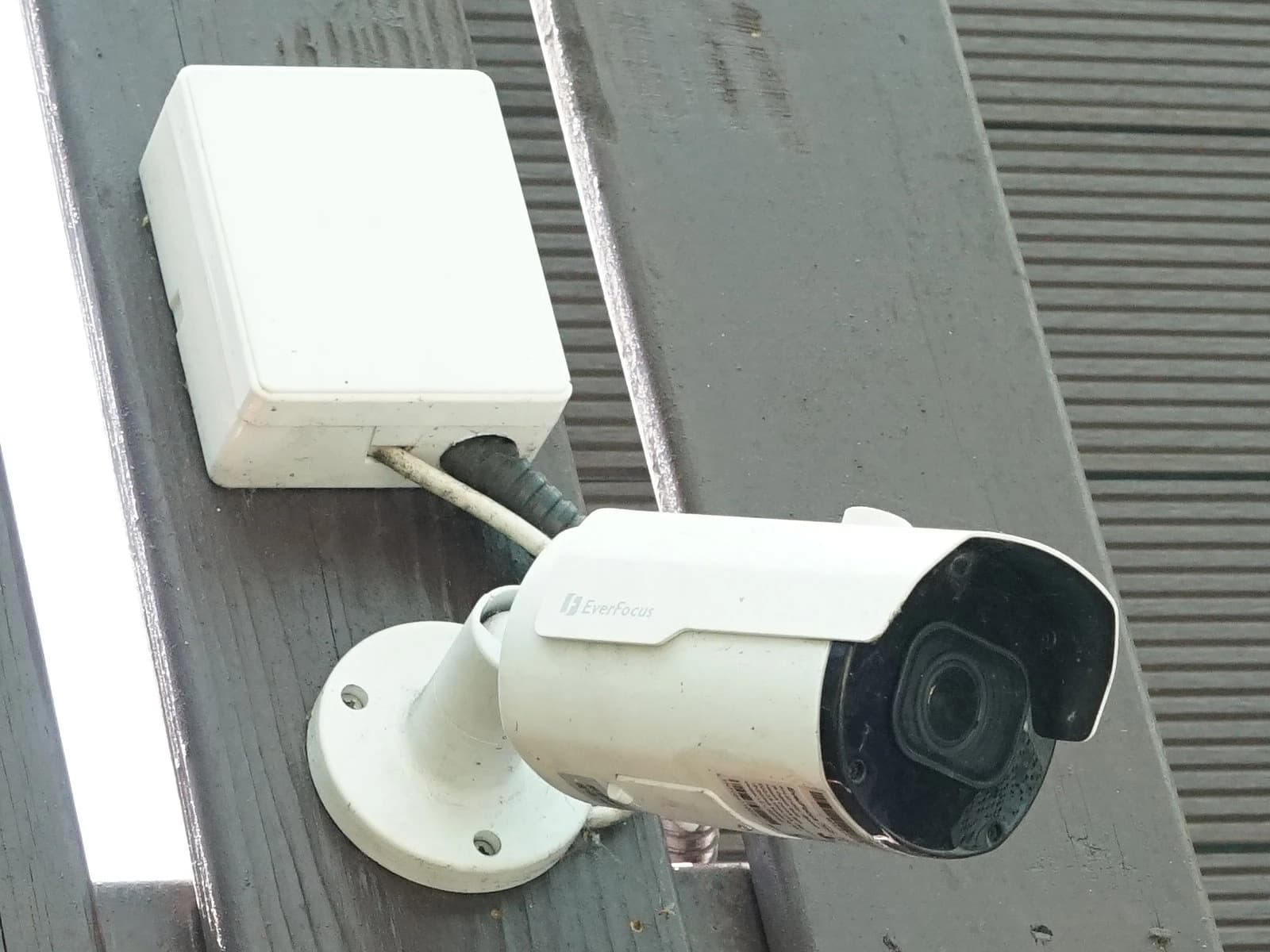
Fabio Ciciliano, the government commissioner, told Il Mattino that the control room, operating since October 2025 in the regional forestry carabinieri command in Naples, is already using cameras and artificial intelligence to identify vehicles and map movements, while procurement has begun for additional drones. He said the video evidence should help trigger arrests even when offenders are not caught in the act, and that faster remediation is also a priority.
For investors, the relevance goes beyond southern Italy. The story sits at the intersection of public safety, environmental remediation and the wider European push to use AI-enabled surveillance in civil enforcement. It points to a deeper market for sensors, analytics, drones and command-and-control software, while also highlighting the limitations of technology if cleanup budgets, court enforcement and interagency coordination do not keep pace.
The visit by Prime Minister Giorgia Meloni underlines the political weight of the issue. For Rome, showing progress in Terra dei Fuochi is a way to demonstrate control over a high-profile governance failure that has persisted for years. If the new system produces more arrests and more reliable evidence, it could strengthen the case for further state spending on remediation and technology-led monitoring.
The bear case is that technology alone will not solve a problem rooted in organized dumping networks, fragmented land ownership and a backlog of contaminated sites. The bull case is that a persistent, data-driven enforcement model can raise the cost of illegal behavior enough to change it, particularly if paired with faster bonifica work and sustained police presence.
What matters now is whether the control room can deliver measurable results: more seizures, more prosecutions and, eventually, cleaner land. If it does, Terra dei Fuochi could become a template for how Italy tackles environmental crime with industrial-scale surveillance rather than sporadic intervention.
| Entity | Gains | Losses |
|---|---|---|
| Italian state / Carabinieri forestali | ▲Stronger enforcement tools | ▼Higher implementation burden |
| Environmental technology vendors | ▲New public-sector demand | ▼Procurement scrutiny |
| Illegal dumpers and arsonists | ▲None | ▼Greater arrest risk |
| Local residents and landowners | ▲Better deterrence and cleanup prospects | ▼Short-term disruption from enforcement |