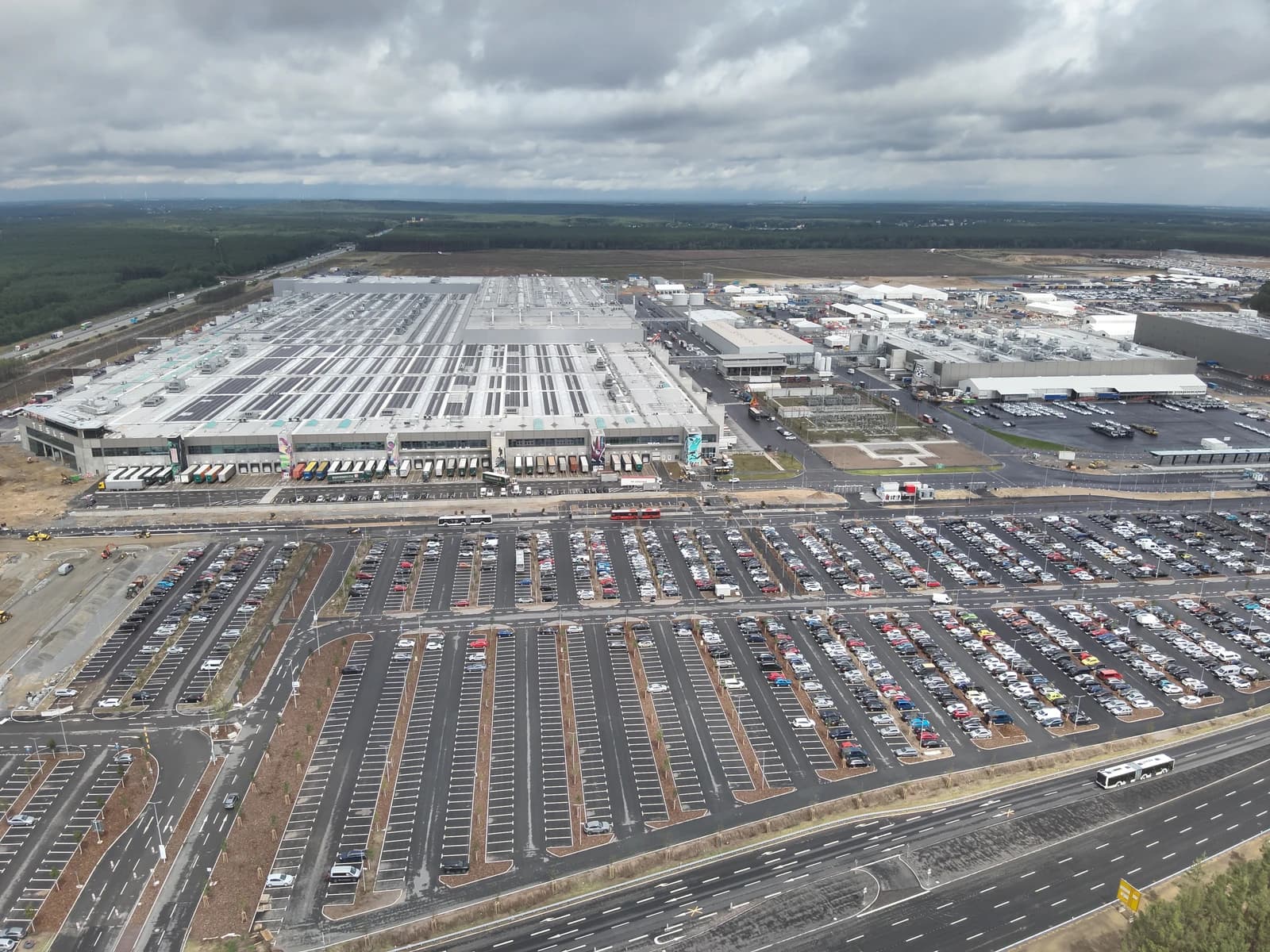
Elon Musk’s xAI has failed to get a federal pollution lawsuit thrown out, keeping alive a legal challenge that could force the company to rethink how it powers its AI data centers in the Memphis area.
xAI Loses Bid to Toss Memphis Pollution Lawsuit
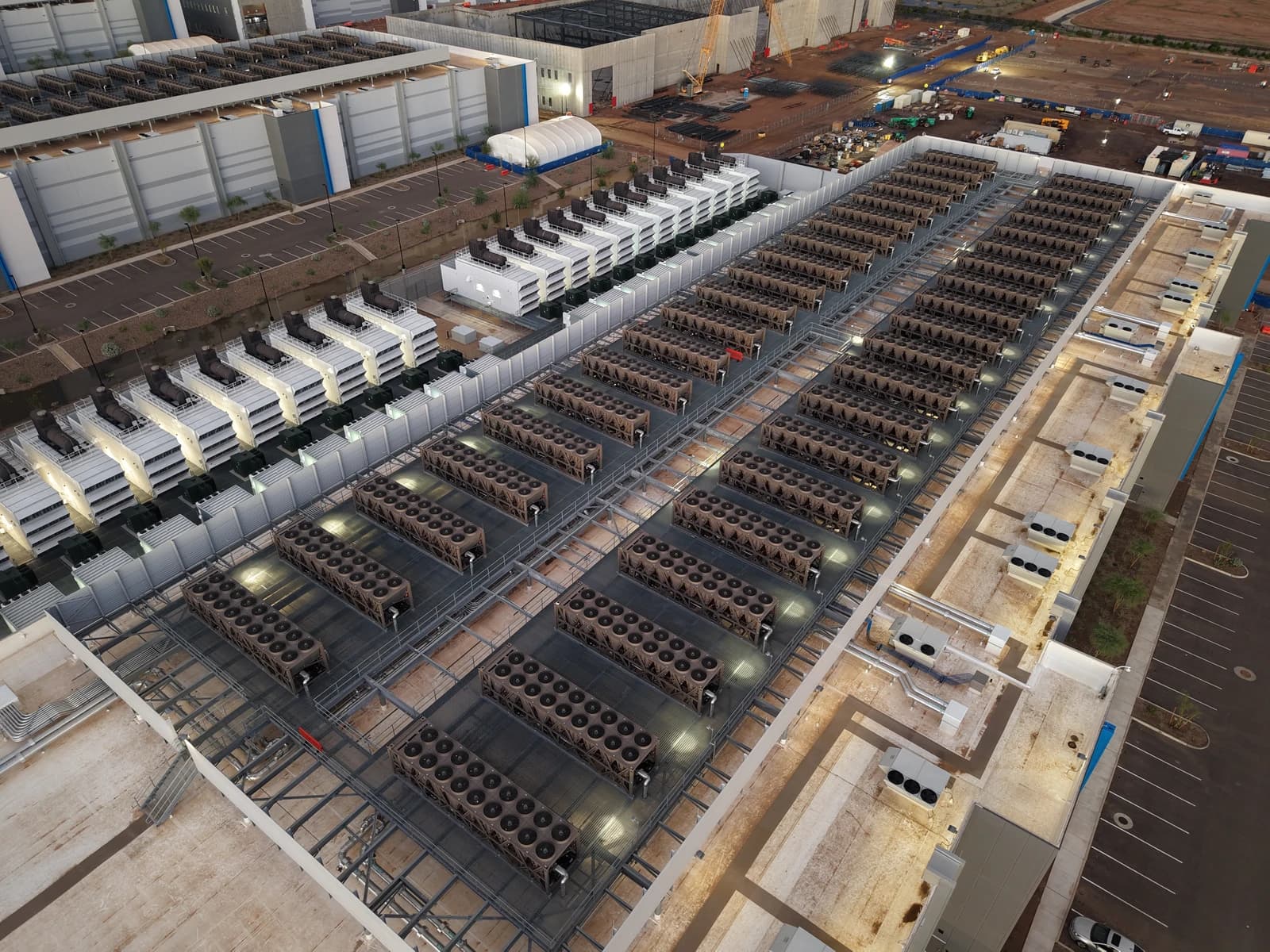
The ruling matters because the case goes beyond a local nuisance complaint: it tests whether AI infrastructure can rely on fast, gas-fired power builds without first securing the air permits required under the Clean Air Act. For investors, that raises the risk of higher compliance costs, project delays and tighter scrutiny around the energy footprint of the AI buildout now driving demand for power, land and equipment across the sector.
Sentiment Indicators
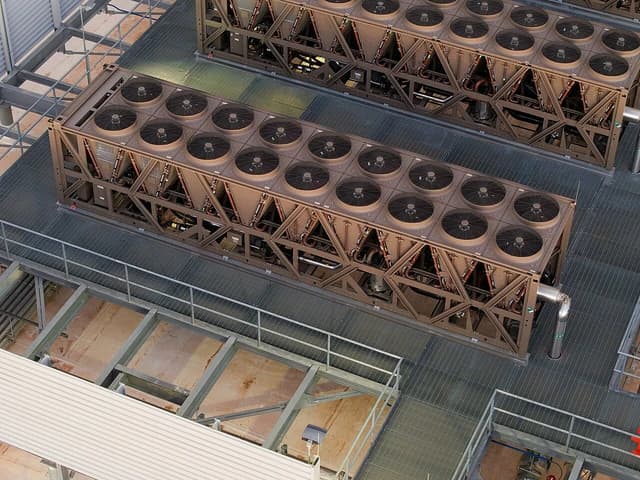
The NAACP, backed by the Southern Environmental Law Center and Earthjustice, sued xAI and its subsidiary MZX Tech, alleging the company installed and ran 27 natural-gas turbines in Southaven, Mississippi, between August and December 2025 without the required air-quality permits. The complaint says the turbines feed the Colossus data centers and a nearby power station serving the broader Memphis region.
The judge rejected xAI’s argument that the turbines were “mobile” sources exempt from permitting and also dismissed the company’s claim that the NAACP lacked standing to sue under federal law. That keeps the case on track after a separate U.S. Justice Department bid to end the matter was also denied about two weeks earlier.
The environmental fight lands at a sensitive moment for AI builders, who are racing to secure electricity for increasingly power-hungry chips and data halls. The industry’s rush to add capacity has collided with local opposition in places where communities are already pressing regulators over noise, pollution and health concerns.
For Tesla investors, the case is another reminder that Musk’s wider AI ambitions are tied to physical infrastructure risks as much as software and semiconductors. Any forced shift away from temporary gas generation could complicate the economics of rapid AI expansion and slow deployment at sites built around immediate power access.
The case now moves forward in Mississippi, with the next battleground likely centered on permits, emissions evidence and whether xAI’s power setup can survive regulatory review. Investors will be watching for any order that could limit operations, force retrofits or set a precedent for other AI data center projects dependent on fossil-fuel generation.
| Entity | Gains | Losses |
|---|---|---|
| NAACP / environmental groups | ▲Standing to press case | ▼Higher legal costs |
| xAI / Musk | ▲Continued operations for now | ▼Permit and emissions risk |
| Local residents | ▲Potential pollution relief | ▼Ongoing turbine emissions |
| AI data center builders | ▲Regulatory clarity if rules tighten | ▼Faster, cheaper fossil-fuel power builds |