Fuel theft is becoming a more material operating risk for fuel retailers and transport operators as elevated energy costs and organised thieves drive stations to tighten security with cameras, prepaid pumps and locked dispensers.
German Fuel Retailers Increase Security Against Theft
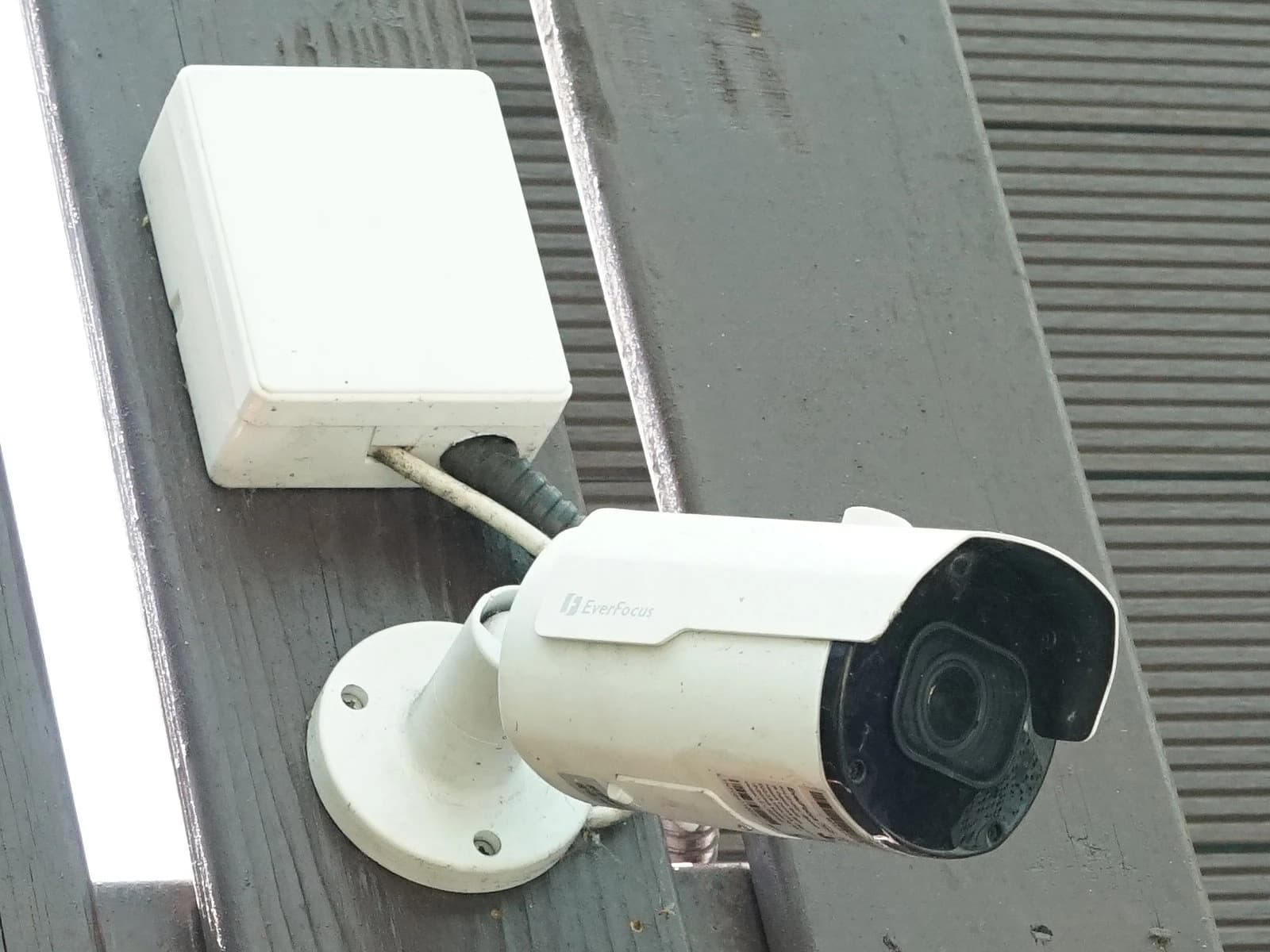
The issue matters economically because stolen fuel directly hits margins in a business where profitability is already tightly linked to commodity prices, taxes and logistics costs. It also raises operating expenses as stations invest in surveillance, access controls and payment systems to deter losses that can occur in seconds. For smaller operators, repeated theft can erode cash flow and make some locations uneconomic to keep open.
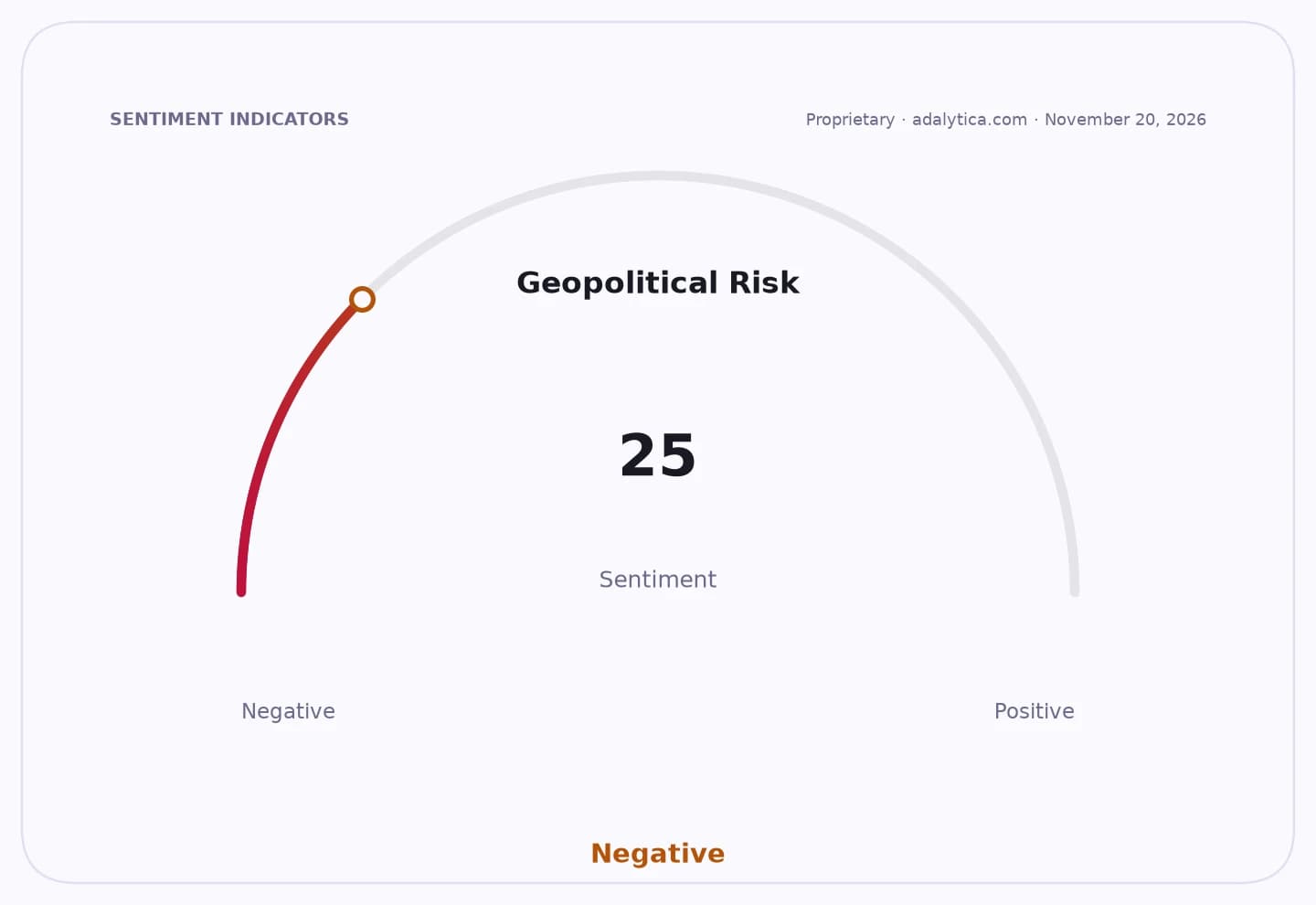
Sentiment Indicators
German state criminal police offices are reporting a noticeable increase in fuel theft, according to the source material. Offenders are siphoning from truck tanks, taking fuel from construction sites or simply driving away without paying. In response, many operators are introducing cameras, requiring upfront payment and shutting off selected pumps outside staffed hours.
The trend fits a broader pattern of theft becoming more opportunistic when prices are high. When fuel is expensive, each incident becomes more valuable to criminals and more damaging to sellers. It also increases the incentive for theft across the supply chain, from roadside stations to logistics yards and building sites, where diesel is both essential and mobile.
Investors in fuel retailers and convenience-store operators should care because theft pressure can weaken fuel contribution margins even when headline fuel demand is steady. Companies with larger footprints, better surveillance and stronger payment controls are better placed to absorb the problem. Those with exposed rural sites or unmanned formats may face higher shrinkage, more capital spending and greater security-related overhead.
The macro backdrop is not helping. Oil prices remain volatile and are still high enough to keep fuel theft attractive, while consumers and fleet operators remain sensitive to every cent at the pump. That combination makes prevention less of a one-off response than a structural cost of doing business.
For investors, the key question is whether theft-related losses stay a manageable nuisance or become a recurring drag on fuel retail economics. The answer will depend on how quickly operators can retrofit stores, how much insurers and local authorities can help, and whether energy prices stay firm enough to keep the incentives for theft elevated.
| Entity | Gains | Losses |
|---|---|---|
| Gas stations with cameras/prepayment | ▲Lower shrinkage | ▼Higher security costs |
| Fuel thieves | ▲Short-term gains | ▼Higher arrest risk |
| Fuel retailers with tight controls | ▲Better margins | ▼Less exposure to theft |
| Unmanned or rural stations | ▲Fewer theft losses if upgraded | ▼Higher vulnerability if not |