Germany’s planned fuel price cap is moving toward a political compromise, but Economy Minister Katherina Reiche is warning that the rules must not be so strict they discourage stations from supplying fuel in a crisis.
Germany fuel price cap nears political compromise
That is the key economic issue behind the policy: Berlin wants to shield motorists from extreme pump prices without recreating the kind of supply distortions that can leave consumers facing empty forecourts rather than lower prices. Reiche said the government had secured language that would keep it worthwhile for retailers to deliver fuel even if a cap is triggered, adding that “a low price at the pump helps nobody if there is no fuel to buy there.”
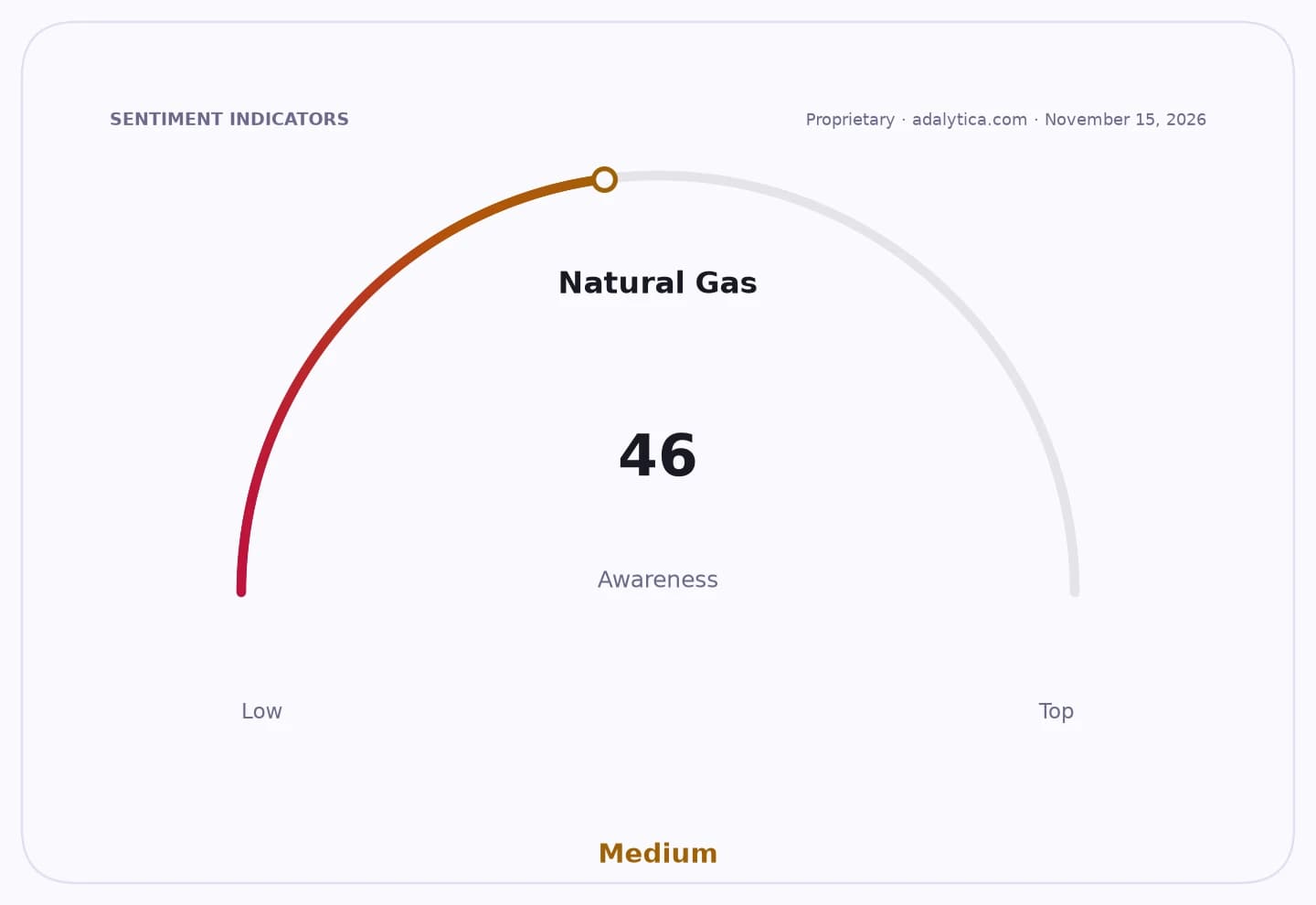
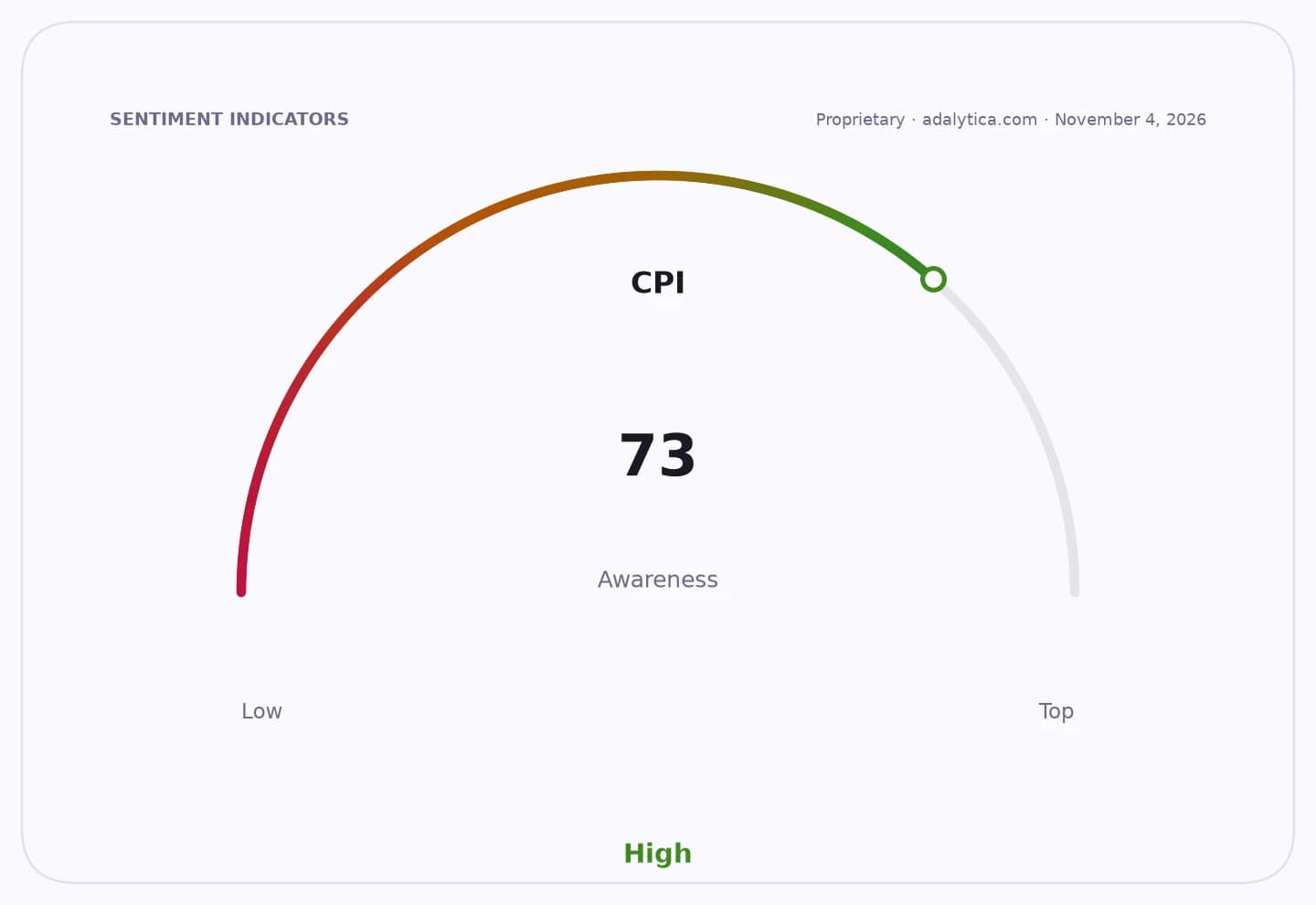
Sentiment Indicators
The debate comes as German fuel prices remain volatile and politically sensitive, especially for diesel drivers. While Brent crude has retreated to about $83 a barrel from levels above $100 earlier in the year, conventional technical indicators still point to a softening oil market: WTI crude was recently below both its 50-day and 200-day moving averages, with a weak relative strength index reading near 23, while the USO oil ETF has also slipped below its 50-day and 200-day averages. That suggests some relief on fuel costs may already be filtering through, even before any cap takes effect.
For investors, the significance is less about the cap itself than about how it is designed. A rigid ceiling could squeeze margins for fuel retailers and wholesalers, but a more flexible mechanism would likely leave the economics of supply chains intact. The policy also carries second-order implications for refiners and fuel marketers, which are already operating in a market shaped by volatile crude prices, narrow distribution economics and recurring political pressure over consumer fuel costs.
Reiche said she continued to prefer direct cash transfers to households, arguing that they would ease the burden without interfering in price formation at the pump. That reflects a broader policy trade-off: targeted fiscal relief is cleaner in market terms, while price intervention is more visible politically but riskier operationally. The coalition’s task now is to balance consumer protection with incentives for suppliers, a constraint that will determine whether the cap functions as crisis insurance or becomes a new source of distortion.
For markets, the immediate watchpoint is whether the final rules are narrow enough to avoid disrupting retail fuel availability, yet broad enough to satisfy voters squeezed by transport costs. Any move that weakens retailer economics could ripple through Germany’s downstream fuel network, while a softer version of the cap would likely reduce the odds of supply shortages but also limit its effect on pump prices.
| Entity | Gains | Losses |
|---|---|---|
| German motorists | ▲Lower crisis pump prices | ▼Less immediate relief if cap is watered down |
| Fuel retailers | ▲Preserved delivery incentives | ▼Margin pressure under a strict cap |
| German government coalition | ▲Political compromise | ▼Risk of criticism over weak consumer relief |
| Refiners and fuel suppliers | ▲Fewer supply distortions | ▼Greater scrutiny over pricing behavior |