Fuel theft is climbing and station owners are responding with cameras, prepayment rules and even locked pumps as elevated fuel costs make siphoning diesel and driving off without paying more lucrative for criminals.
Fuel Theft Rises as Gas Station Security Spending Increases
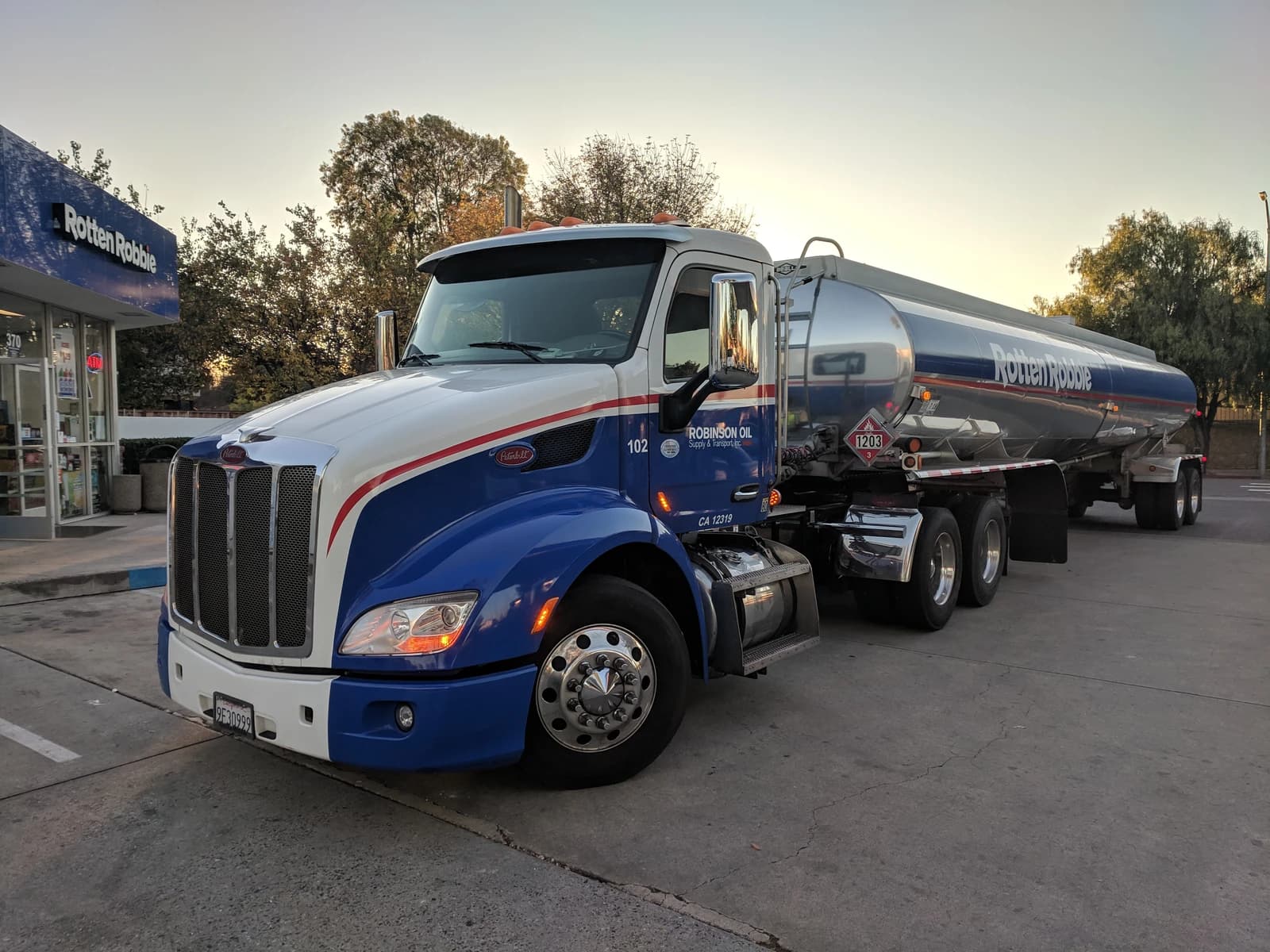
The economics are straightforward: when gasoline and diesel prices stay high, the payoff from stealing fuel rises at the same time as enforcement remains patchy. That creates a painful squeeze for retailers already operating on thin margins, forcing them to spend more on security, payment systems and operational controls just to protect inventory. What looks like a local nuisance is really an inflationary aftershock — one that adds cost to distribution, raises losses for small operators and can nudge prices higher at the pump over time.
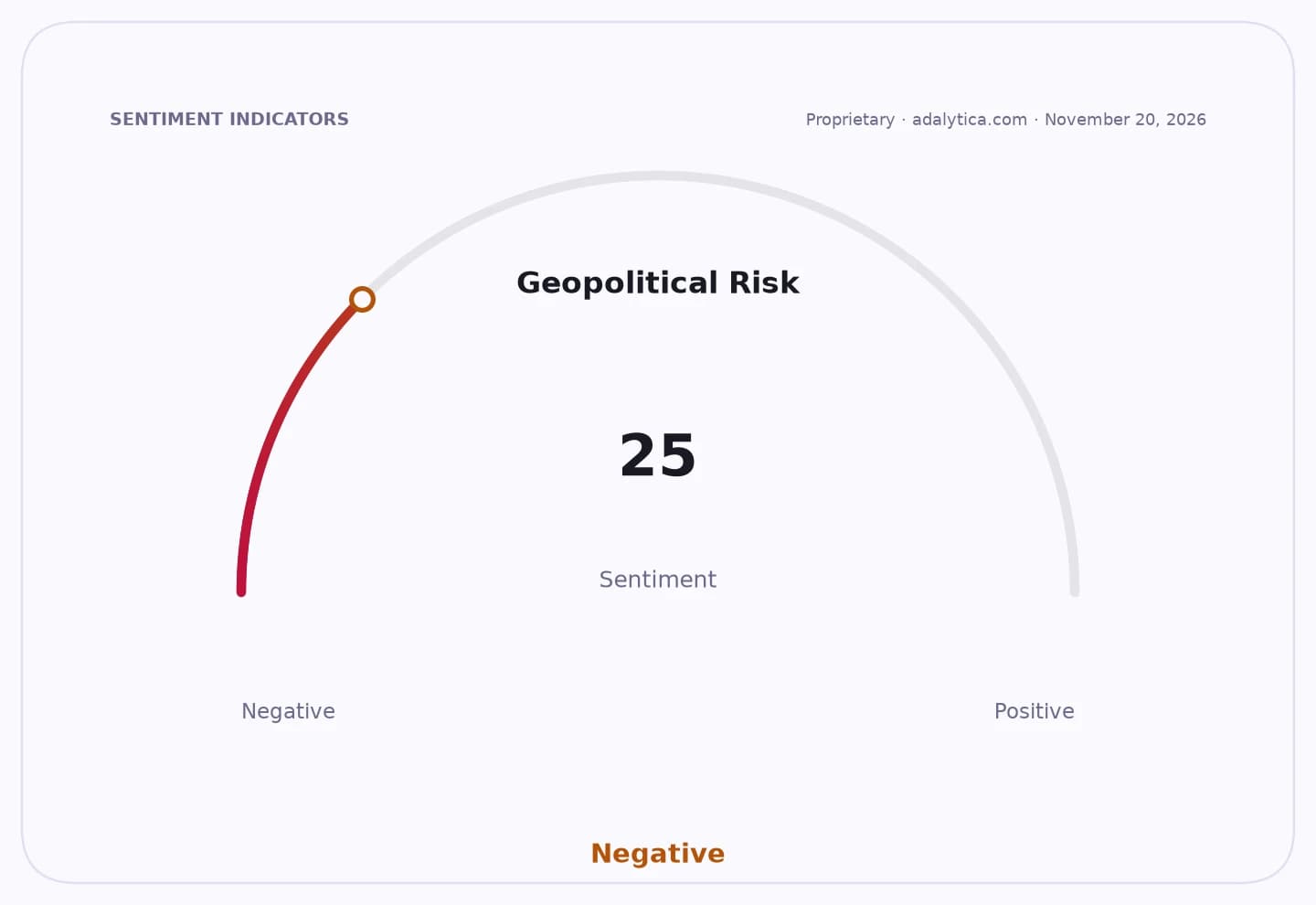
Sentiment Indicators
Germany’s state criminal police offices are reporting a noticeable increase in fuel theft, according to the report. Thieves are drilling into truck tanks, taking fuel from construction sites or simply leaving stations without paying. The pattern is broadening beyond the classic drive-off theft that has long hit forecourts and into industrial and logistics networks where fuel is stored in larger volumes and theft can go undetected longer.
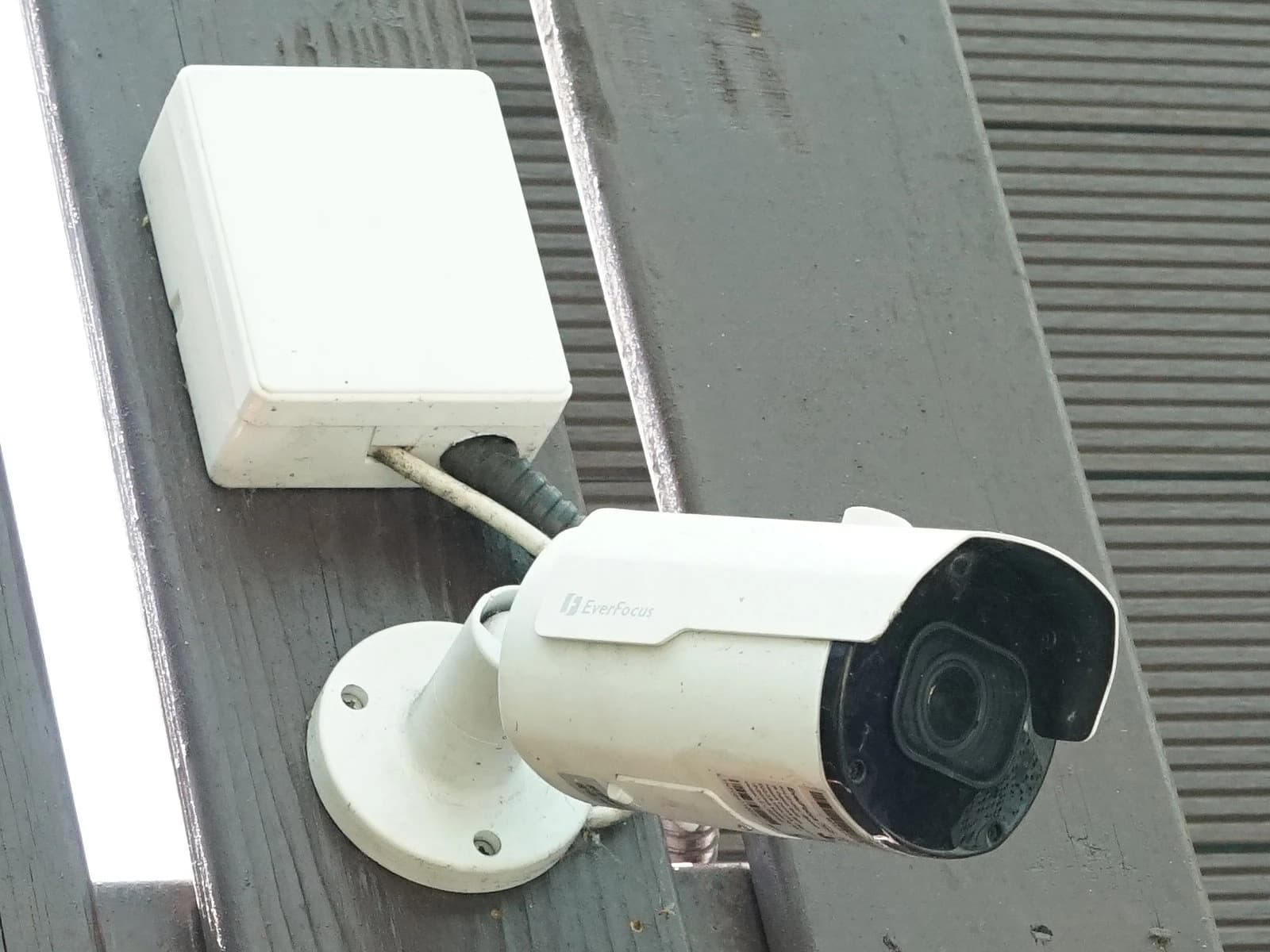
That matters for investors because it turns a low-margin retail channel into a security and technology spending story. Gas stations and fleet operators will increasingly need surveillance, automatic access controls and cashless or prepay systems, creating demand for payment infrastructure, monitoring equipment and loss-prevention software. The beneficiaries are the companies that sell the tools to harden fuel distribution, not the operators forced to absorb the cost.
The macro backdrop reinforces the trend. Brent and WTI have been volatile, and even after recent pullbacks U.S. fuel prices remain high enough to keep theft attractive. At the same time, broad inflation is still elevated, which keeps attention on every source of leakage in the supply chain. If fuel remains expensive, this is not a one-off policing issue — it becomes a durable operating cost for transport, logistics and roadside retail.
For investors, the trade is to look beyond the stolen gallons and toward the infrastructure layer around them. Security hardware, payment processors, surveillance vendors and companies tied to commercial fleet management should see a more durable tailwind as operators harden sites against theft. The market tends to treat this as a nuisance headline; I think it is an early sign that fuel retail is moving toward a more technology-intensive, more capital-intensive model.
| Entity | Gains | Losses |
|---|---|---|
| Security and surveillance vendors | ▲More demand for cameras and controls | ▼None material |
| Payment and prepay systems providers | ▲Faster adoption of cashless controls | ▼Cash-based operators |
| Gas station owners | ▲Lower theft risk over time | ▼Higher security costs |
| Thieves | ▲None | ▼Tighter enforcement, fewer easy targets |