Germany is entering winter with gas inventories well below target, and that leaves Europe’s biggest economy exposed just as energy prices are climbing and the market for replenishing stock is getting harder.
Germany gas storage stays below winter target
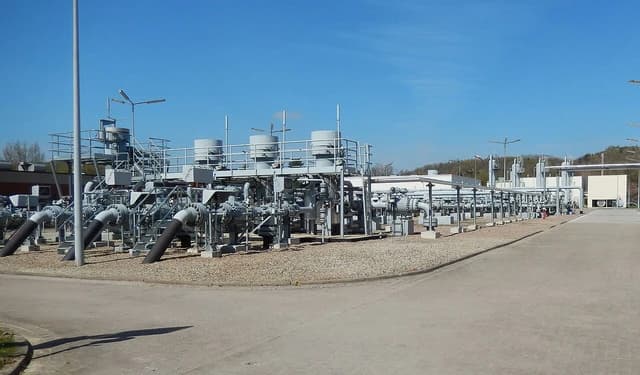
That matters because Germany sits at the center of the continent’s industrial base and accounts for more than one-fifth of the EU’s total gas storage capacity. With storage at 61% as of Nov. 2, according to the Gas Infrastructure Europe trade group, Berlin is still short of its own roughly 70% target for early November and well below the EU average of 74.56%. In a cold spell, that gap could tighten supply, lift power and heating costs, and force Germany to import more gas at the worst possible time.
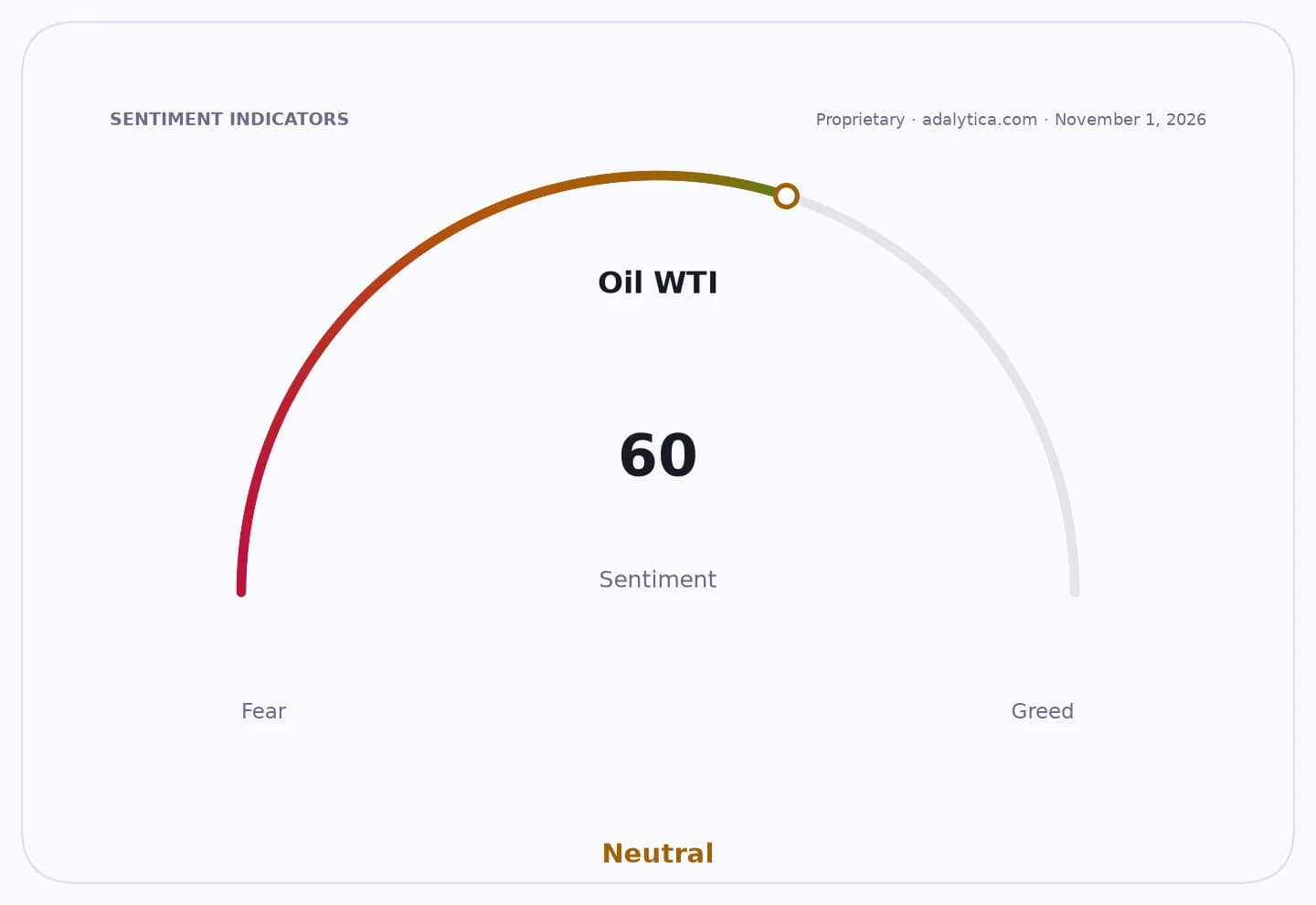
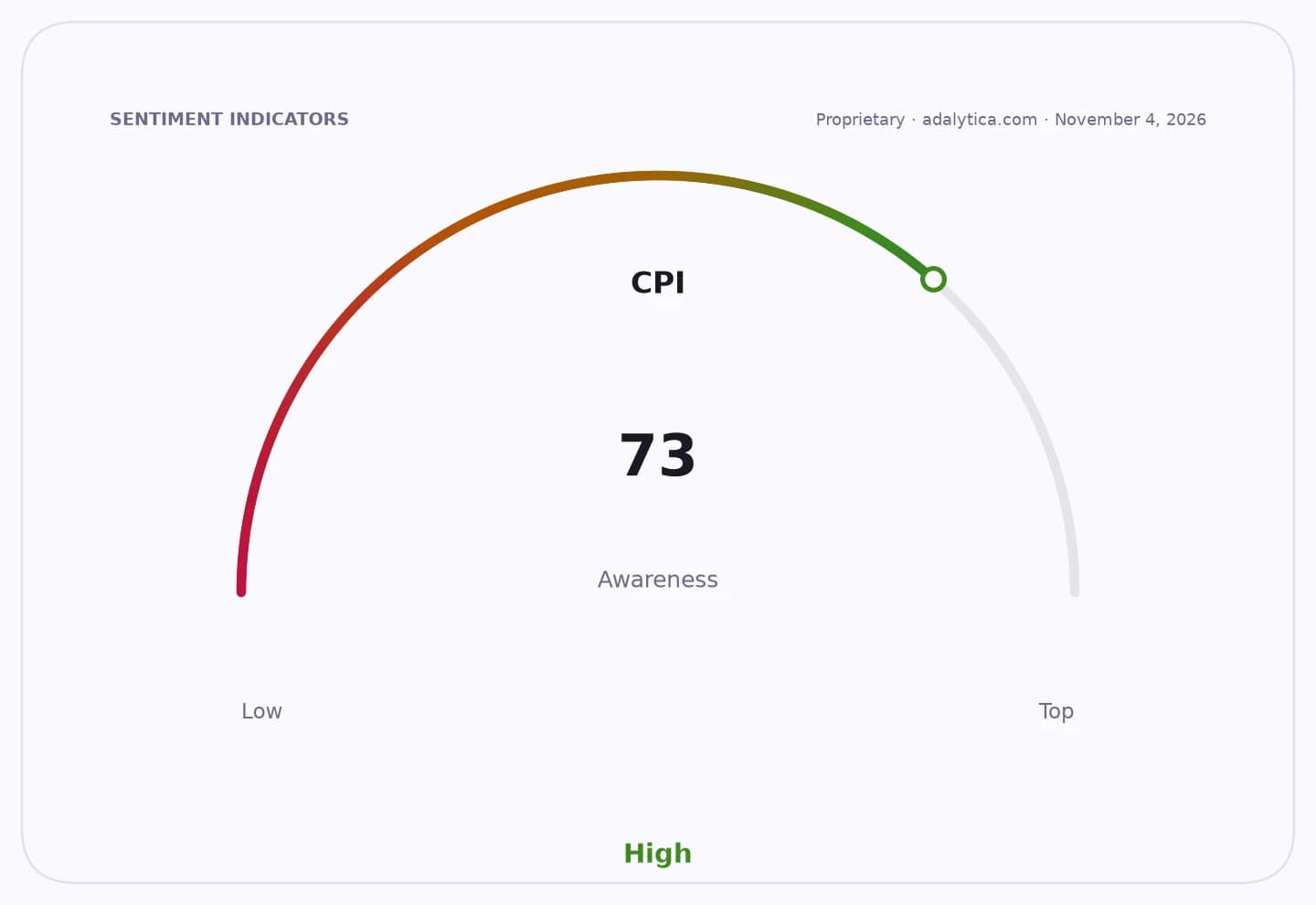
Sentiment Indicators
The timing is especially awkward. European gas prices have pushed to a four-year high, while weaker liquefied natural gas flows are making it more expensive and more difficult to refill tanks. Traders have less incentive to store gas when profits are thin, which means the market is not naturally doing the heavy lifting for policymakers. Raiffeisen analyst Aaron Alber warned German storage could end the winter at 20% to 25%, below the 30% to 40% level often expected. That would leave the country vulnerable heading into the next refill season too.
For investors, the immediate implication is straightforward: energy remains a volatility trade, not a solved problem. Higher gas prices can support producers, LNG exporters and energy ETFs, while pressuring industrial users, utilities and households across Europe. In the U.S., natural gas vehicles such as the United States Natural Gas Fund, UNG, have already been extremely oversold by conventional technical measures, with its RSI reading near 18 after a sharp slide, even as the broader backdrop remains fragile. Oil and gas equities have also been choppy, with XLE and EOG showing recent pullbacks after strong earlier gains, underscoring how quickly sentiment can reverse when supply fears rise and recede.
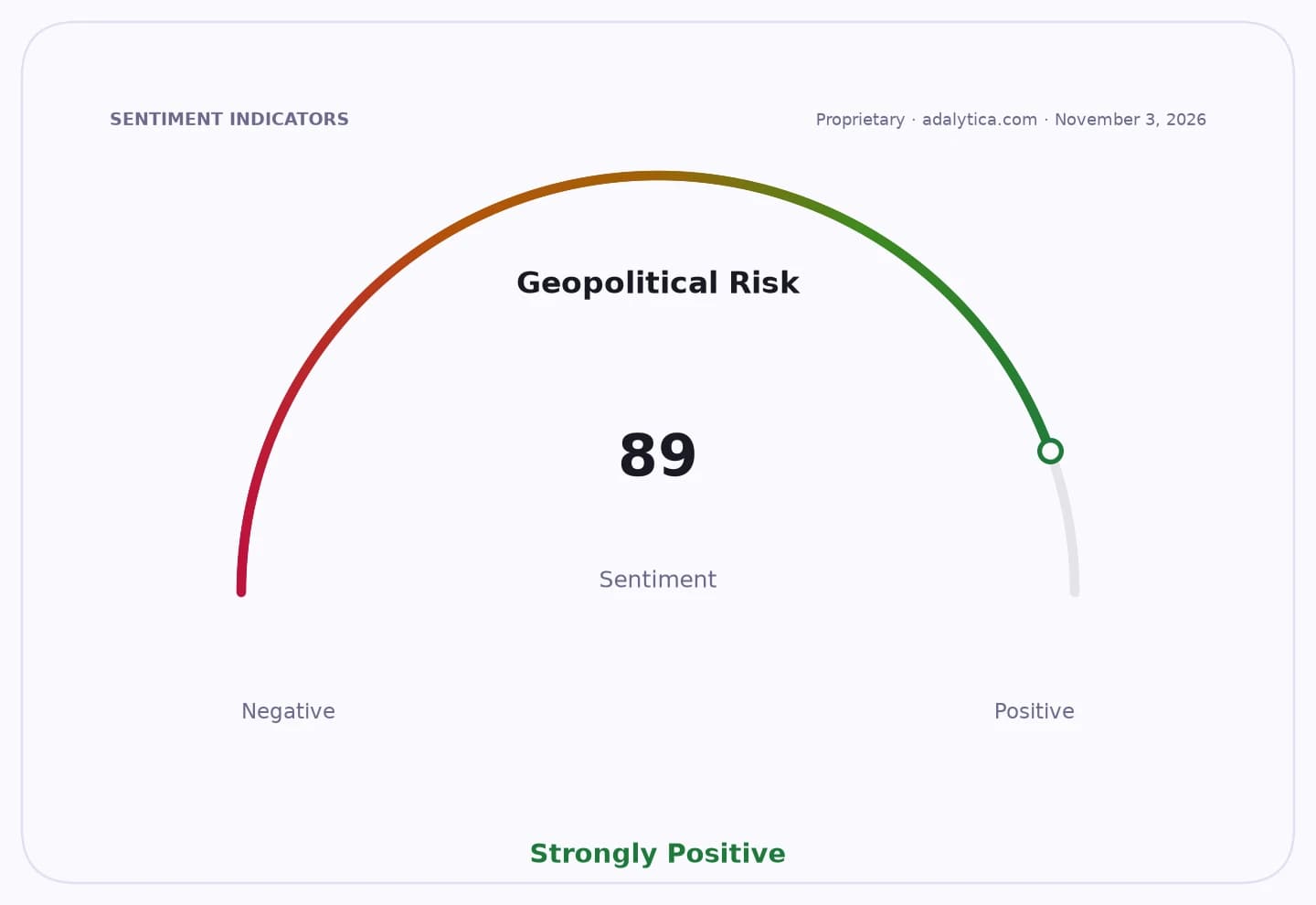
Geopolitical Risk
The bigger narrative is that Europe is still living with the aftershocks of the 2022 crisis, when Russian gas disruptions forced Germany to spend tens of billions of euros on replacement supply and emergency support for importers. Berlin says it does not yet need to intervene, and it has rejected Italy’s accusation that it is holding back purchases to save money before privatizing importers. But if this winter turns harsh, the economics may overwhelm the politics.
For long-term investors, the lesson is not to chase every spike, but to recognize that gas infrastructure, LNG capacity and reliable supply contracts are becoming more valuable in a world where energy security is back on the agenda. Germany’s low storage level is a warning, not a footnote, and it is worth keeping on the watchlist.
| Entity | Gains | Losses |
|---|---|---|
| LNG exporters | ▲Higher winter demand | ▼More price volatility |
| German industrial users | ▲— | ▼Higher energy costs |
| Energy producers | ▲Stronger pricing power | ▼Refill uncertainty |
| Households in Germany | ▲— | ▼Bigger heating bills |