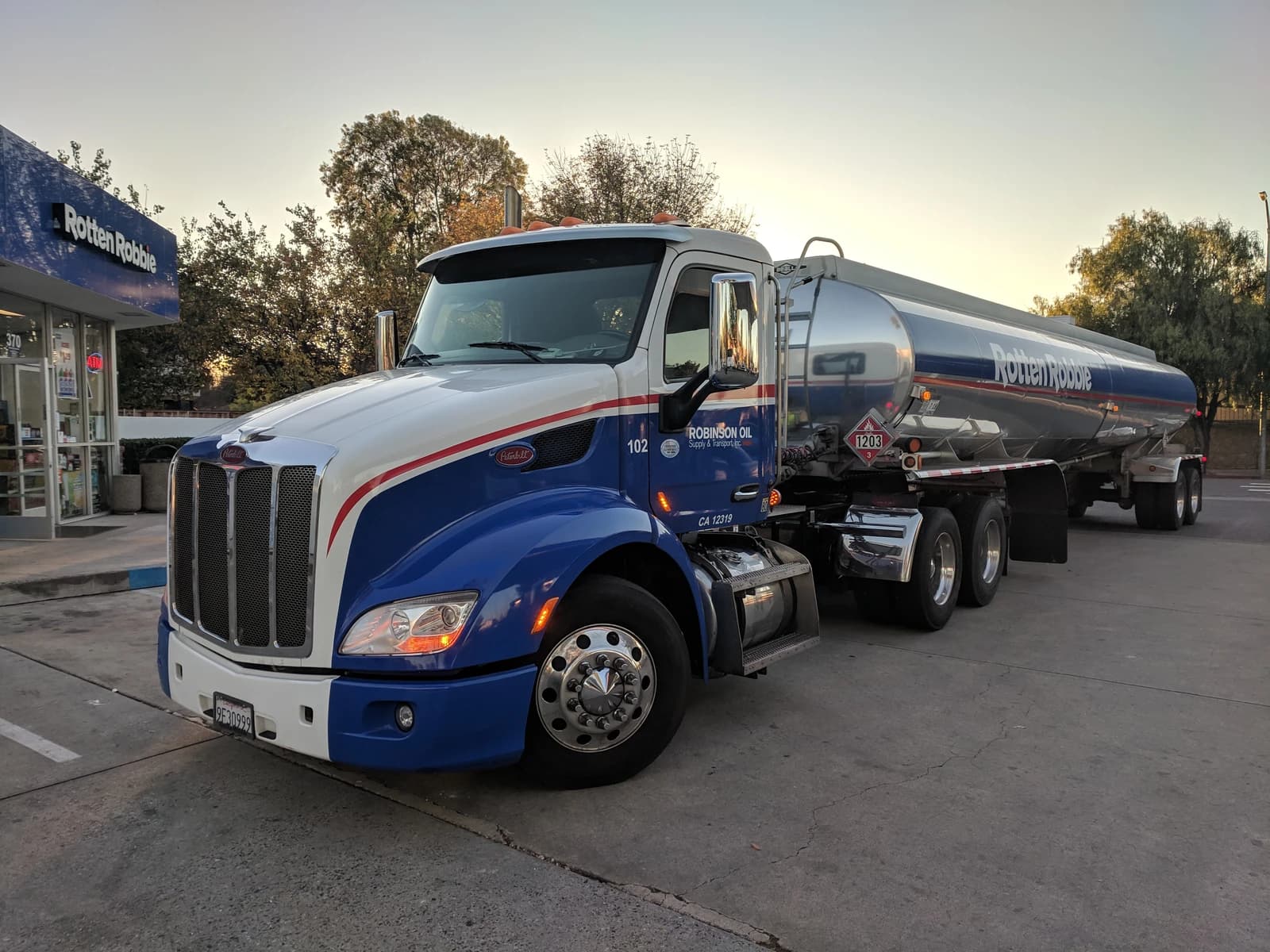
Fuel deliveries are still uneven at independent gas stations in Russia’s Rostov region, but large network operators are continuing to work normally — a sign that the shock to the local market is serious enough to disrupt smaller players, yet not broad enough to trigger a full-blown shortage.
Russia Rostov fuel deliveries uneven at independent stations
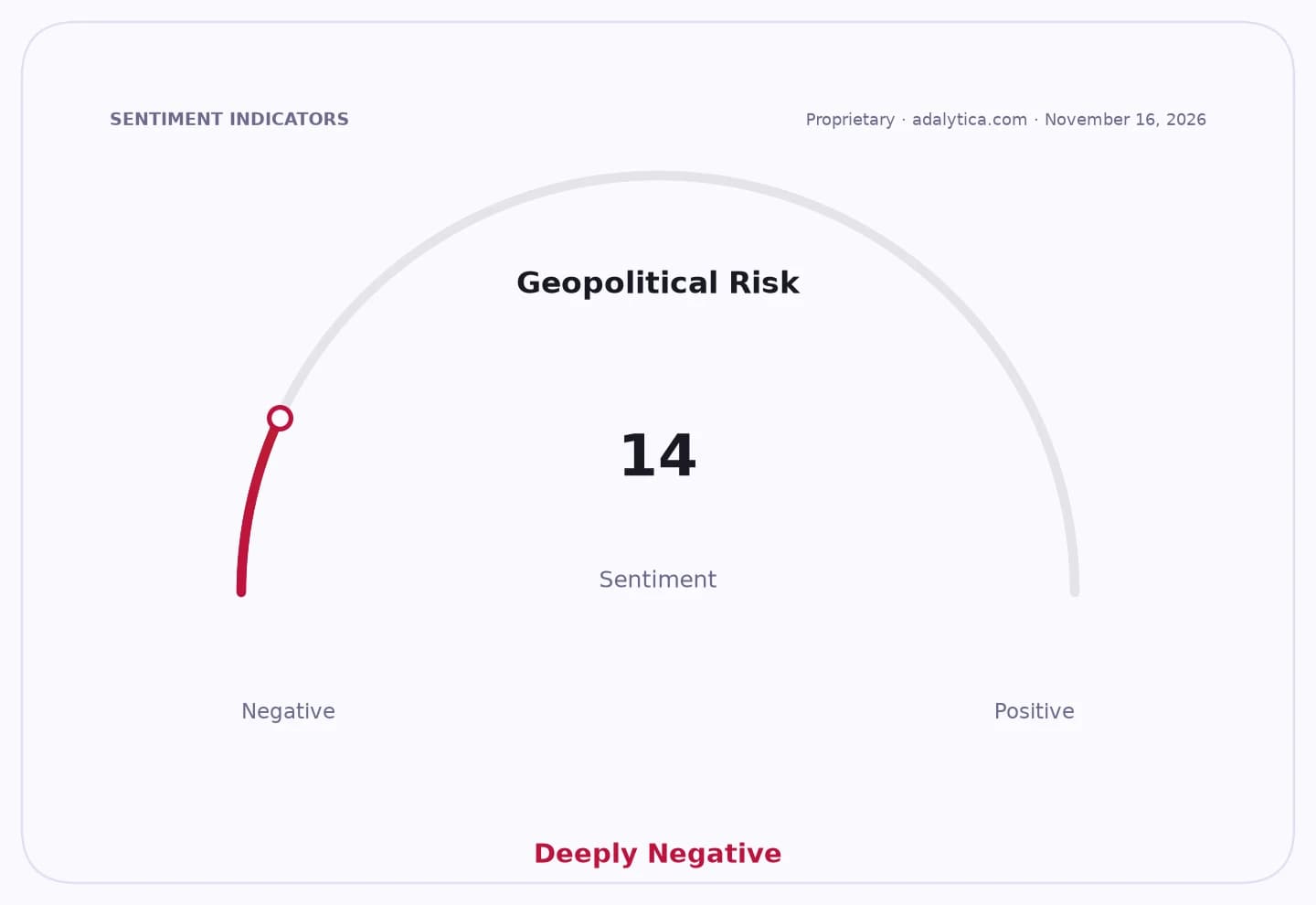
Geopolitical Risk
That distinction matters for the regional economy. When independent stations lose reliable supply, the pain shows up first in rural and remote areas, where consumers have fewer alternatives and businesses are more exposed to transport bottlenecks. It also raises the risk of temporary price spikes and panic buying, even if the biggest operators still have stock on hand.
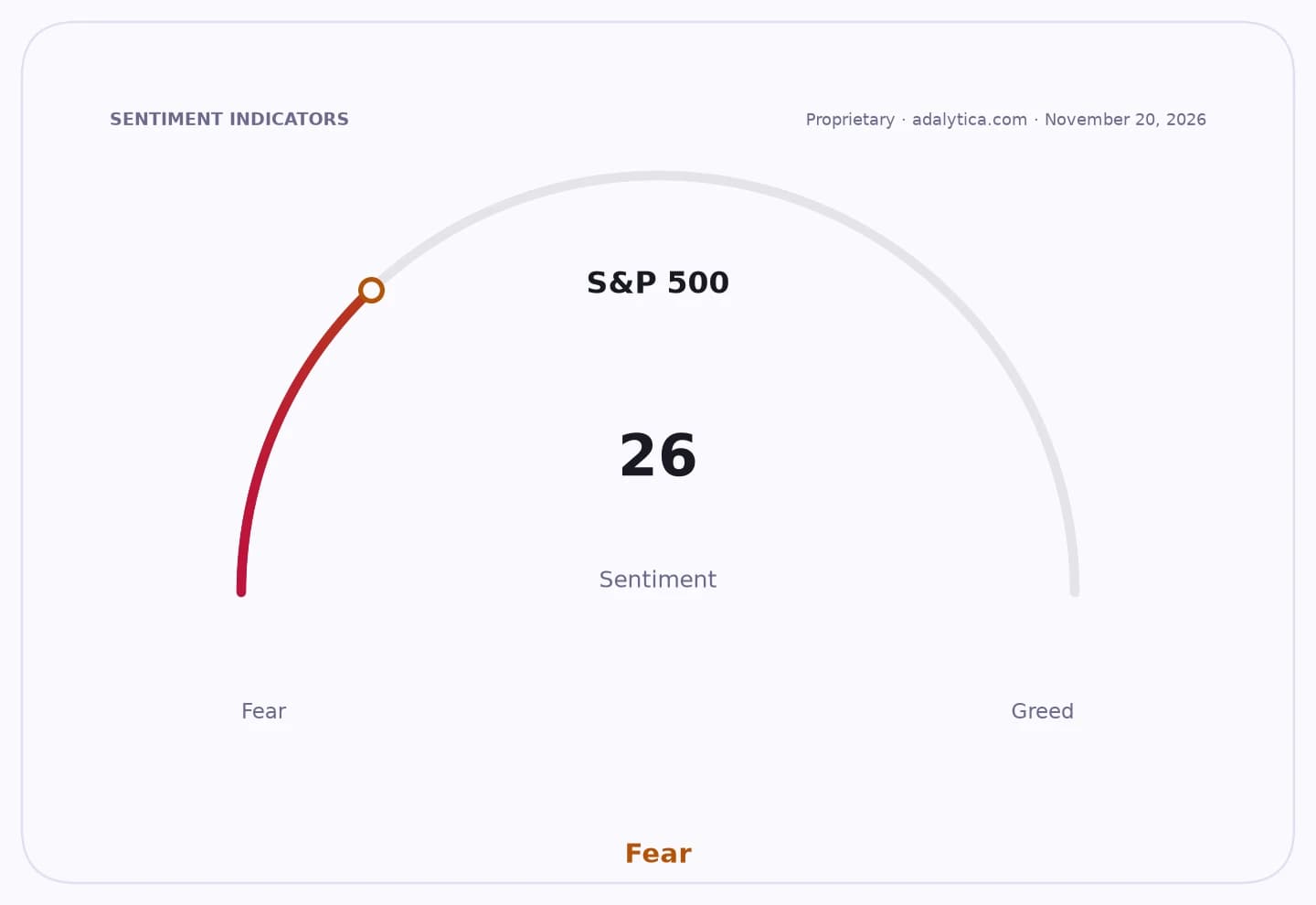
Sentiment Indicators
Regional officials said the fuel market has been under pressure for the past week from external challenges that have made logistics temporarily harder. Authorities and federal agencies are responding with a mix of measures designed to keep supply flowing: a ban on diesel exports, higher imports, faster refinery repairs and closer daily price monitoring by the Federal Antimonopoly Service and the regional office.
The backdrop is an October drone attack on the Azov area that set off fires at fuel-handling sites, including facilities linked to storage and shipment of petroleum products. Local authorities said the fires have now been fully extinguished, but the incident appears to have added another layer of stress to an already tight distribution system.
Investors should read this as a reminder that fuel disruptions in Russia are increasingly a logistics story, not just a production story. Even when major vertically integrated oil companies have adequate inventories, the system can still fray at the margins if transport routes, storage hubs or retail distribution points are hit. That can support prices in the near term and keep volatility elevated for refiners, distributors and fuel-linked assets.
For energy markets more broadly, the episode reinforces a familiar pattern: supply is often weakest where the market is least integrated. Big chains and large producers tend to absorb shocks better, while independents are left exposed to shortages and delayed deliveries. If authorities can keep the disruptions contained, the broader fuel market may stabilize. If not, the pressure could spread from isolated stations to consumers, freight operators and local businesses that depend on steady diesel and gasoline access.
| Entity | Gains | Losses |
|---|---|---|
| Large network gas stations | ▲Stable supply | ▼Little near-term upside |
| Independent gas stations | ▲— | ▼Disrupted deliveries |
| Regional authorities | ▲More control | ▼Policy pressure |
| Consumers and small businesses | ▲Limited relief if stable | ▼Higher convenience and shortage risk |