Ukraine’s drone campaign against Russian energy infrastructure has reached one of the country’s most important refineries, forcing Rosneft to ration fuel sales in six regions and underscoring the widening strain on Russia’s domestic fuel market.
Russia fuel caps after KINEF refinery strike
The strike on the KINEF refinery in the Leningrad region damaged three main processing units at a plant that handles about 7% of Russia’s refining capacity and supplies aviation fuel to St Petersburg’s Pulkovo airport. Rosneft’s move to cap petrol and diesel sales at its stations — including a 30-litre limit per transaction in cities and 50 litres on motorways — suggests the disruption is no longer confined to isolated assets but is feeding into retail supply management.
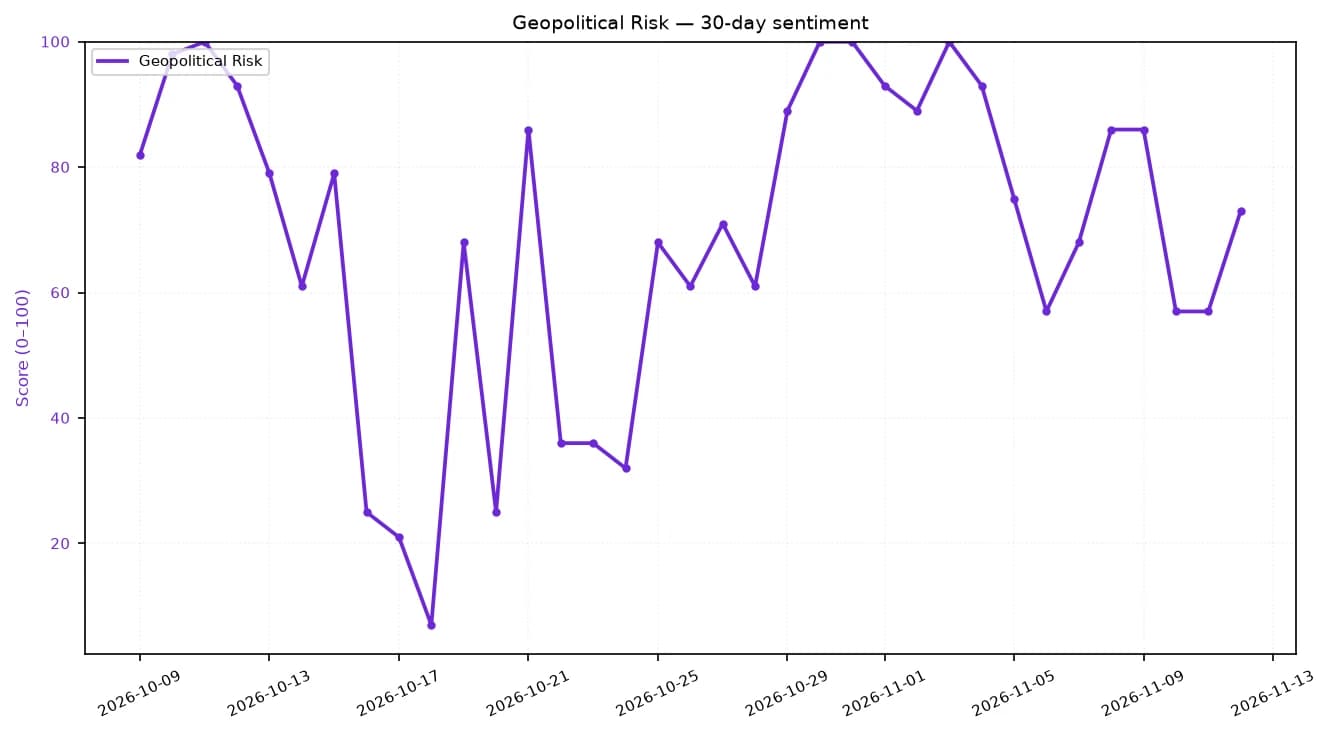
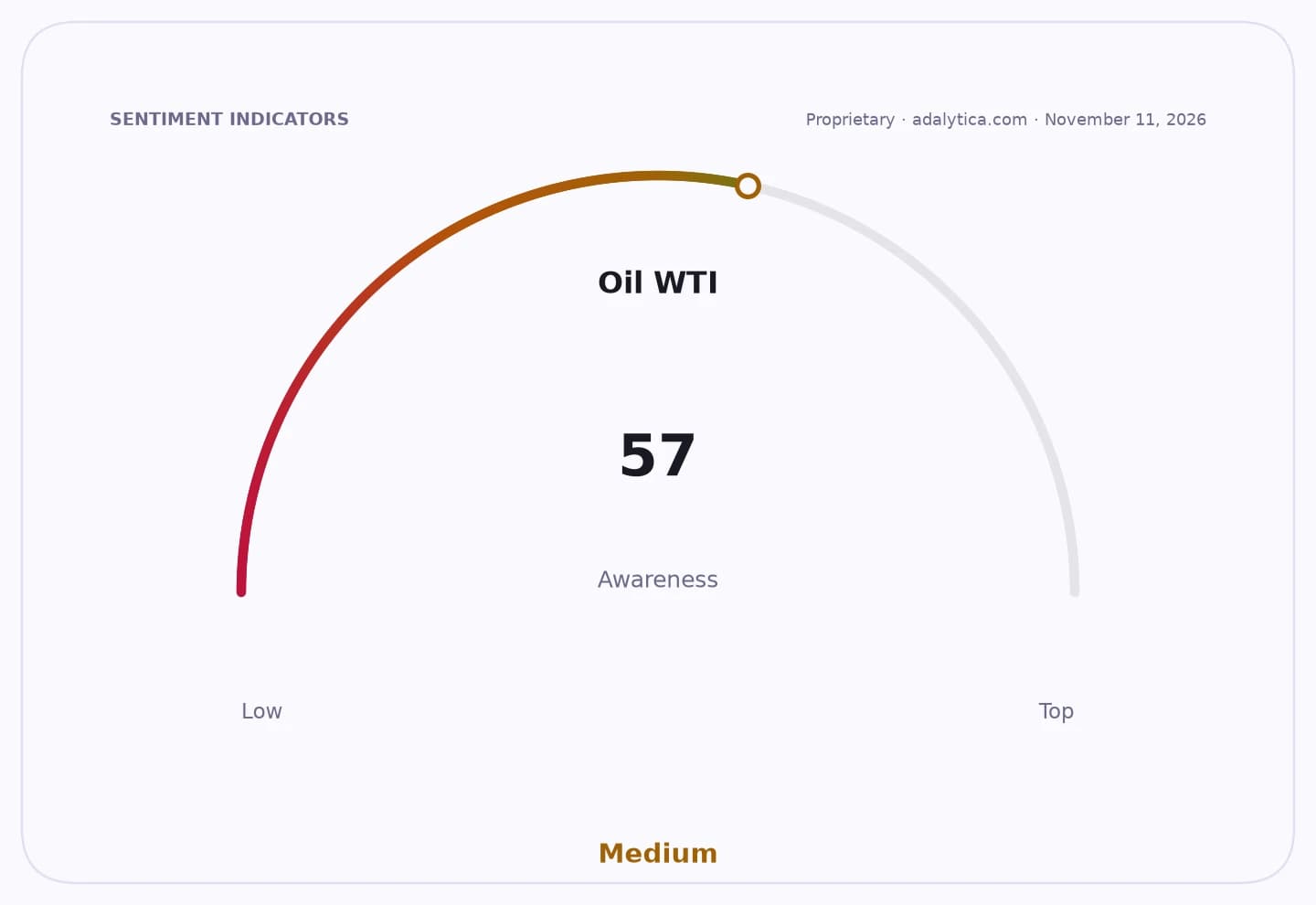
Sentiment Indicators
KINEF, owned by Surgutneftegaz, is the largest refinery in northwest Russia and the country’s second largest overall after Omsk. Processing roughly 18 million tonnes of crude a year, it produces petrol, diesel, aviation kerosene and other products that are essential to both civilian transport and military logistics. Any sustained outage at that scale tightens product balances in a market already vulnerable to strikes, sanctions and seasonal demand.
For Moscow, the risk is twofold. First, repeated hits on refining capacity reduce the volume of fuel available for the domestic market and can widen regional shortages, particularly far from major production hubs. Second, damage to a refinery that supplies an airport raises the operational and political cost of the campaign, because it extends beyond oil output into transportation infrastructure and public safety.
For investors, the immediate read-through is to fuel spreads, Russian product exports and broader oil-market volatility rather than crude alone. Crude prices have been cushioned by ample supply at times, but attacks on refineries tend to lift margins for gasoline and diesel globally by constraining processing, especially when outages hit a plant as large as KINEF. The move also matters for Russian producers and refiners facing sanctions and limited flexibility to reroute flows.
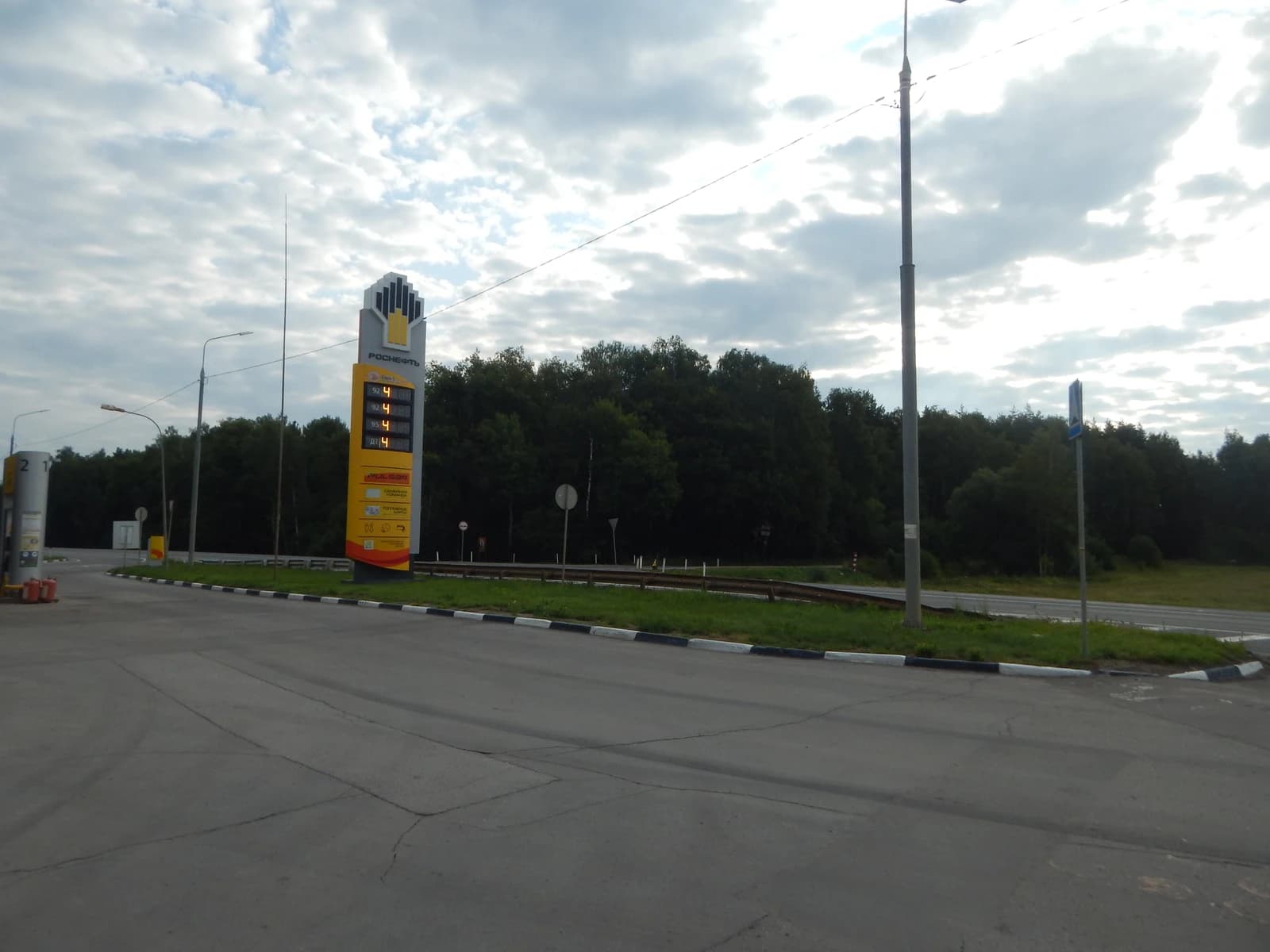
Rosneft’s sales caps in Karelia, Buryatia, Zabaykalsky Krai and the Novosibirsk, Arkhangelsk and Penza regions, along with separate limits in Krasnoyarsk Krai, show the pressure is being managed at the pump. Authorities in Leningrad region have also advised stations to limit sales, reinforcing the view that the supply shock is broadening beyond a single refinery fire.
The attacks come as Russia and Ukraine continue to hammer each other’s energy and infrastructure assets. Russian forces launched hundreds of drones overnight into Ukraine, while Ukrainian air defences said they shot down the bulk of incoming Russian drones. But from a market perspective, the more important development is that Ukraine is demonstrating it can hit large, strategically relevant refining assets inside Russia, not just border infrastructure.
If the damage at KINEF proves prolonged, it could force Russia to divert crude, import more refined products internally, or tighten retail controls further. That would support diesel and gasoline prices and keep a premium in oil-product markets, even if headline crude supply appears little changed.
| Entity | Gains | Losses |
|---|---|---|
| Ukraine | ▲Leverages pressure on Russia’s fuel system | ▼Risks escalation |
| Rosneft/Russian consumers | ▲Retail caps preserve limited supply | ▼Lower sales volumes |
| Global refiners/traders | ▲Higher product margins | ▼More volatility |
| Russian military/logistics | ▲— | ▼Tighter domestic fuel availability |