Higher pay and a more merit-based job market are becoming the decisive conditions for Italians abroad to even consider coming home, and that is a problem for an economy already struggling to convert labor demand into productivity growth.
Italy wage gap and talent return challenge
That is the central message from a CNEL report that lays bare how Italy’s wage gap is widening into an economic competitiveness gap. For investors, the significance goes well beyond a labor-market lament: a country that cannot lure back skilled workers will struggle to sustain investment in higher-value industries, especially in technology, finance, advanced manufacturing and services that depend on scarce talent.
The narrative is straightforward. Italy is not just losing workers; it is losing the people most likely to raise productivity, start businesses and transfer know-how. When pay lags and career progression feels opaque, the rational choice is to stay in higher-wage markets abroad. That drains domestic consumption, trims the tax base and leaves employers with a thinner pool of engineers, managers and professionals.
The macro backdrop makes the issue more urgent. Italy’s labor market may be tighter than in past downturns, but the country’s attraction problem remains structural. Younger workers continue to see weaker income prospects, while employers face a credibility test on whether advancement is really tied to performance. The result is a self-reinforcing cycle: low expectations discourage return migration, and weaker talent inflows keep productivity and wages subdued.
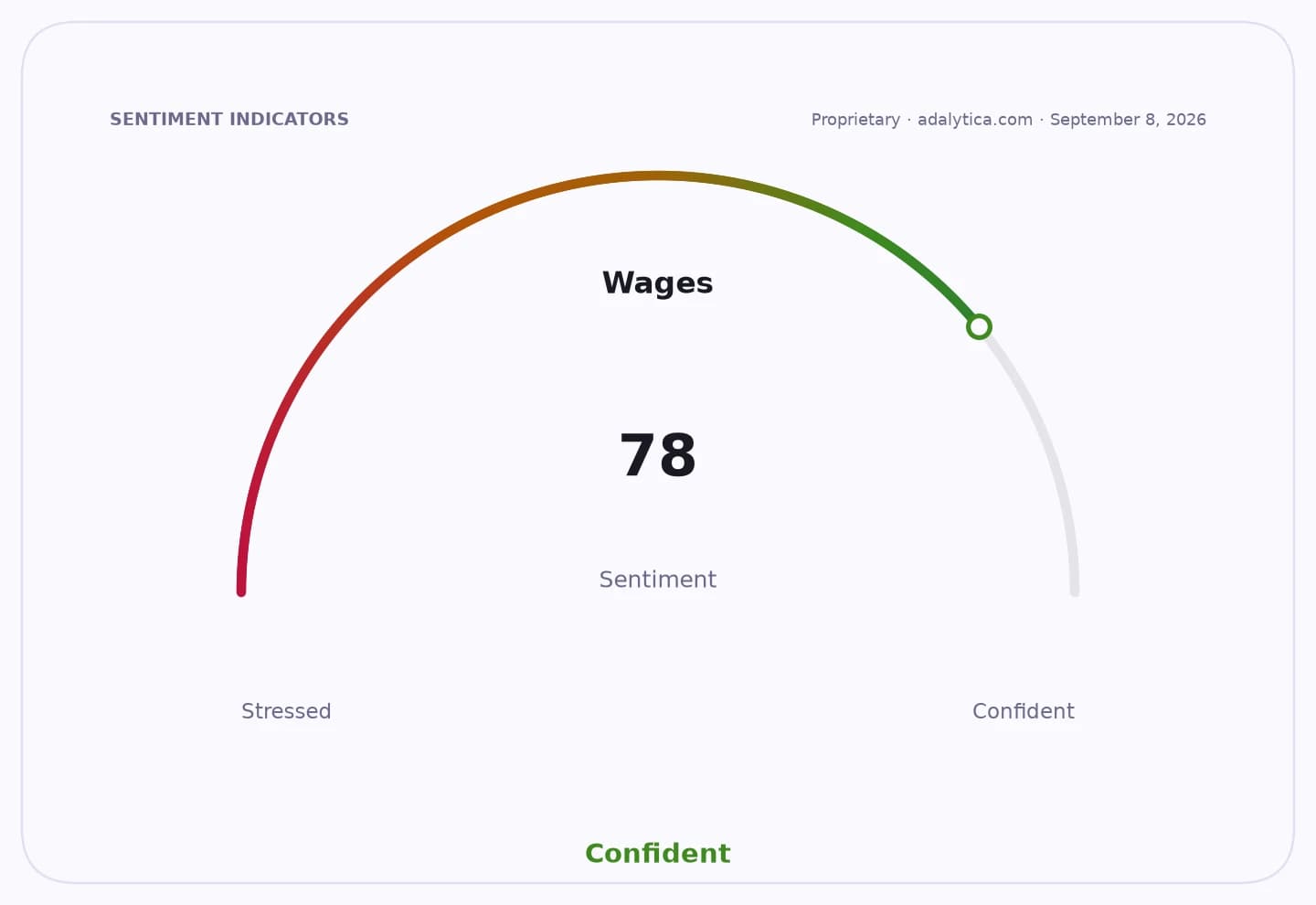
Wages — 30-day sentimentadalytica.com
Explore this data interactively — full history, time series and cross-market comparisons.Open AlphaPulse
That matters because Italy cannot rely on demographics or a broad domestic labor surge to do the heavy lifting. If skilled expats are not returning, firms will have to pay more to retain the talent they already have, outsource more work, or invest harder in automation and digital infrastructure. In other words, the story is not just about salaries; it is about where capital gets deployed next.
The investment angle is clear. Companies and sectors that can offer genuine meritocracy — export-led industrial groups, software, defense, automation, and premium consumer brands with pricing power — should outperform the broader Italian economy. Businesses exposed to tight domestic labor supply, especially those with low wage flexibility and weak productivity, will face a tougher fight for growth.
For policymakers, the lesson is equally stark. A wage increase alone will not solve the problem if promotion, hiring and management culture remain rigid. But if higher compensation is paired with a more transparent path to advancement, Italy could finally start reversing part of its brain drain. That would be a medium-term tailwind for domestic demand, tax receipts and corporate earnings.
My view: the market underestimates how powerful a talent return story could be for Italy — and how much value will accrue to the firms that adapt first. Investors should look for the businesses building scale, automation and real career ladders, because those are the ones most likely to win in the next phase of Italy’s labor reset.
| Entity | Gains | Losses |
|---|---|---|
| Skilled Italian expats | ▲Higher pay, better career paths | ▼Stagnant domestic prospects |
| Italian firms with merit-based cultures | ▲Easier talent retention | ▼Reliance on low-cost labor |
| Italian economy | ▲Higher productivity potential | ▼Continued brain drain |
| Low-wage domestic employers | ▲Short-term cost control | ▼Harder talent recruitment |