Janus Living lifted its full-year cash-flow outlook and is using an unlevered balance sheet to turn rising interest rates from a headwind for much of real estate into a relative advantage.
Janus Living Raises FFO Outlook on Debt-Free Model
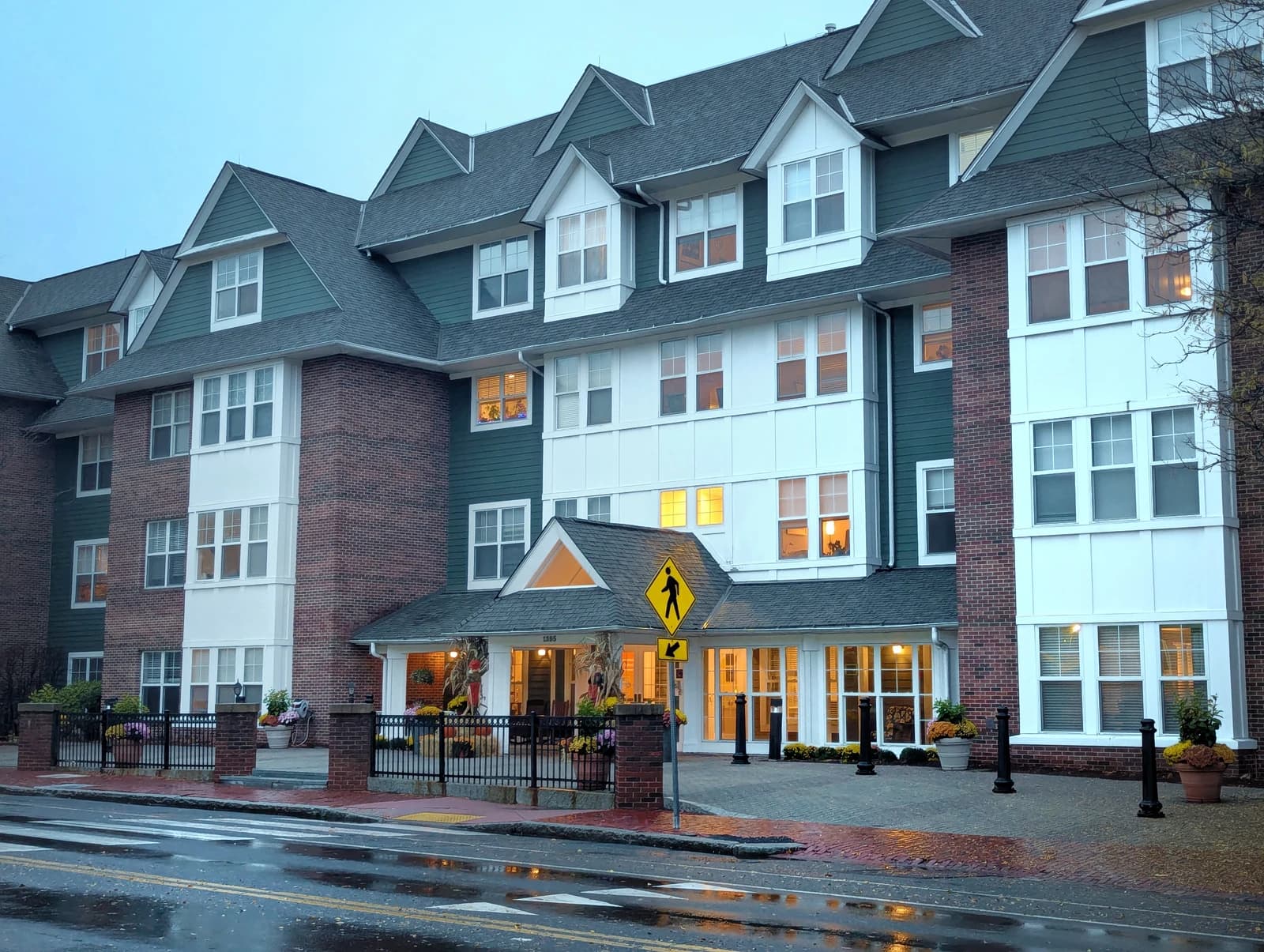
The senior housing owner raised adjusted funds from operations guidance to $0.97 to $0.99 a share after a third quarter that underscored the strength of its partner-led acquisition model, resident entrance fees and debt-free structure. For investors, the key issue is not just that earnings are improving, but that Janus is compounding in a capital-intensive industry without relying on leverage, a distinction that can matter more as borrowing costs stay elevated.
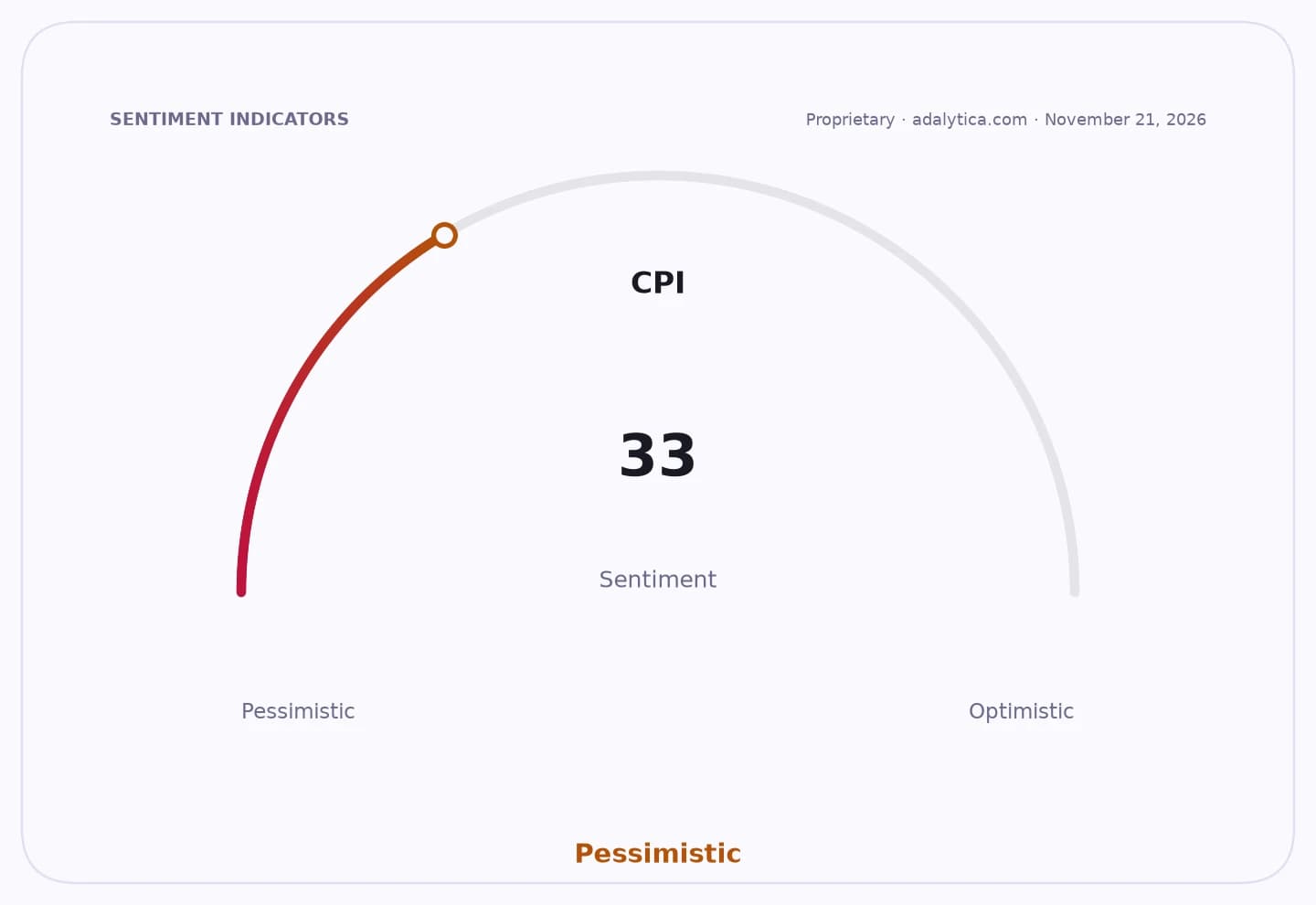
Sentiment Indicators
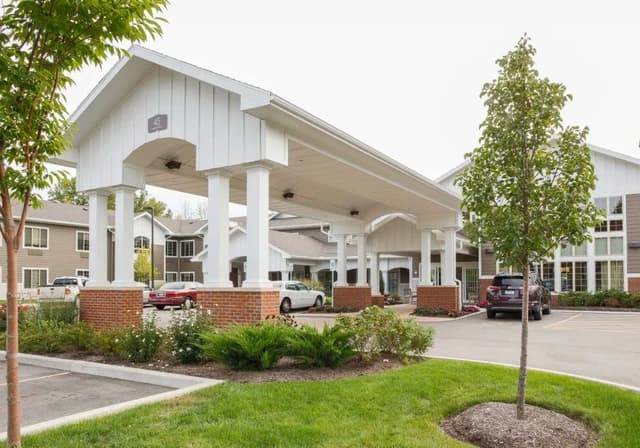
Management said operating partners helped source and close $2.9 billion of acquisitions year to date, as Janus continues to buy single assets and small portfolios rather than entire platforms. That approach can preserve underwriting discipline and support initial property returns above 6%, while avoiding the kind of acquisition premium and integration risk that often erode returns in roll-up strategies.
The model also benefits from Life Plan communities, where residents pay nonrefundable entrance fees upfront. Janus said cash entry fees have exceeded the amortized amount recognized in earnings for 22 consecutive quarters, including by $17 million last quarter alone, a cushion that supports operating cash flow and helps explain why reported earnings may understate the economics of the business.
That becomes more valuable when interest rates are high. Chief executive Scott Brinker said rising rates make cap-rate compression less likely and make new development harder to justify, which can slow supply and improve pricing power for existing owners. In a sector where heavily levered competitors face higher debt service and refinancing pressure, Janus’ zero-debt balance sheet removes a major drag on returns and reduces sensitivity to rate volatility.
The macro backdrop supports that view. Treasury market signals remain unsettled, while the dollar has weakened sharply in recent sessions, reflecting shifting expectations for policy and growth. At the property level, the broader housing market is also showing divergence as financing conditions squeeze secondary-market transactions more than primary listings. For senior housing, the common thread is affordability pressure for buyers and developers that can favor owners with permanent capital and limited debt.
Janus also said occupancy is approaching 90%, a level that suggests the industry’s supply-demand balance is tightening. With barriers to new construction still high and rental pricing discipline holding, the company appears positioned to benefit from both occupancy gains and an expanding partner network.
The bull case is straightforward: a debt-free balance sheet, an acquisition pipeline that has already scaled to billions of dollars, and recurring resident-fee cash flow could support continued FFO growth and multiple expansion. The bear case is that the stock’s recent advance has already priced in a good deal of optimism, and with the shares near the upper end of their recent trading range, execution will need to stay clean for the premium story to hold. For now, Janus is making the case that in a higher-rate world, the best capital structure can be as important as the best assets.
| Entity | Gains | Losses |
|---|---|---|
| Janus Living | ▲Higher FFO, lower rate risk | ▼Needs continued execution |
| Levered senior housing rivals | ▲Less competition from debt-free buyer | ▼Higher financing costs |
| Existing senior housing owners | ▲Better pricing power | ▼Slower supply growth |
| Long-term shareholders | ▲Compounding without leverage | ▼Richer valuation if growth stalls |