Realty Income’s latest quarter gave income investors exactly what they want from a REIT: steady growth, a modest guidance raise and another dividend increase, all despite a higher-rate backdrop that has punished the stock since 2020.
Realty Income raises dividend after Q3 update

That combination matters because Realty Income is not trying to win by excitement. It wins by compounding. In a market where the 10-year Treasury has climbed toward 5% and the Fed funds rate has been pushed back up to about 3.9%, borrowing is more expensive and capital is less forgiving. For a net-lease landlord, that makes discipline more important than drama. Realty Income’s third quarter showed it still has that discipline.
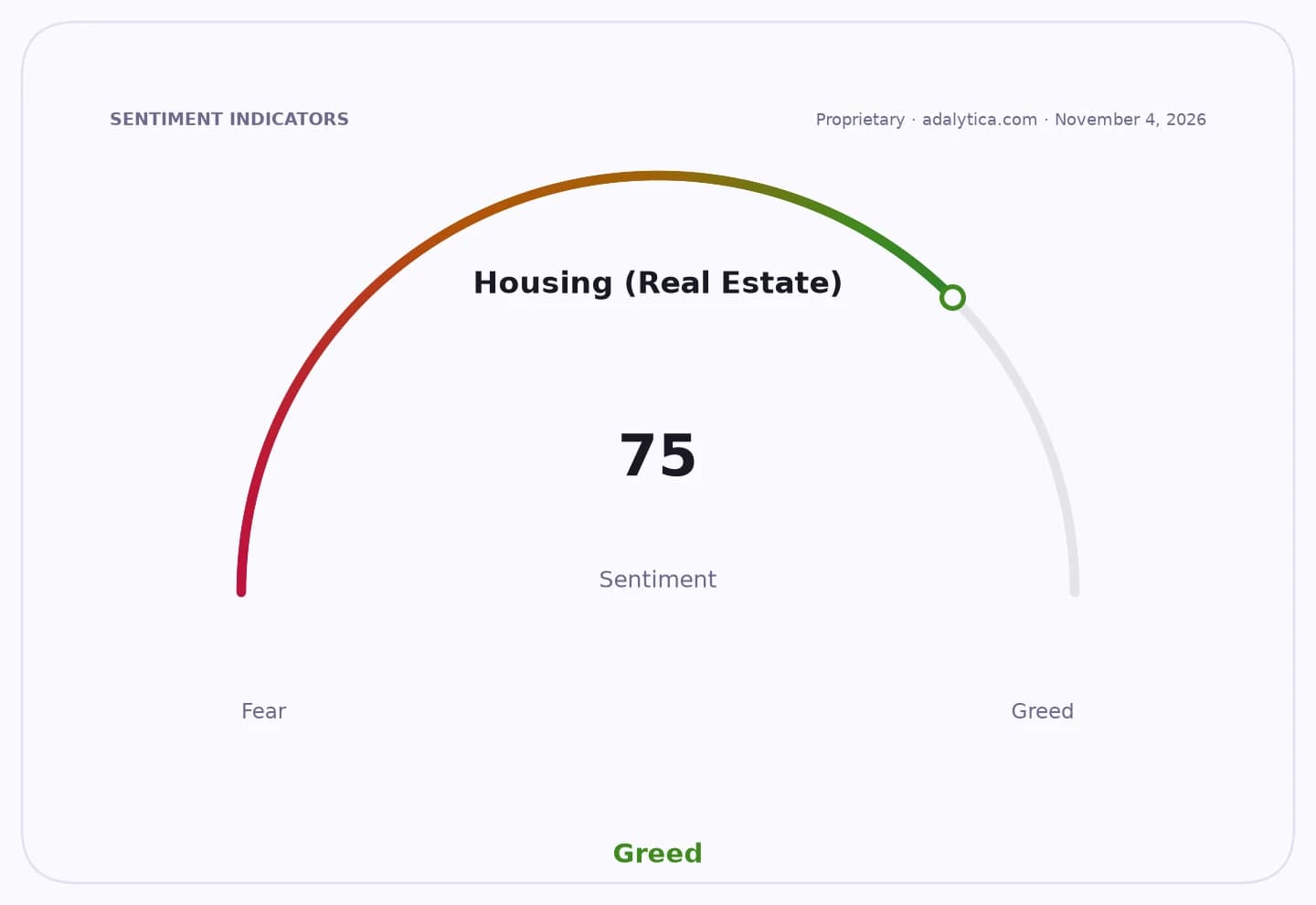
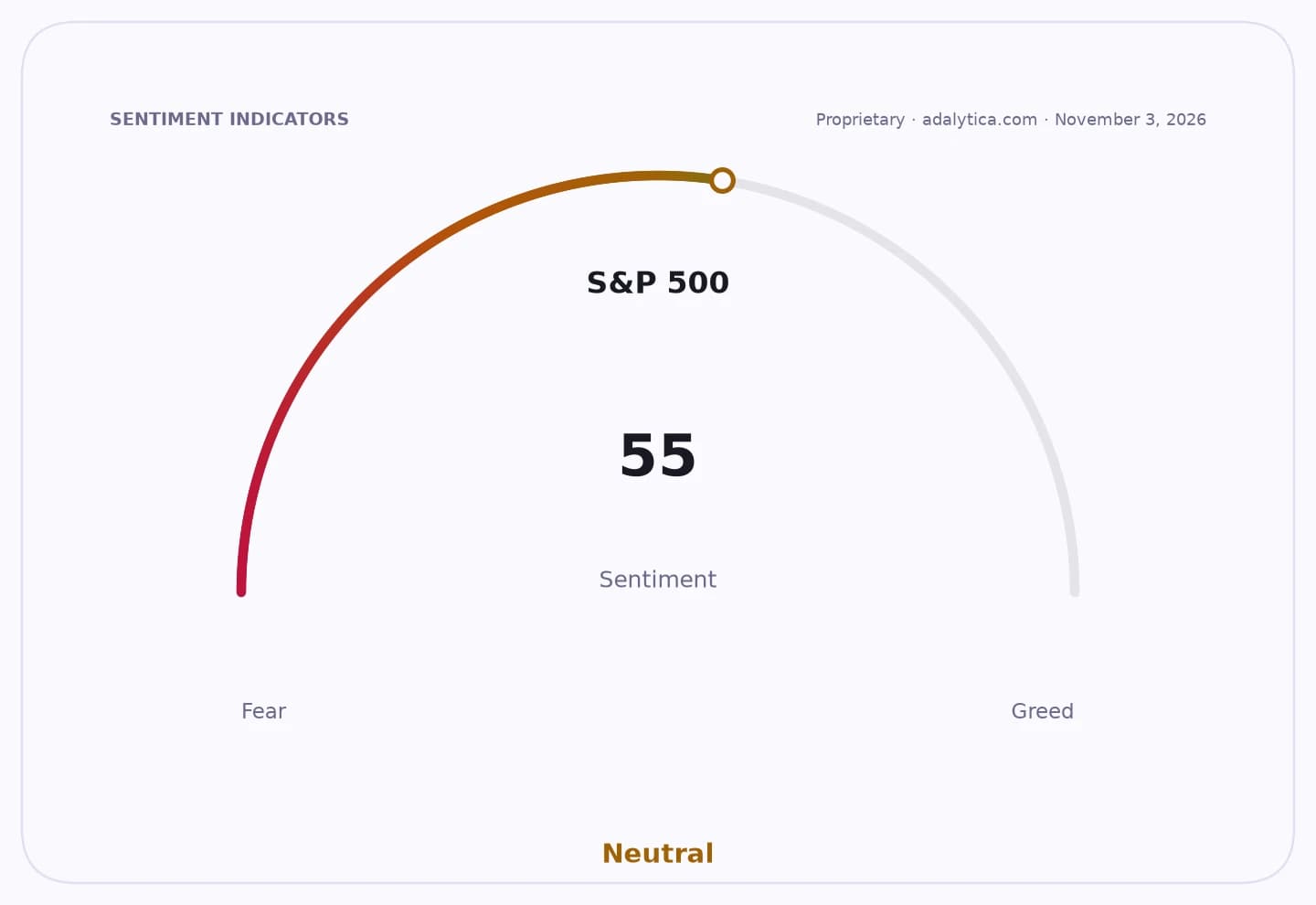
Sentiment Indicators
The company said it made $2.6 billion in profitable investments during the period at a 170-basis-point spread, a sign it can still create value even as financing costs rise. That is the real story for long-term investors. Realty Income’s scale — more than 15,500 properties across a globally diversified portfolio — gives it access to deals many smaller REITs simply cannot reach. Its investment-grade balance sheet helps keep funding available, and it has broadened its capital sources through property sales and an institutional asset-management business.
The earnings report also reinforced the durability of the underlying property portfolio. Realty Income kept its occupancy outlook at 98.5%, and the latest filing showed the portfolio was 98.8% leased as of Sept. 30. Same-store rent growth remained in a narrow but healthy 1.1% to 1.3% range, exactly the kind of predictable operating performance that supports a monthly dividend. Management also reaffirmed its $10 billion acquisition target and said it was already $7.9 billion into that goal.
For investors, the appeal is not just that the business held up. It is that the dividend keeps compounding alongside it. Realty Income raised its payout again, lifting the dividend 0.7% from a year earlier. That may not sound dramatic, but this is a company that has increased its dividend annually for 32 straight years. With an adjusted FFO payout ratio of 73%, the dividend still appears well covered.
Shares have lagged because the market has been obsessed with rates, but that can create opportunity in durable income names. Realty Income’s 5.6% yield gives investors a reliable cash-return anchor, especially for those building a diversified portfolio over many years. If you want a stock that can help balance out lower-yielding growth holdings while throwing off monthly income, this remains one of the clearest names to watch.
The long-term case has not changed: Realty Income is built for boring, and boring is exactly what dividend investors should want. After this earnings report, the stock still looks like a foundational holding for patient investors willing to let income and reinvestment do the heavy lifting. Worth watching, and worth considering for the long term.
| Entity | Gains | Losses |
|---|---|---|
| Realty Income | ▲Steady cash flow and dividend growth | ▼Slower share-price excitement |
| Dividend investors | ▲Reliable monthly income | ▼Missed upside from hotter growth stocks |
| Borrowers/REIT peers with weaker balance sheets | ▲Higher-rate pressure is exposed | ▼Cheaper capital edge narrows |
| Rate-sensitive income sellers | ▲Less reason to panic on fundamentals | ▼Harder to justify selling on yield fears |