Big Tech has driven US corporate bond sales to an annual record, with investors still lining up for debt even as Treasury yields hover near multi-year highs and credit conditions tighten.
Big Tech drives US corporate bond sales to record

The surge matters because it shows how the biggest technology groups are reshaping funding markets at the same time as borrowing costs remain elevated. That combination is helping lift total issuance to record levels, but it also means more supply has to be absorbed by buyers already weighing whether today’s yields adequately compensate them for duration risk and richer corporate leverage.
Sentiment Indicators
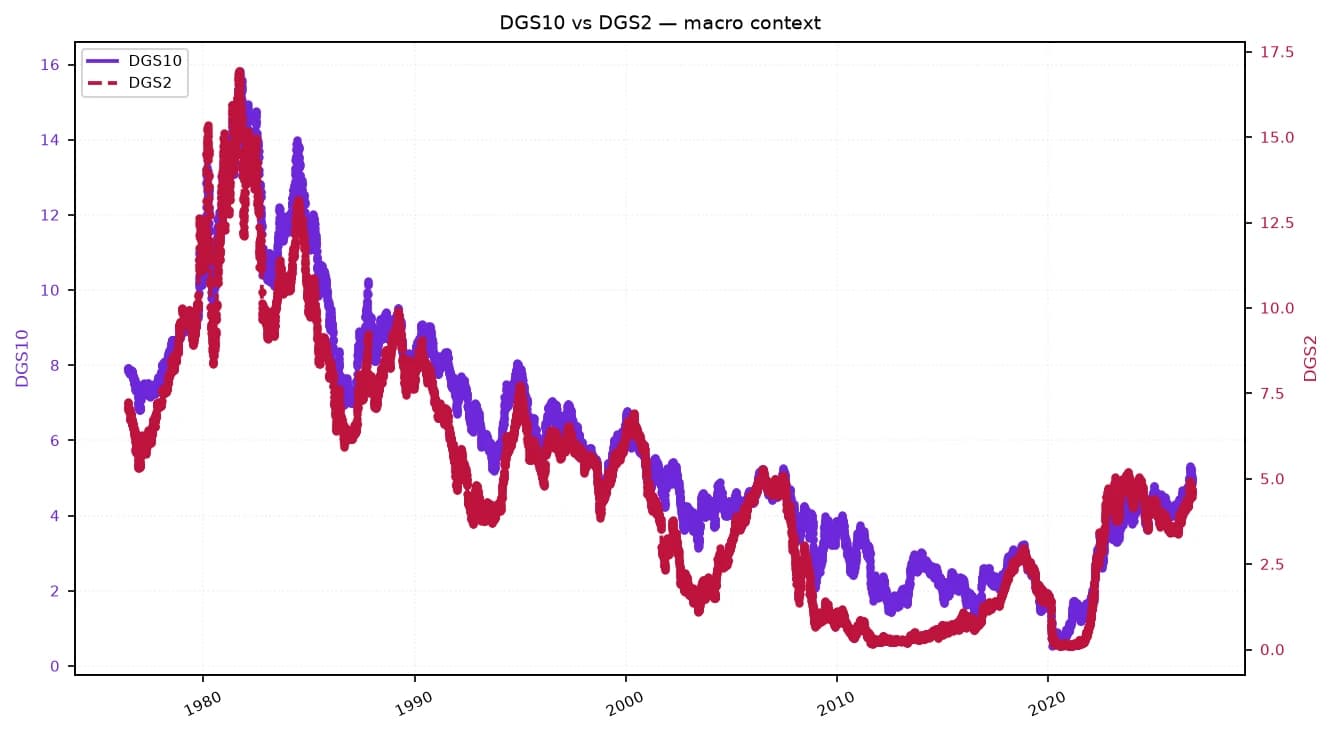
The backdrop is a US rates market that remains unforgiving. The 10-year Treasury yield was around 4.88% on Nov. 9, while the two-year note yielded 4.56%, levels that keep financing costs materially above the ultra-cheap funding era that dominated much of the last decade. High-yield credit conditions have also been less forgiving, with the ICE BofA high-yield option-adjusted spread at 3.34 percentage points on Nov. 9, above its tighter readings earlier this year. In practical terms, companies are issuing into a market where investors demand real income, not just growth stories.
That has not stopped the largest technology companies from tapping debt. Apple, Alphabet, Meta and Oracle all have had recent or pending financing activity, underscoring a shift in how cash-rich firms are balancing investment needs, shareholder returns and balance-sheet strategy. Meta raised nearly $25 billion in net proceeds from notes earlier this year, while Oracle has also sold multiple tranches of debt. For the companies themselves, the appeal is straightforward: even with higher coupons, debt can still be cheaper and more flexible than giving up equity, especially for firms with durable cash flow and strong access to capital.
For investors, the record supply is a two-sided trade. On one hand, investment-grade bonds from dominant tech franchises remain among the most coveted assets in public credit because their balance sheets and earnings power can support large borrowings. LQD, the iShares investment-grade corporate bond ETF, has held above its 50-day moving average and closed at 103.88 on Nov. 10, suggesting the broader investment-grade market has so far absorbed the new issuance without major stress. On the other hand, the wall of supply raises the risk that spreads may need to cheapen further to clear the market, particularly if Treasury yields keep climbing or if inflation data keeps delaying expectations for easier policy.
The contrast with lower-rated credit is sharper. HYG, the iShares high-yield ETF, finished at 77.18 on Nov. 10, near its 50-day moving average and below its 200-day average, a sign that speculative-grade demand is more fragile than the investment-grade market’s. That divergence matters because it hints that the bond boom is being led by the strongest borrowers, not by broad-based confidence in corporate credit.
The narrative behind the record is not simply that Big Tech needs money. It is that a narrow set of cash-rich, systemically important companies is now using the bond market as a core financing tool at a time when rates are high, artificial intelligence spending is exploding and equity investors continue to reward capital returns. If Treasury yields stay near current levels, the record may prove less a one-off than the new normal: more large-cap technology issuance, more supply pressure for credit investors and a market increasingly shaped by the funding needs of a handful of megacap borrowers.
| Entity | Gains | Losses |
|---|---|---|
| Big Tech issuers | ▲Cheaper access to large-scale funding | ▼Higher coupons than past decade |
| Investment-grade bond buyers | ▲Yield from top-tier credits | ▼More supply to absorb |
| High-yield borrowers | ▲Spillover demand from credit investors | ▼Relative crowding out |
| Treasury market | ▲More reference-yield activity | ▼Higher rates pressure issuance costs |