The US Treasury is signaling it may adjust auction sizes as early as 2027, a shift that matters because any reduction in long-dated issuance would directly ease a market that has been stretched by higher deficits, heavier supply and investors’ growing sensitivity to duration risk.
Treasury may adjust auction sizes by 2027

For bond investors, the prospect is important less for what it changes immediately than for what it suggests about the government’s funding strategy. Treasury borrowing needs have remained elevated, but the department is now hinting that it is willing to revisit the mix of bills, notes and bonds rather than simply keep enlarging auctions across the curve. Dealers have focused especially on the long end, where supply is most likely to determine term premiums and where even modest changes can alter demand from pension funds, insurers and foreign reserve managers.
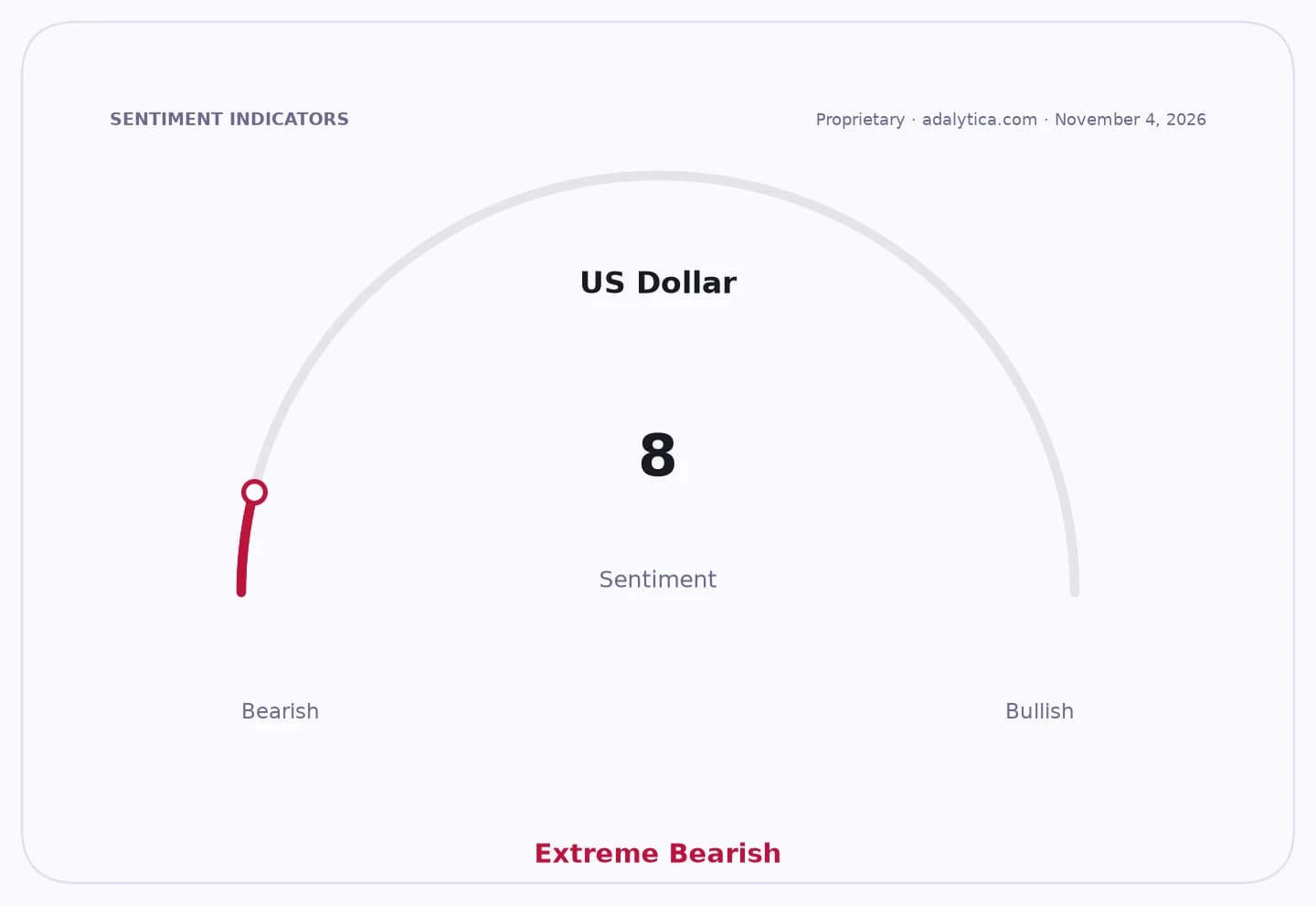
Sentiment Indicators
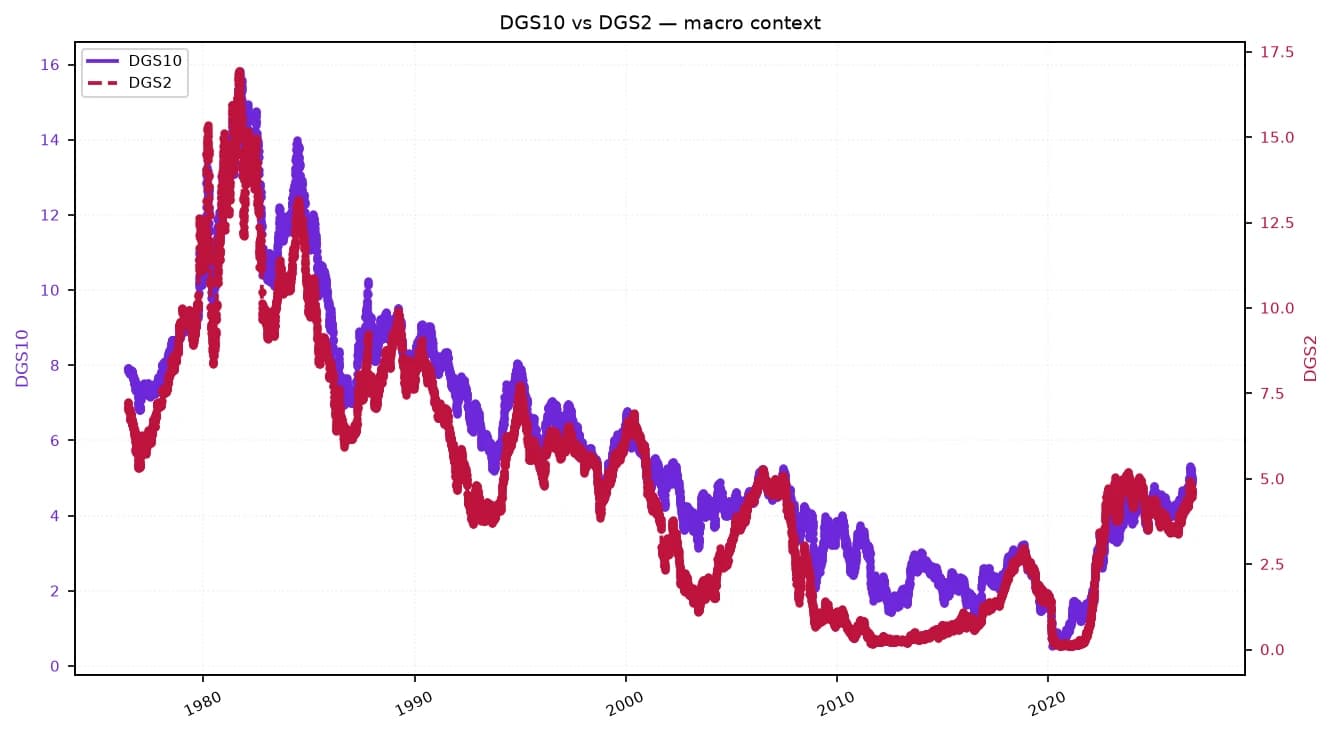
That matters for the broader economy because Treasury supply is the pricing benchmark for nearly every other US asset. Long-bond yields feed into mortgage rates, corporate borrowing costs and the valuation of duration-sensitive sectors. The 10-year Treasury yield was around 4.84% in the latest data, while the two-year sat near 4.46%, leaving a still-steep but narrowing curve that reflects expectations for a slower economy and eventual policy easing. Fed funds are projected near 3.89% for November, implying that monetary policy may be coming off its most restrictive setting, but funding costs remain high enough that supply changes at the long end could have an outsized effect on sentiment.
The market reaction in Treasuries underscores that point. TLT, the long-duration Treasury ETF, has climbed to about 81.9 from below 80 in late October, while the intermediate-duration IEF has also firmed to 91.9, suggesting investors are positioning for some relief in yields and perhaps a better supply backdrop. Conventional technical indicators on both funds show firm short-term momentum, with TLT trading above its 50-day moving average and its RSI near 70, while IEF has pushed back above its 50-day average as its RSI reached the low 70s. That kind of move typically reflects stronger demand for duration, but it also leaves room for disappointment if Treasury does not follow through with meaningful auction changes.
The stakes are especially high for primary dealers and investors who finance Treasury inventory with leverage. If the Treasury trims long-bond issuance, it could tighten supply and support prices at the back end of the curve. If it merely shifts issuance toward shorter maturities, the effect would be less powerful and may not materially alter the market’s supply burden. For banks, asset managers and hedge funds that hedge balance sheets against rate moves, the exact mix will matter more than the headline of “smaller auctions.”
There is also a policy angle. Any reduction in auction sizes would likely be framed as technical debt management, not a broader retreat from financing deficits. But investors will read it as an acknowledgment that the post-pandemic issuance surge cannot continue indefinitely without pressuring term premiums. That is particularly relevant after recent Treasury language changes suggested officials are more open to altering auction sizes, which has been enough to move markets even before any formal announcement.
The next catalyst is the Treasury’s actual quarterly refunding guidance. If officials lean into lower long-bond supply, it could extend the rally in Treasuries and give duration-heavy portfolios another tailwind. If they hold the line, yields may need to do more of the work in clearing supply, leaving bond bulls vulnerable to a reversal.
| Entity | Gains | Losses |
|---|---|---|
| Long-bond investors | ▲Tighter supply | ▼Less yield concession |
| Treasury Department | ▲Flexibility in funding mix | ▼Political scrutiny over deficits |
| Primary dealers | ▲Clearer issuance path | ▼Inventory and hedging risk |
| Borrowers tied to rates | ▲Potentially lower benchmark yields | ▼Continued high financing costs |