The 10-year Treasury yield is back near 5%, underscoring how stubborn inflation and a still-resilient economy are keeping long-term borrowing costs elevated even as the Federal Reserve prepares another rate decision.
10-Year Treasury Yield Nears 5% Before Fed Decision
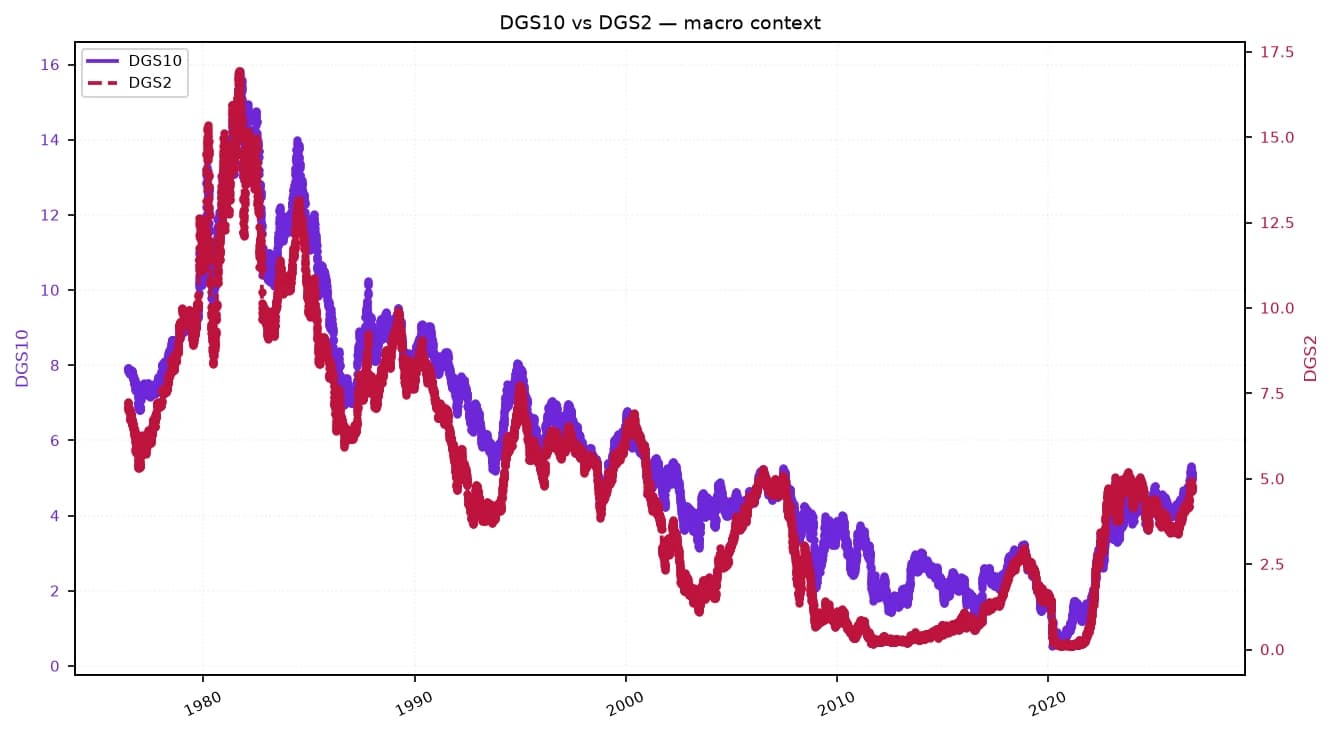
That matters because the 10-year yield is the benchmark for mortgages, corporate debt and a wide range of asset valuations. At 4.91% on Nov. 4 and a forecast 4.891% for Nov. 5, the yield is hovering just below the psychologically important 5% level after surging more than 570% from the 0.73% lows reached in March 2020.
Sentiment Indicators
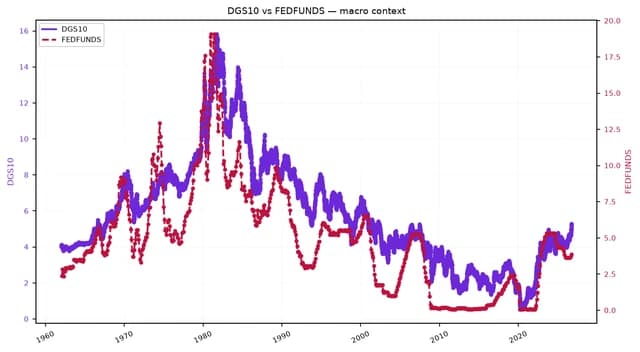
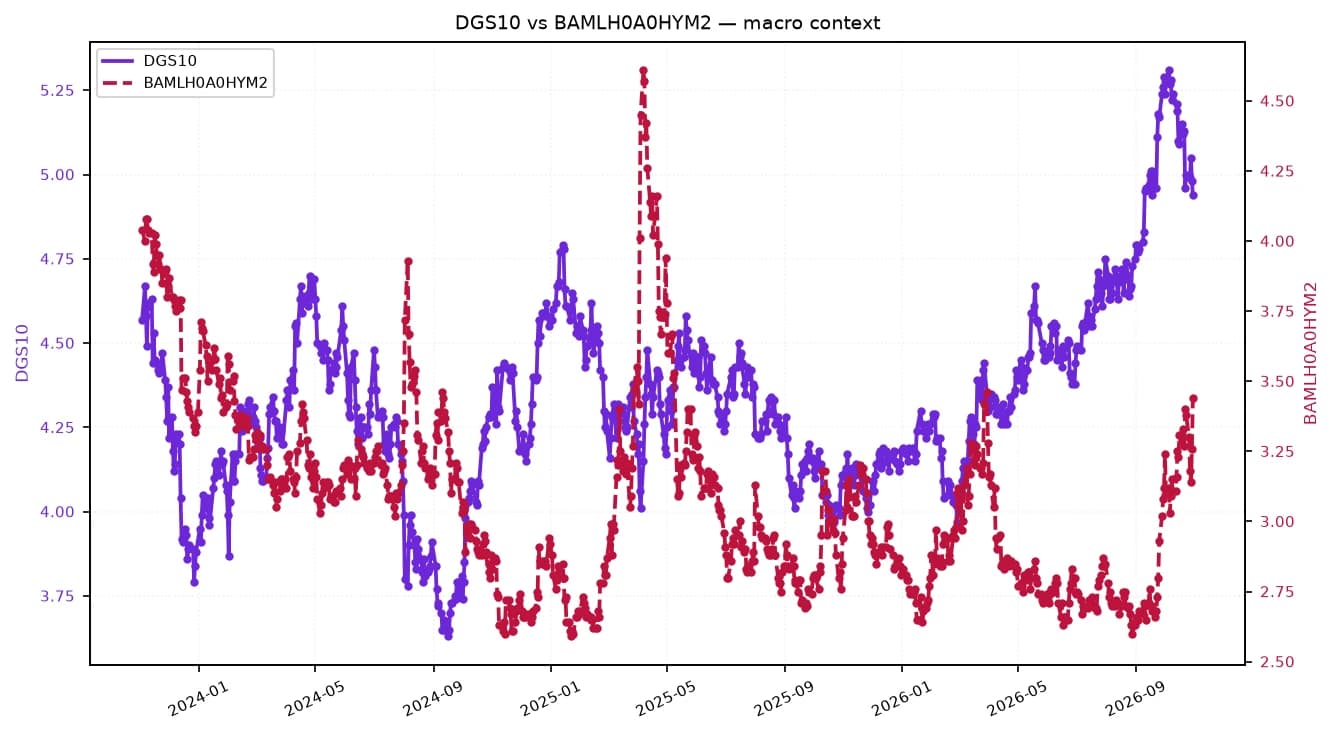
The move reflects a market that still sees policy staying restrictive for longer. The Fed funds rate is projected at 3.89% for November, while the 10-year yield is trading well above that, a sign investors want a premium to hold long-dated government debt in the face of persistent inflation and large fiscal deficits.
Inflation has not gone away. The consumer price index stood at 336.298 in September, up from 333.979 in May, and the combination of firmer prices and a resilient labor market has kept Treasury investors wary of betting on quick easing. A stronger-than-expected economy also reduces the urgency for the Fed to cut rates aggressively.
Bond funds have felt the pressure. TLT, the iShares 20+ Year Treasury Bond ETF, fell to 81.93 on Nov. 5 from 84.07 in January, even after a recent rebound, while its 50-day moving average sits near 80.38 and the 200-day average around 83.46. The ETF’s RSI is near 64 and its MACD has turned positive, suggesting the recent bounce is improving momentum, but the longer trend is still below the 200-day average.
Intermediate-duration Treasuries have also stabilized but remain under strain. IEF, the 7-10 Year Treasury ETF, closed at 91.97, below its 200-day average of 92.76, while short-duration SHY was little changed at 81.67, reflecting how the market remains far more sensitive to longer maturities.
For investors, the stakes go beyond bond prices. A 10-year yield near 5% raises the discount rate used to value stocks, pressures rate-sensitive sectors such as homebuilders and utilities, and keeps financing costs elevated for companies rolling over debt. It also boosts the appeal of cash-like Treasury income relative to equities, especially when growth stocks are priced on expectations of earnings far into the future.
The next catalyst is the Fed’s policy announcement and guidance on how long officials intend to hold rates high. If the central bank signals patience rather than an imminent cut, the 10-year yield could stay pinned near recent highs and extend the drag on bonds, leverage and equity valuations.
| Entity | Gains | Losses |
|---|---|---|
| Treasury buyers | ▲Higher yields on new debt | ▼Mark-to-market losses on old bonds |
| Banks | ▲Better reinvestment rates | ▼Weak bond portfolios |
| Borrowers | ▲— | ▼Higher mortgage and corporate rates |
| Equities | ▲— | ▼Higher discount rates |