Japan's prime minister is leaning toward fresh household support as rising prices and a weaker yen erode purchasing power and deepen political pressure on the government.
Japan PM Leans Toward Household Support
The shift matters because it points to a more immediate fiscal response to inflation at a time when Tokyo is already facing a delicate policy mix: the Bank of Japan is edging toward tighter monetary settings, government bond yields have climbed sharply, and voters are growing more sensitive to the cost of living. If the administration opts for cash handouts, energy subsidies or other budget support, it would cushion household consumption in the near term but add to fiscal strain and complicate the BOJ’s fight against inflation.
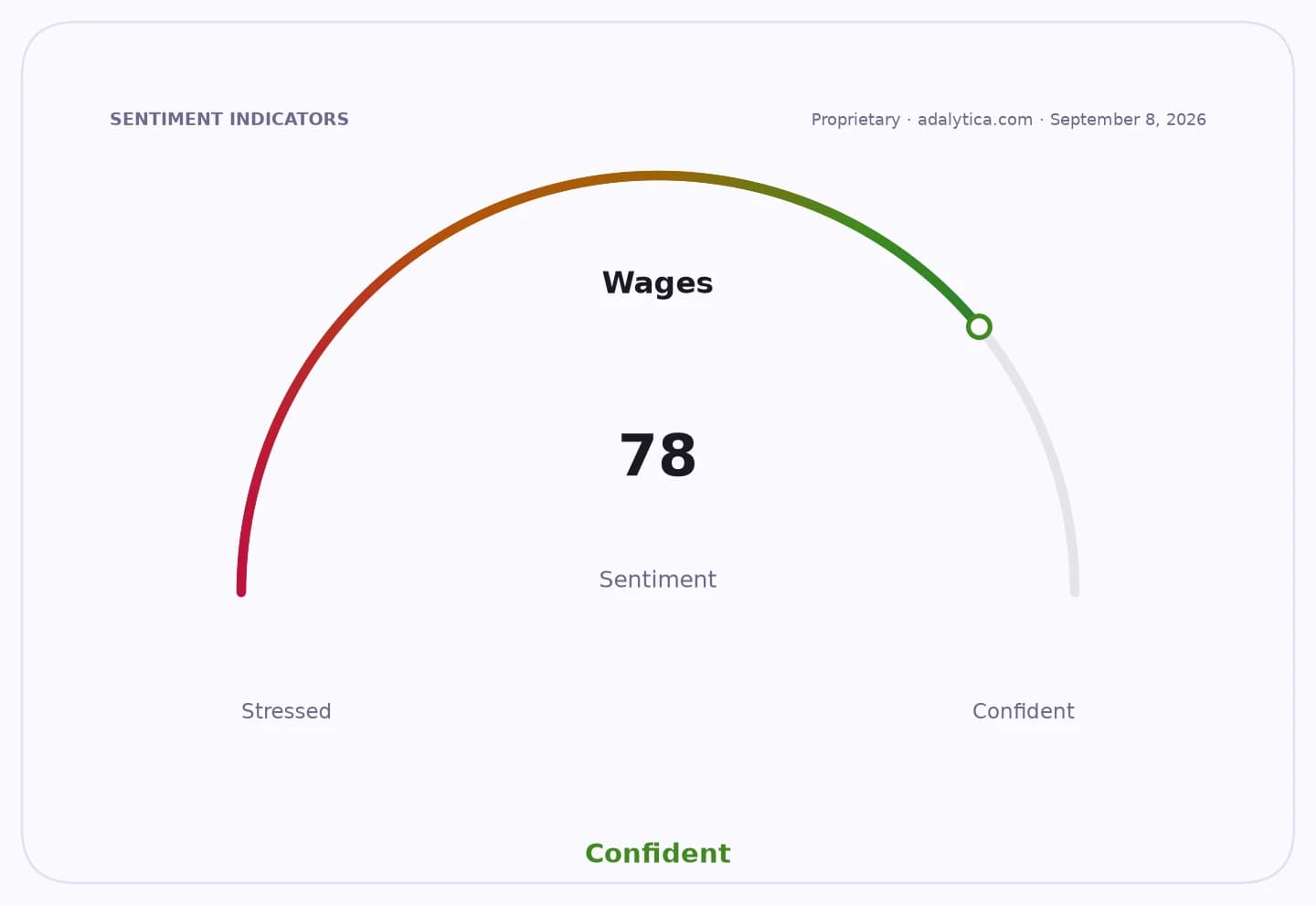
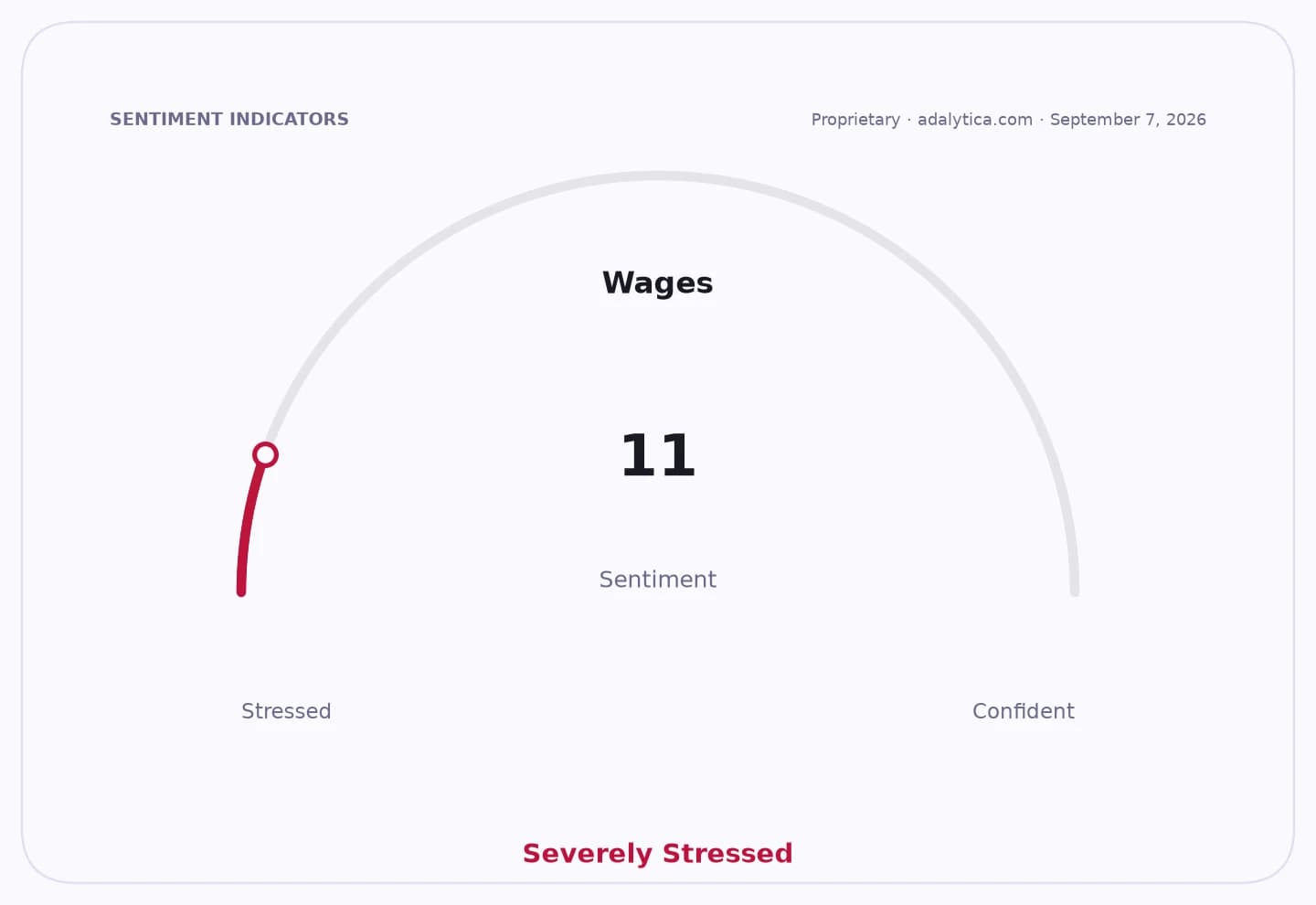
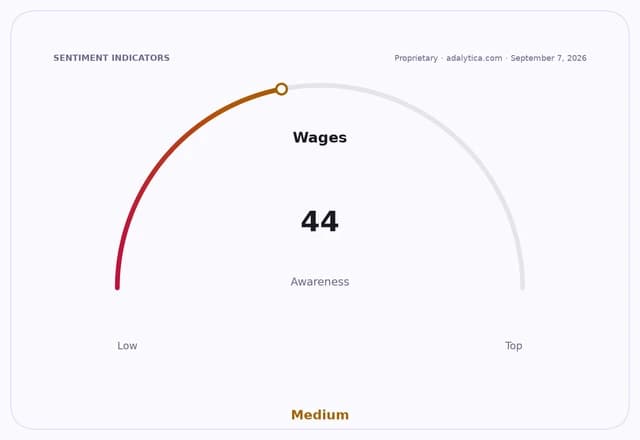
Sentiment IndicatorsⓘProprietary · adalytica.com · September 7, 2026
This is a snapshot — live sentiment, awareness and momentum for 130+ markets update continuously in the dashboard.Open AlphaPulse
The political backdrop is becoming harder to ignore. Approval ratings have been trending lower, suggesting the public is increasingly focused on everyday prices rather than headline growth. That makes affordability measures more likely, especially as the recent rise in food, utility and imported goods costs filters through household budgets. Japan’s inflation data also reinforce the pressure: consumer prices remain elevated, while the yen’s slide has made imported necessities more expensive.
Markets are already pricing in a tougher environment. The 10-year Japanese government bond yield has surged to 3% for the first time since 1996, underscoring investor concern that persistent inflation and global tightening are ending the era of ultra-cheap funding. The BOJ has signaled that rate hikes are on the table at upcoming meetings, including September, as policymakers weigh stronger services activity and a labor market that has remained tight despite the broader slowdown.
For investors, the main question is whether household support can stabilize sentiment without forcing a larger fiscal bill. Consumer-focused retailers and payment networks could see a short-term lift if transfer payments or subsidies support spending, but bondholders and yen bulls may view the policy turn as another reminder that Japan is moving deeper into a more inflation-sensitive regime. The more the government leans on fiscal relief, the more it risks reinforcing the case for higher rates and a steeper financing burden.
The next catalyst is the BOJ’s September meeting and any fiscal package the government brings forward before then. If support is modest, it may buy time for the administration to rebuild approval. If it is broad, investors are likely to focus on the cost to the budget, the yen and the long end of the bond market.
| Entity | Gains | Losses |
|---|---|---|
| Households | ▲Near-term budget relief | ▼Less pressure if support is delayed |
| Consumer retailers | ▲Better spending power | ▼Weak demand if aid disappoints |
| Japanese government bonds | ▲Short-term policy clarity | ▼Higher issuance and yield pressure |
| Yen bulls | ▲Possible policy discipline | ▼Fiscal easing and wider inflation risks |