Japan is preparing to arrange about $6.36 billion of private investment in Bangladesh over the next five years, a commitment that could help ease a persistent financing gap and deepen Tokyo’s economic stake in South Asia’s fastest-growing large markets.
Japan plans $6.36B private investment in Bangladesh
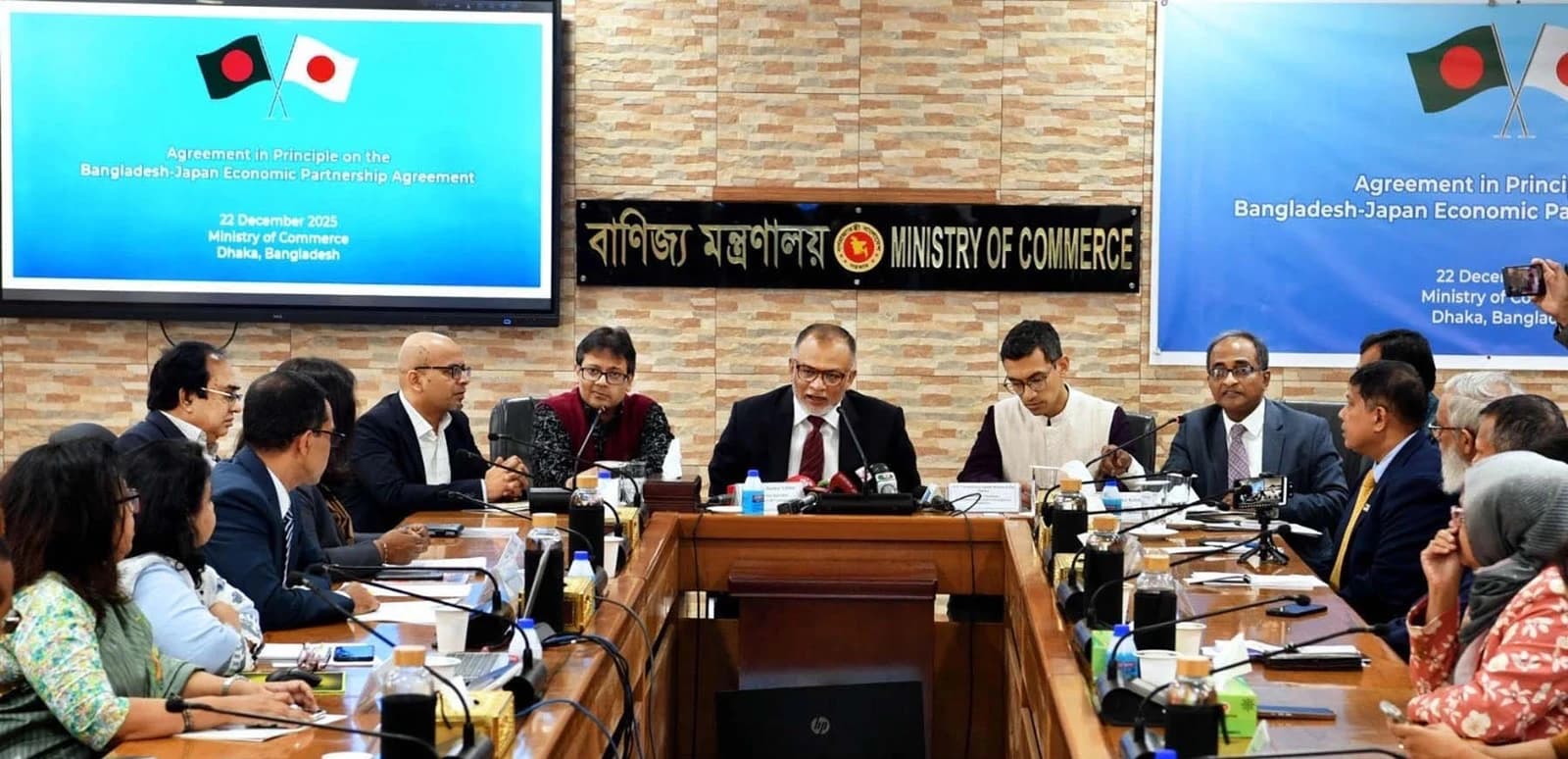
The scale of the planned investment matters because Bangladesh needs foreign capital not just for expansion, but to keep infrastructure, energy and export industries moving as domestic financing strains rise. A sustained Japanese push would bring patient capital into sectors where Bangladesh most urgently needs scale: manufacturing, logistics, power and technology. For investors, that combination is important because it points to a broader re-rating story for Bangladesh assets if capital inflows translate into better ports, steadier energy supply and stronger export competitiveness.
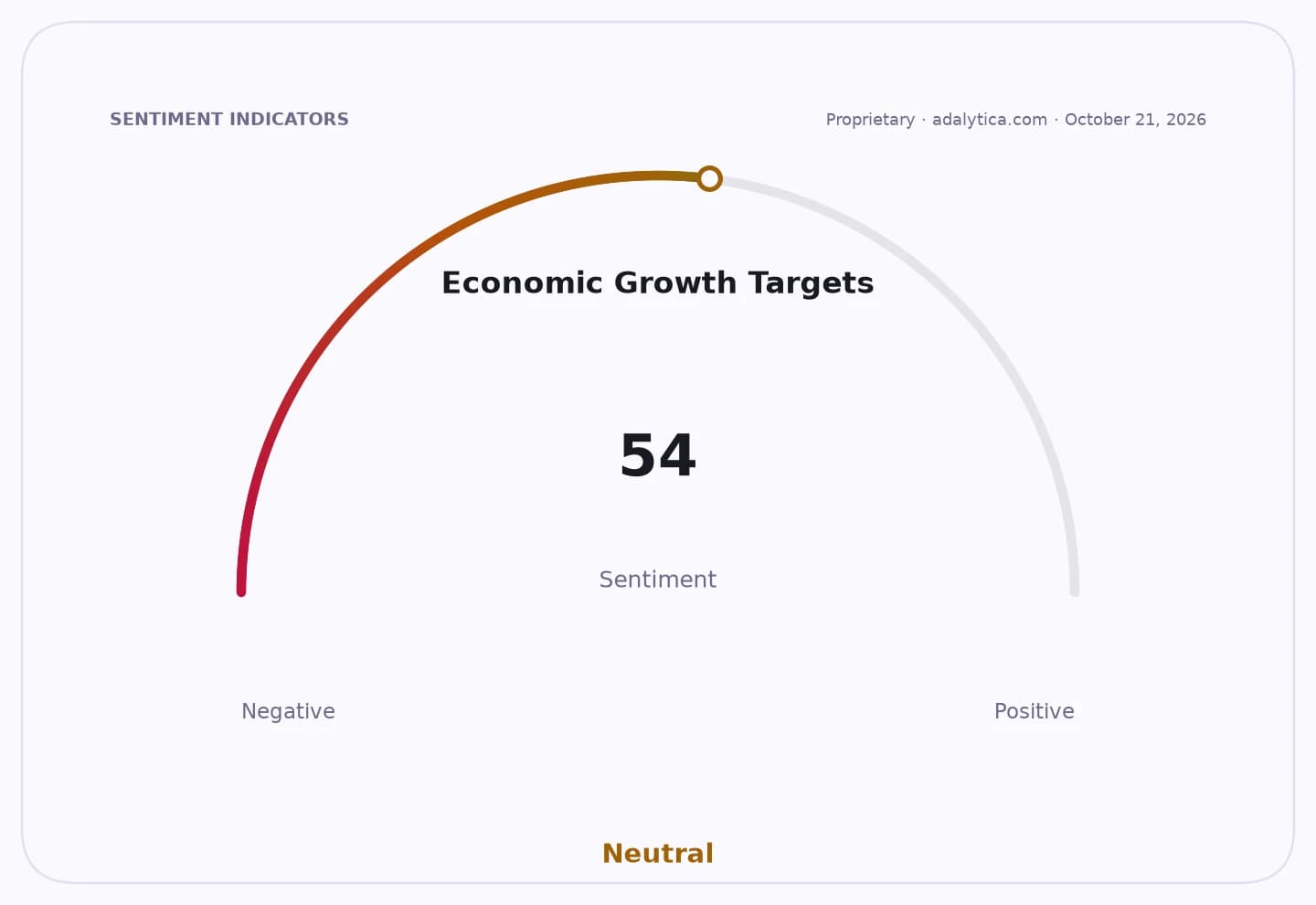
Sentiment Indicators
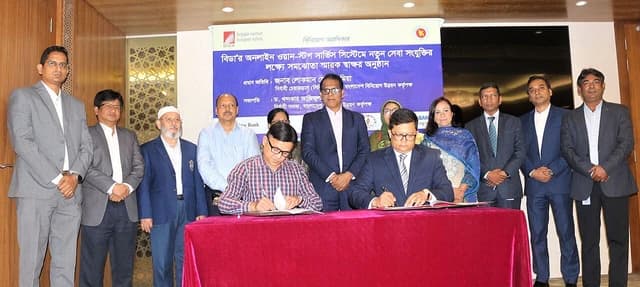
The initiative also underscores Japan’s effort to secure a larger role in the region’s supply-chain realignment. With global firms looking to diversify production away from China, Bangladesh has become more relevant as a lower-cost manufacturing base. That is why the country’s government has been courting Japanese groups such as Uniqlo and emphasizing investment in energy and infrastructure. A commitment of this size would not be a one-off transaction; it would be a multi-year signal that Japanese companies see Bangladesh as a credible destination for long-term factory, logistics and consumer-market expansion.
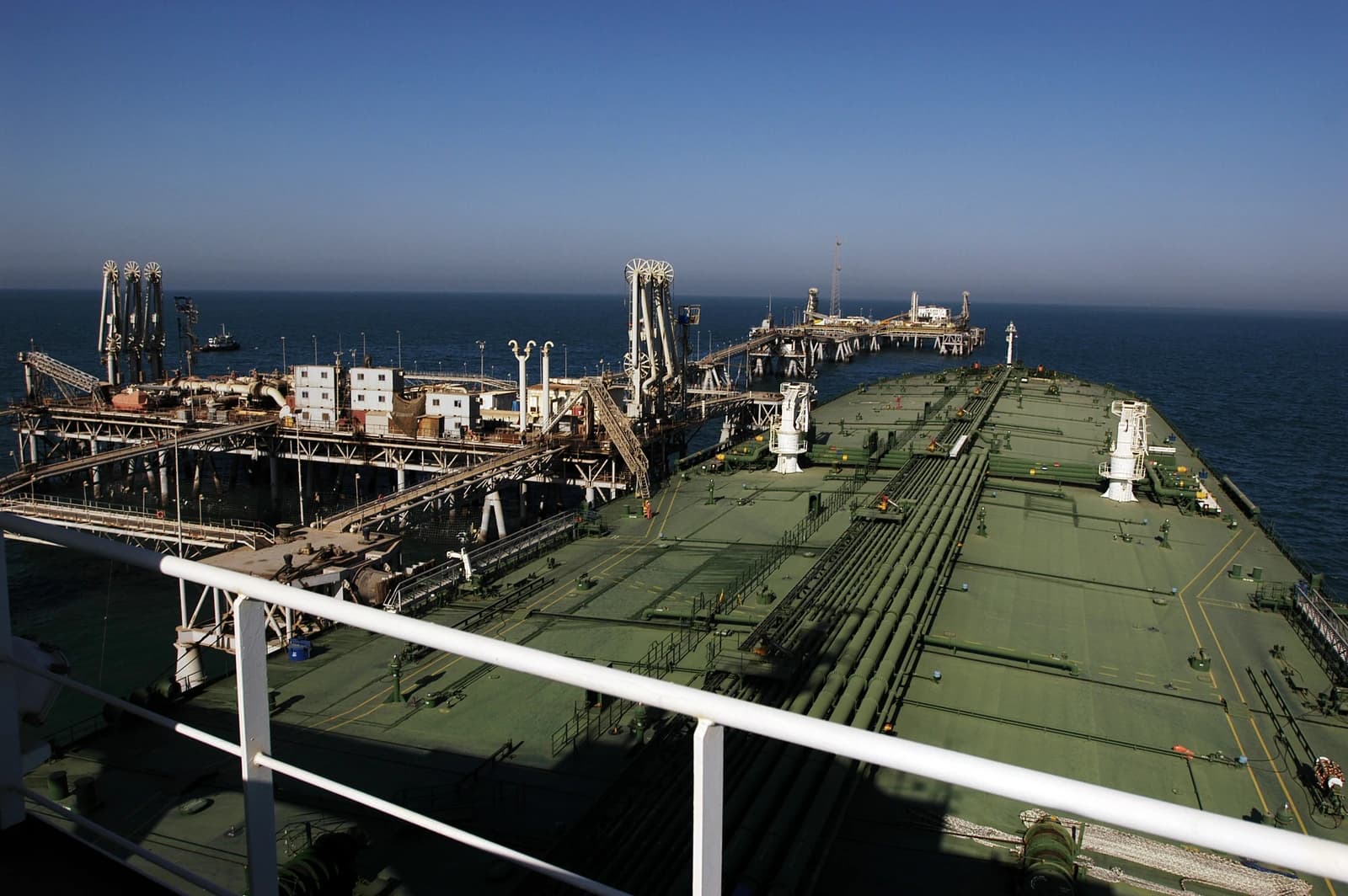
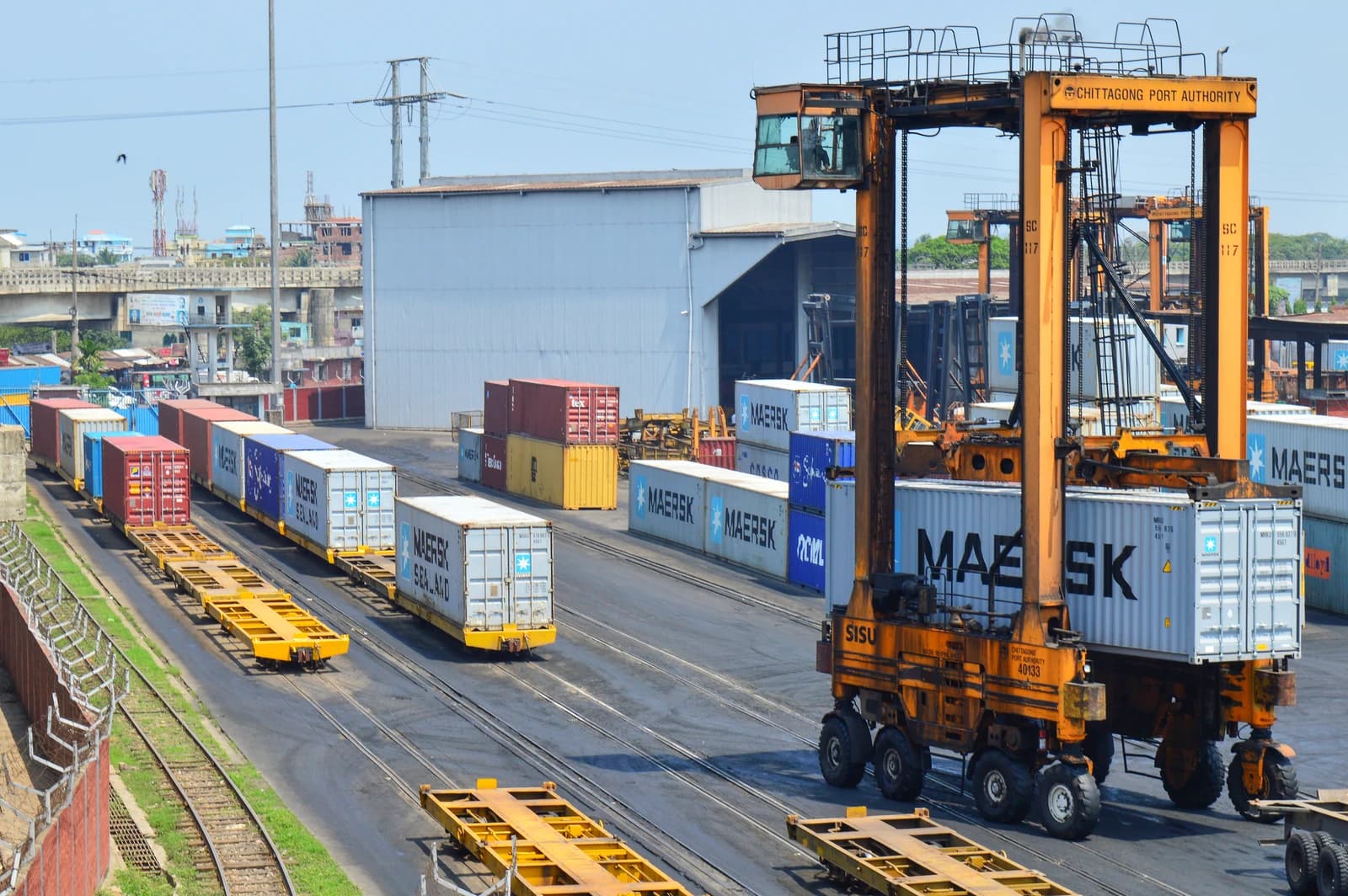
Bangladesh, however, still has to clear practical constraints before foreign capital can fully translate into growth. Port congestion, including bottlenecks at Payra Port, continues to raise transport costs and delay shipments. That is economically significant because export-oriented investors generally require predictable logistics and reliable power before committing large-scale capital. The investment pledge therefore reflects both confidence and caution: confidence in Bangladesh’s demographic and growth potential, but caution that returns will depend on whether Dhaka can fix infrastructure gaps fast enough.
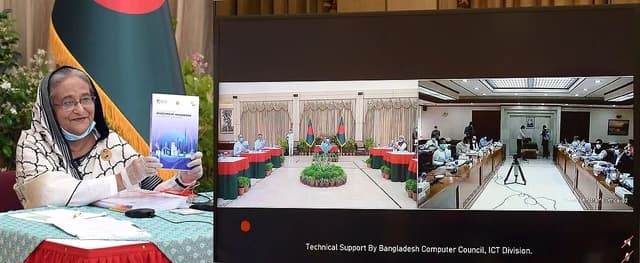
For Japan, the attraction is strategic as well as commercial. Its firms are seeking diversification opportunities in a market with rising domestic demand and a large labor force, while the government is also strengthening economic ties across Asia to support supply-chain resilience. For Bangladesh, the upside is access to foreign capital, industrial know-how and deeper trade links with a major developed economy.
The key question now is execution. If the planned investment is matched by faster project approvals, better port efficiency and improvements in power and transport, Bangladesh could attract more foreign direct investment beyond Japan. If not, the commitment risks being diluted by delays and logistics frictions. For investors, the immediate read-through is positive for Bangladesh’s medium-term growth story, but the market will want to see whether this pledge turns into capital deployment on the ground rather than another headline promise.
| Entity | Gains | Losses |
|---|---|---|
| Bangladesh government | ▲Bigger FDI inflows | ▼Pressure to fix bottlenecks |
| Japanese firms | ▲Lower-cost expansion options | ▼Execution and logistics risk |
| Exporters in Bangladesh | ▲Better industrial financing | ▼Delays if ports stay congested |
| Competing regional hubs | ▲Less capital attraction | ▼Relative investment appeal slips |