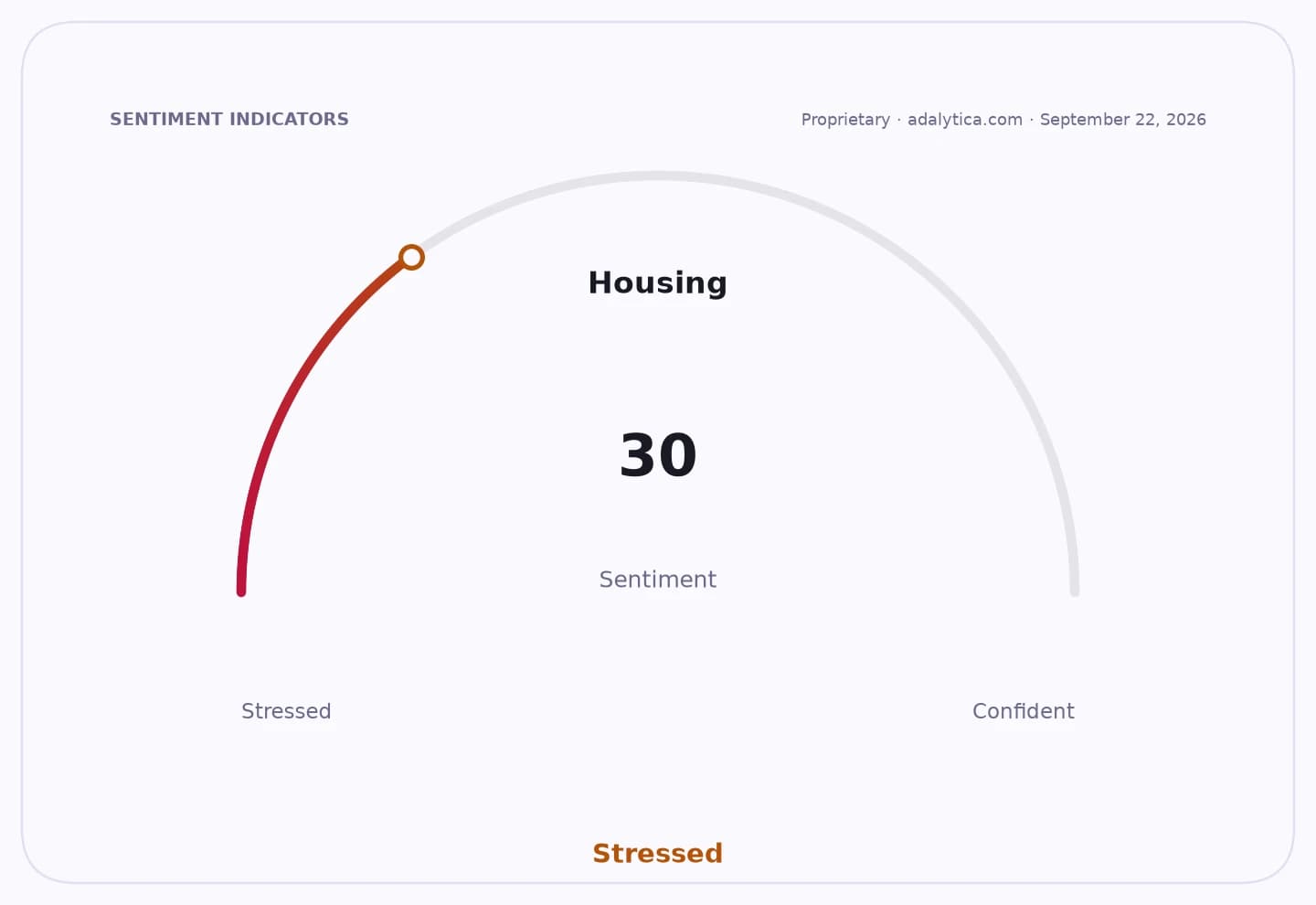
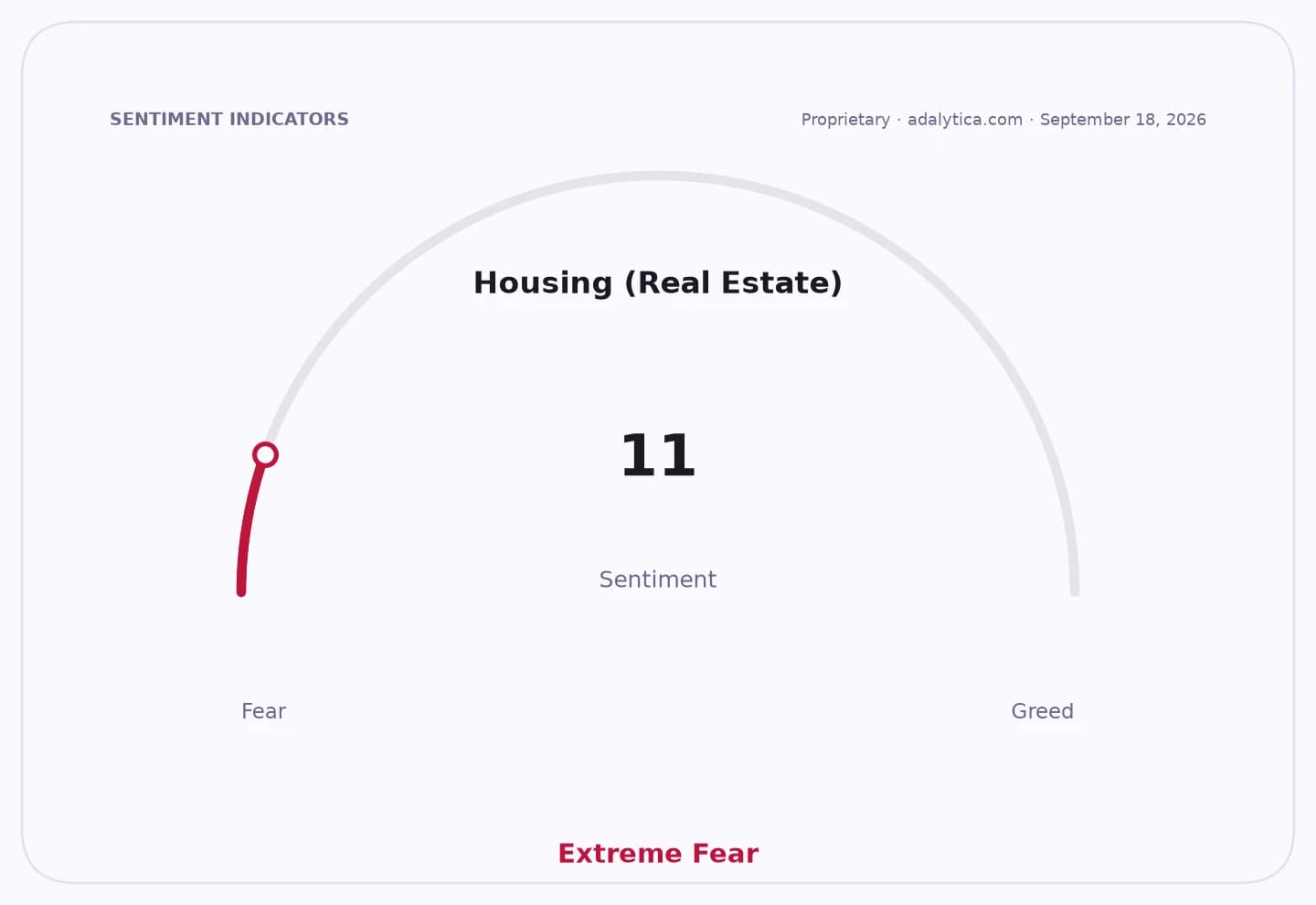
Residual-value mortgages are drawing attention in Japan as rising borrowing costs and expensive land make monthly repayments harder to manage for homebuyers and borrowers looking to refinance.
Japan residual-value mortgages draw refinance demand

The loans, known in Japan as "zanka settei-gata jūtaku rōn," let borrowers repay only the amount of a home’s value not pre-set as residual value, which can reduce monthly payments compared with a standard mortgage. That makes them most suitable for people buying in high-priced land areas, where the residual portion is larger and the payment relief is greater.
The timing matters because mortgage demand is being squeezed by higher rates. Japanese Housing Mortgage Co. said more customers are considering refinancing as interest rates rise, and that demand for loans that use land value to ease repayment is strong. The company said it launched a refinancing version of its residual-value product in July 2026.
For investors and lenders, the trend points to continued demand for affordability-linked mortgage products even as financing conditions tighten. That supports origination activity for specialized lenders and could help banks and housing-related businesses maintain volumes in markets where conventional mortgage payments are becoming less manageable.
The trade-off is that borrowers may face a larger balance risk later, depending on how the residual value is set and what happens to the property when the loan matures. The key issue for households is whether the monthly payment relief outweighs the long-term constraints on equity and repayment flexibility.
As Japan’s housing market stays pressured by high land prices and higher rates, residual-value mortgages are likely to remain a niche option for buyers in expensive locations and homeowners seeking to refinance.
| Entity | Gains | Losses |
|---|---|---|
| Homebuyers in high-priced land areas | ▲Lower monthly repayments | ▼Higher end-of-term uncertainty |
| Borrowers refinancing at higher rates | ▲Payment relief | ▼Less long-term flexibility |
| Specialized lenders such as Japan Housing Mortgage | ▲Higher product demand | ▼Greater exposure to property-value risk |
| Traditional mortgage products | ▲— | ▼Some demand diverted to niche loans |