Record-breaking rain in Fukui has struck Japan’s rice-growing belt just before harvest, threatening yields, quality and the cash flow of farms and local processors at a time when the market is already sensitive to food-supply shocks.
Japan Rice Belt Faces Harvest Rain Damage
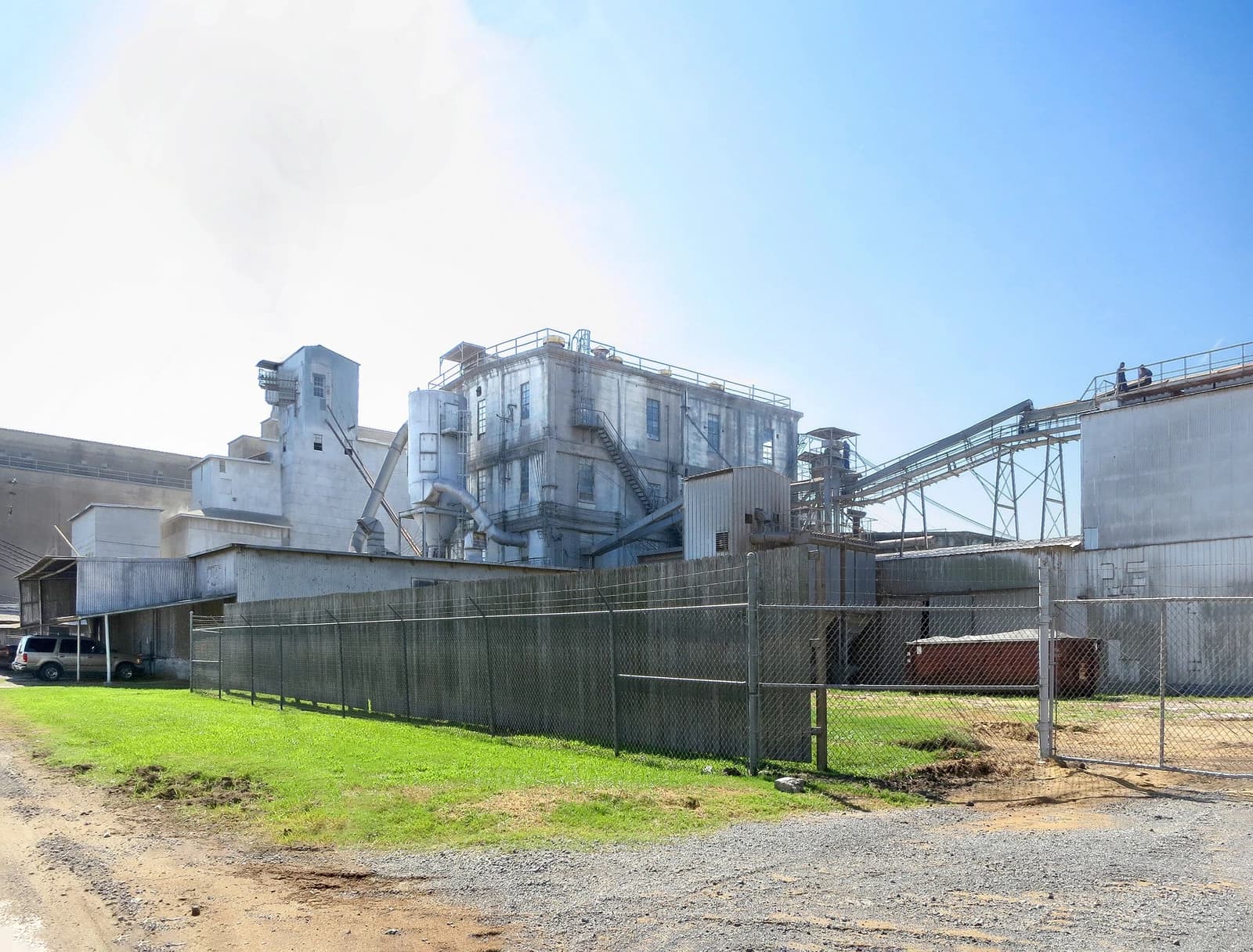
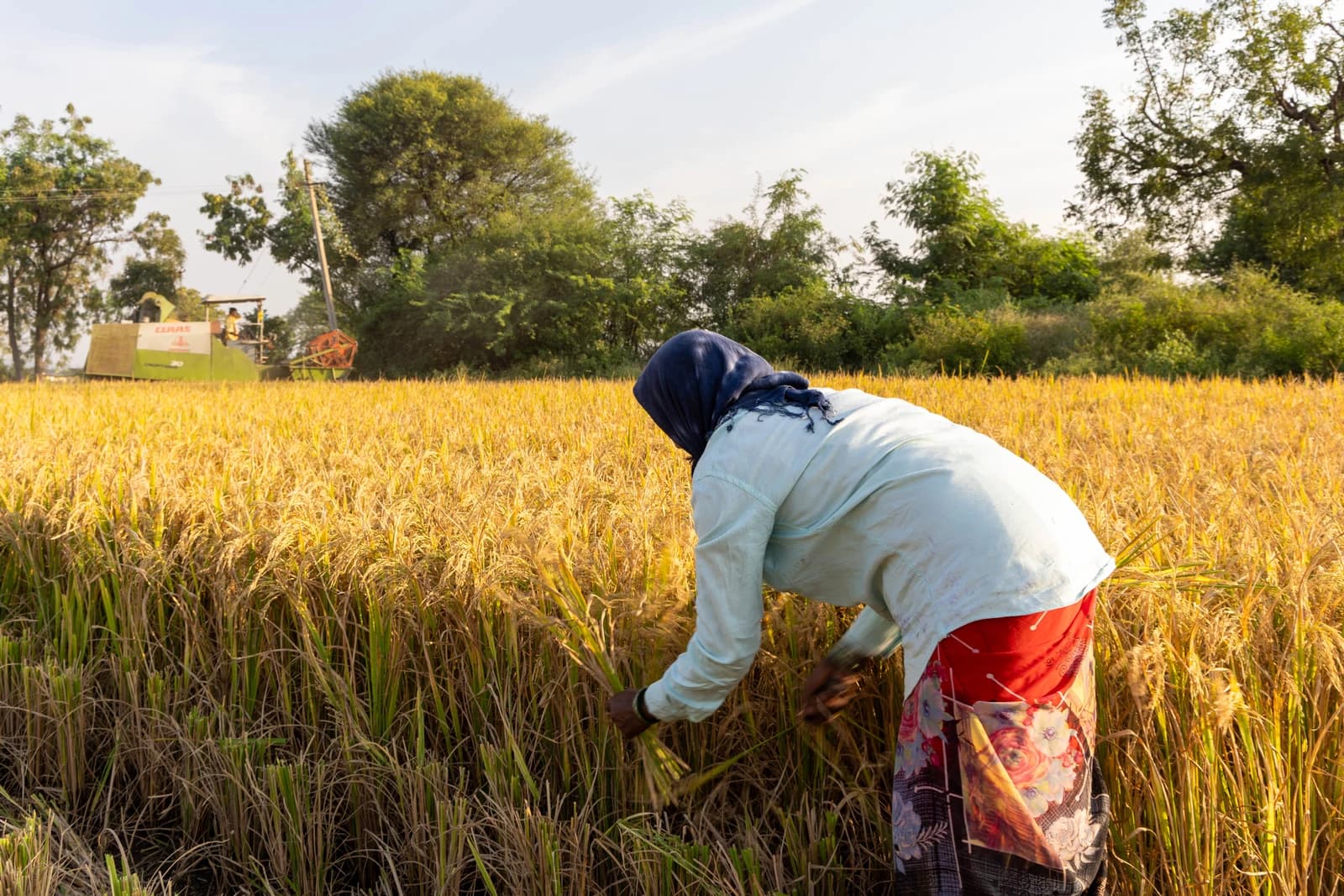
The timing matters as much as the volume. Rice that is flooded or flattened days before cutting can suffer lower milling quality, higher moisture damage and a smaller share of premium-grade grain, which directly hits farm income and local supply chains. For a region where agriculture supports storage, transport, equipment sales and food processing, even a short-lived weather event can ripple through rural industry.
The broader economic effect is twofold. First, it can tighten local supply of marketable rice and lift procurement costs for buyers trying to secure acceptable grades. Second, it adds to the inflationary pressure in food markets at a moment when households remain highly sensitive to staple-price volatility. In Japan, rice is not just another crop: it is a politically and socially important commodity, and disruptions in producing prefectures can quickly feed into national discussion about food security and import dependence.
The rainfall also lands in a market environment already pricing in weather risk across agriculture. Shares of the Invesco DB Agriculture Fund, which tracks a basket of farm commodities, have climbed to 29.34 from 24.79 in late November and are trading well above both the 50-day and 200-day moving averages. Corn and wheat futures have also pushed higher, with corn at 20.05 and wheat at 27.67, while their relative strength readings sit at elevated levels, reflecting persistent demand for protection against supply shocks.
That strength is not a direct forecast for Japanese rice prices, but it underscores how quickly weather can reprice agricultural risk. Investors typically read these moves as a reminder that crop losses are rarely isolated. A damaged harvest can boost domestic food inflation expectations, help grain traders and agricultural-input suppliers, and pressure food manufacturers and retailers facing higher raw-material costs.
There is a counterargument. If the rainfall proves localized and harvest crews can move quickly once fields drain, the damage may be limited to some quality downgrades rather than a major production shortfall. Japan’s storage and procurement systems can also smooth short-term disruptions. But with the harvest window narrow, the main risk is that even partial losses cascade into lower farmer margins and tighter supply of top-grade rice.
For investors, the key question is not whether one prefecture’s crop is ruined, but whether extreme weather is turning staple agriculture into a more volatile earnings and inflation variable. The answer will depend on harvest assessments over the coming days, the scale of downgraded rice, and whether the shock spreads to prices in wider food distribution channels.
| Entity | Gains | Losses |
|---|---|---|
| Rice importers | ▲Tighter supply support | ▼Local harvest shortfall |
| Grain traders | ▲Volatility opportunities | ▼Stable procurement costs |
| Japanese households | ▲None | ▼Higher rice prices |
| Fukui farmers and processors | ▲None | ▼Crop quality and income |