Japan’s government rice reserves have dropped to 320,000 tons after emergency releases earlier this year, forcing farm groups and policymakers to confront how quickly stocks can be restored without destabilizing the market.
Japan rice reserves fall to 320,000 tons
The issue matters because rice is not just another crop in Japan; it is a politically sensitive staple and a buffer against weather shocks, harvest disruptions and price spikes. When reserves are drawn down, the state has less room to manage a supply shortfall, and that raises the risk of volatility for food inflation, farm incomes and consumer costs.
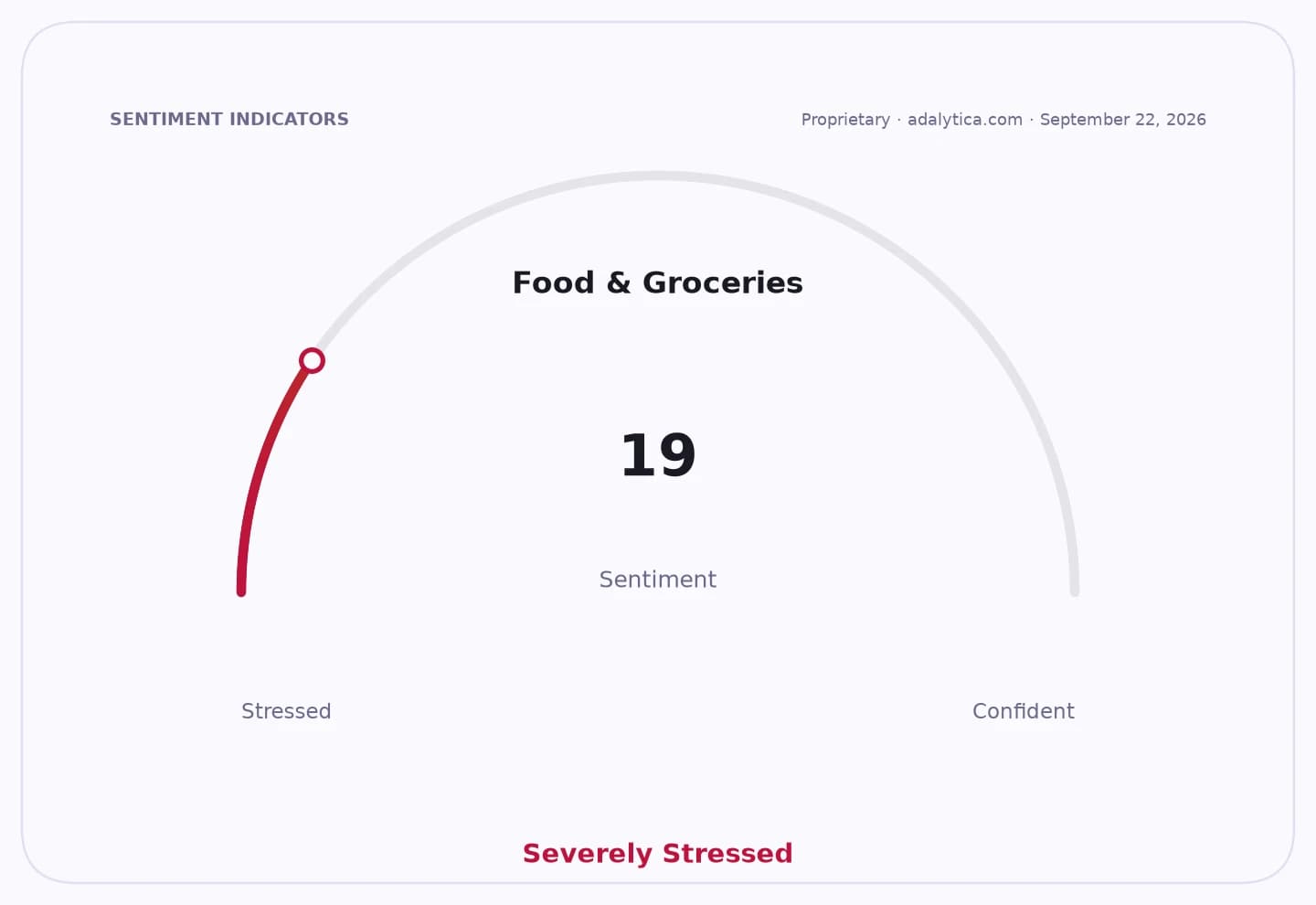
Sentiment IndicatorsⓘProprietary · adalytica.com · September 3, 2026
This is a snapshot — live sentiment, awareness and momentum for 130+ markets update continuously in the dashboard.Open AlphaPulse
JA Zenchu chairman Yoshinori Shinno said after the agriculture ministry decided to begin buying back part of the stockpiled rice it had released that authorities need to work toward a “quick recovery to appropriate levels.” The remark underscores a core tension in Japan’s rice policy: rebuilding reserves too slowly could leave the country exposed if output weakens, while rebuilding them too aggressively could tighten near-term supply and lift retail prices.
For investors, the reserve drawdown is a signal of policy sensitivity in Japan’s food chain. Any move to replenish stocks can influence rice prices, grain trading flows and broader food inflation expectations, while also shaping sentiment around agricultural input suppliers, food retailers and consumer staples margins. The market impact is indirect but real in a country where household spending power remains vulnerable to food-price moves.
The situation also reflects broader stress in the rice market. Farmers have been dealing with excess stockpiles that traders have been reluctant to absorb, even as fields face drying conditions and labor shortages complicate production. That combination of supply management problems and structural farming constraints means the reserve issue is not temporary; it points to a market still struggling to find balance between supply discipline and price stability.
If the government rebuilds reserves smoothly, it could help steady the market and reassure consumers before the next production cycle. If it misjudges the pace, Japan risks either renewed price pressure or a prolonged overhang that keeps farmers under strain.
| Entity | Gains | Losses |
|---|---|---|
| Japanese government | ▲More buffer against shortages | ▼Higher near-term policy complexity |
| Rice farmers | ▲Potential support from tighter supply management | ▼Pressure from stock overhang |
| Consumers | ▲Better supply security | ▼Risk of firmer rice prices |
| Traders/retailers | ▲Clearer policy direction | ▼Margin pressure from price swings |