Japan is preparing to revive winter utility subsidies, a reminder that the country’s housing and energy bills are still tightly linked to household income, inflation and politics.
Japan Utility Subsidies May Return for Winter
The government is considering help with electricity and gas bills from January through March, and possibly as early as December, after prices jumped once summer subsidies expired. For a typical household, the previous package shaved about 5,000 yen off bills over the July-to-September period. That may not sound like much, but in a country where only about 60% of people own their homes, it matters because a large share of families are renters with less ability to absorb higher living costs and less incentive to make major energy-saving investments in the homes they occupy.
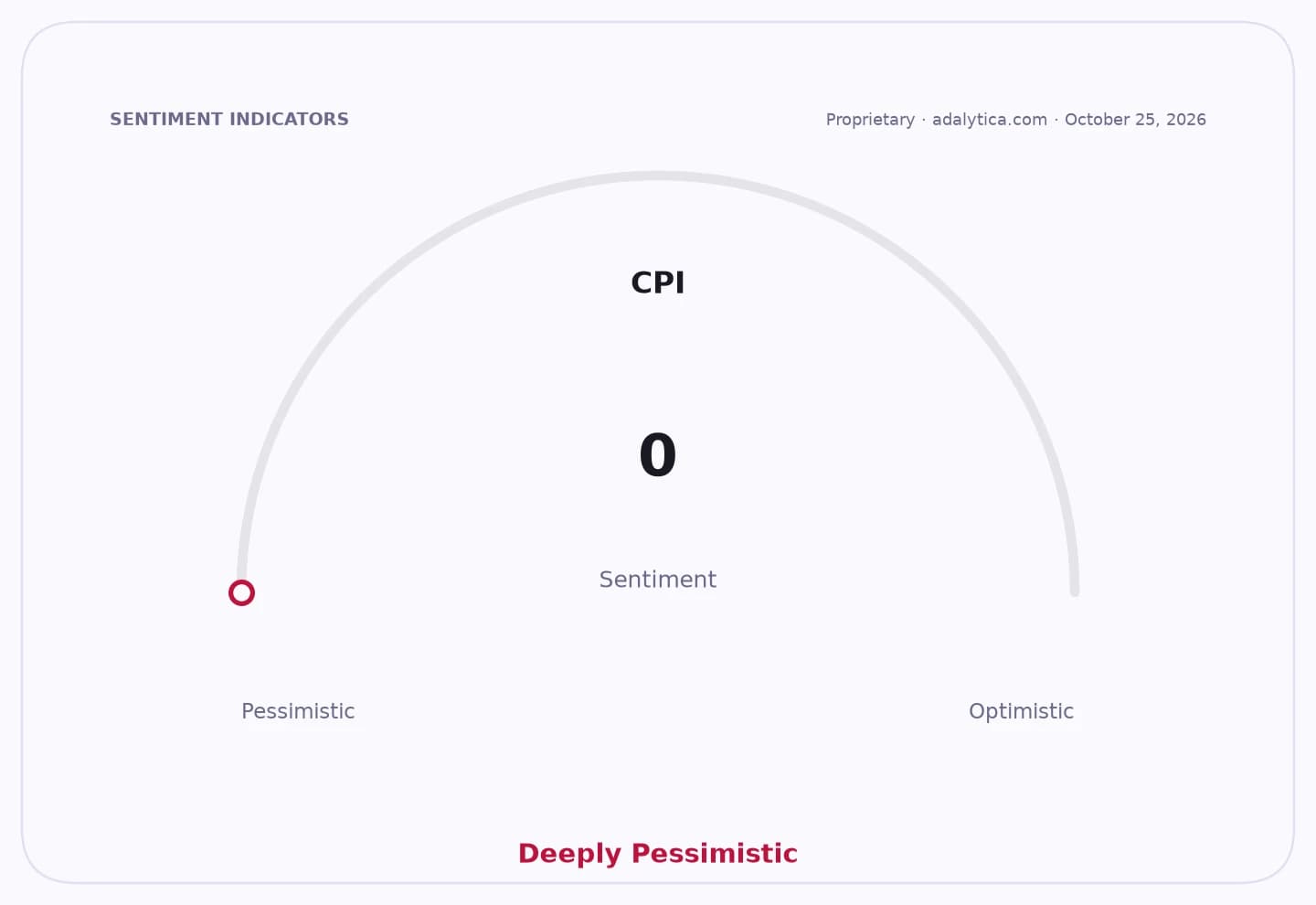
Sentiment Indicators
The timing is significant. Electricity prices at all 10 major utilities hit record highs in October after the last round of support ended, while city gas bills also rose sharply. With heating demand set to rise through the coldest months, the government is trying to blunt the hit before it becomes a broader drag on consumer spending. That is economically important because energy costs flow straight into the monthly budgets that drive Japan’s fragile domestic demand.
For investors, the immediate message is that Japanese households are likely to get at least some relief, which can cushion retail sales and broader consumption through the winter. It also shows how dependent Japan remains on temporary fiscal support to keep living costs in check when imported energy prices rise. That matters for the yen, for inflation expectations and for any company tied to Japanese consumer spending, from utilities and retailers to landlords.
The government is weighing the use of reserve funds created to deal with Middle East tensions, but that pool is already being tapped for gasoline, kerosene and other fuel subsidies. About 1.8 trillion yen remains, yet the state spent roughly 180 billion yen on fuel subsidies in August alone, raising the risk that a supplementary budget will be needed if energy prices stay elevated. In other words, this is not just a household story — it is a budget story.
For long-term investors, the real takeaway is that Japan’s consumer economy still lacks a clean escape from energy shocks. Renters, homeowners and landlords all feel them differently, but they all feel them. That makes steady cash-generating businesses and diversified portfolios more attractive than trying to time every policy swing. Keep this on the watchlist: if winter subsidies are extended, they may support consumption in the near term, but they also underline how exposed Japan remains to imported fuel costs over the long haul.
| Entity | Gains | Losses |
|---|---|---|
| Japanese households | ▲Lower winter utility bills | ▼Less disposable income pressure eased only temporarily |
| Japanese government | ▲Short-term political relief | ▼Bigger fiscal burden, possible supplementary budget |
| Utilities and gas suppliers | ▲Stable payment collection | ▼Limited benefit if subsidies keep demand soft |
| Consumers without homeownership | ▲Near-term cost relief | ▼Still exposed to imported energy price swings |