Vice President JD Vance says the H-1B visa program should be abolished, escalating a fight over foreign worker hiring that could reshape staffing costs for US technology, accounting and other skilled-labor sectors.
JD Vance calls for H-1B visa abolition
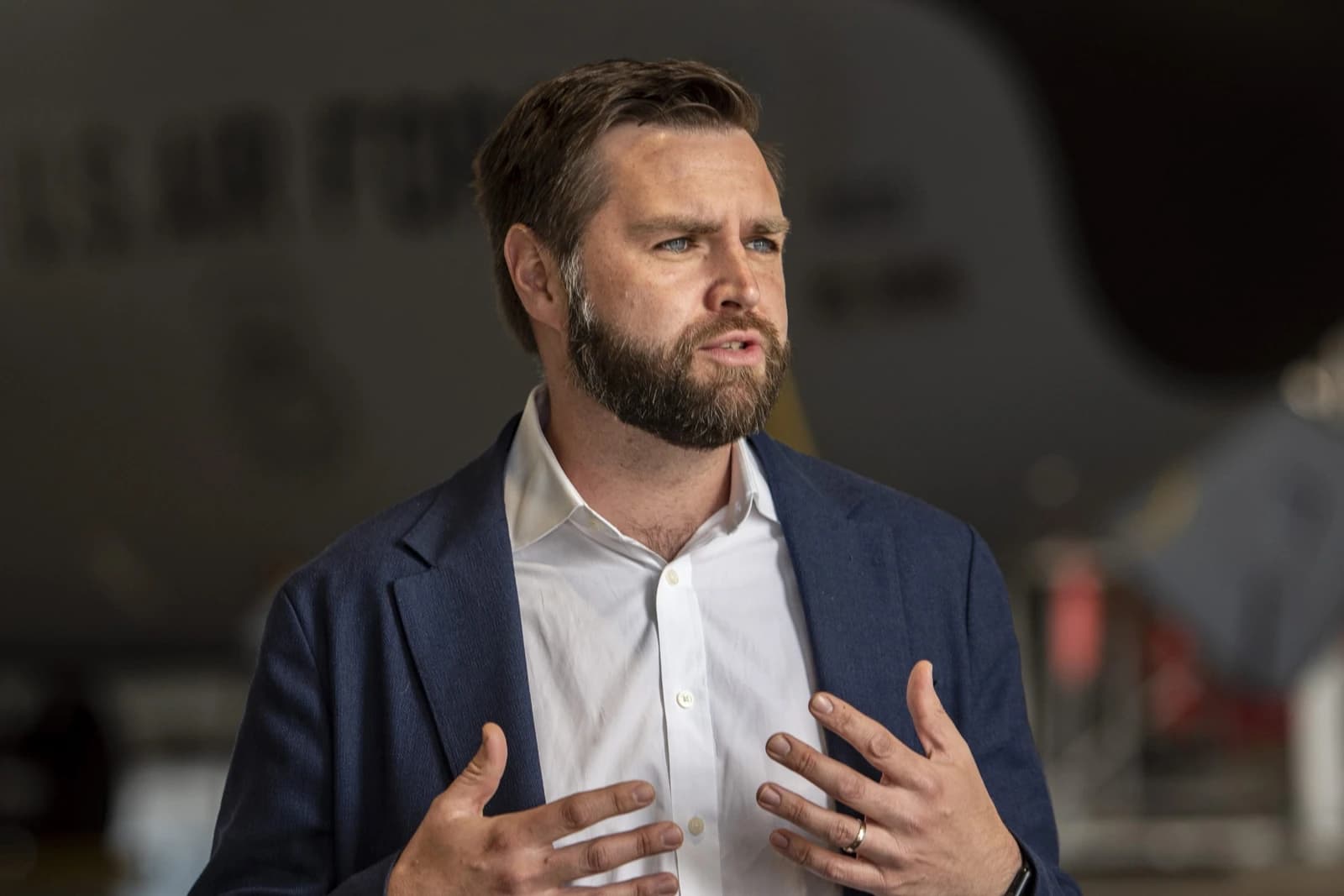
Vance called the program “completely broken” and “totally taken advantage of” in a video posted on X, arguing companies use it to replace Americans with lower-paid overseas workers rather than to recruit scarce talent. He singled out employers that bring in an accountant earning $45,000 to displace a US worker making $60,000, saying that “destroying American jobs” amounts to defrauding the public.
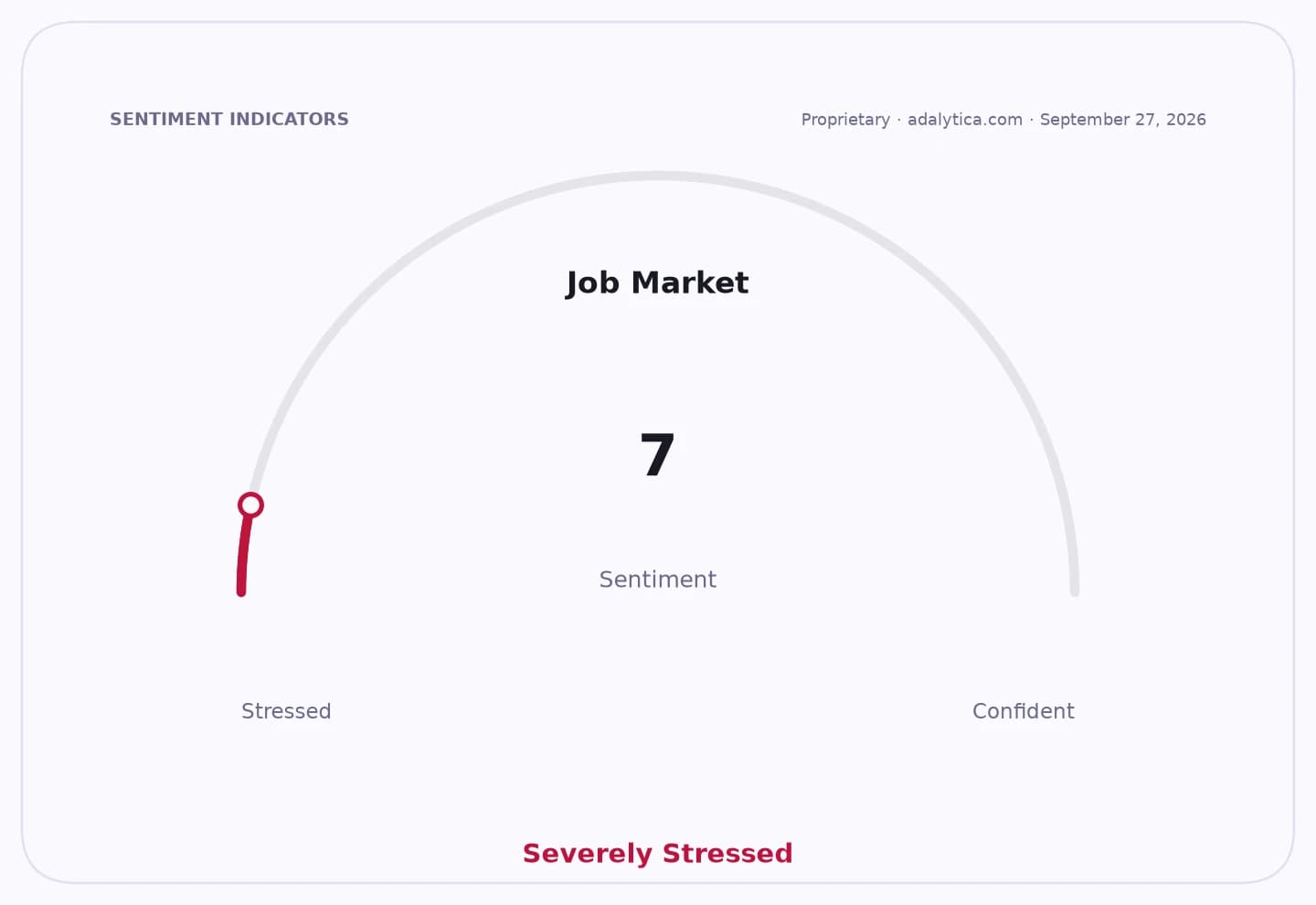
Sentiment IndicatorsⓘProprietary · adalytica.com · October 3, 2026
This is a snapshot — live sentiment, awareness and momentum for 130+ markets update continuously in the dashboard.Open AlphaPulse
The remarks matter economically because H-1B hiring sits at the center of the US labor supply for specialized roles, especially in tech and professional services. Any move to sharply curb or eliminate the program would tighten access to skilled labor, raise wage pressure for employers and could slow hiring plans at companies that rely on international talent to fill engineering, product and back-office positions.
The policy risk comes on top of a tougher fee regime. Vance defended the White House’s $100,000 levy on certain H-1B petitions, a charge introduced in September 2025 for applicable filings involving workers located overseas. That fee alone raises the cost of importing talent and increases the likelihood that firms either absorb higher labor expenses, move work offshore or delay projects.
Investors tend to focus on the companies most exposed to immigration rules because talent availability affects margins, execution and long-term growth. Microsoft, Alphabet, Amazon and Meta have all told shareholders they face intense competition for highly skilled workers, while Meta investors have already seen a shareholder proposal targeting H-1B-related discrimination risks. For large-cap tech, tighter visa policy could add to already elevated labor and AI spending bills.
The labor backdrop makes the issue more sensitive. The US unemployment rate is near 4.2% in the latest data, but employers still added roughly 159,000 payroll jobs in September, underscoring demand for labor even as the economy cools. That leaves policymakers balancing populist pressure to protect domestic workers against business claims that the visa system is necessary to keep growth and innovation moving.
For markets, the bigger question is whether Vance’s comments translate into legislation, stricter rulemaking or a broader administration push to rework the program. Until that path is clearer, the H-1B debate remains a live overhang for firms dependent on imported skilled labor and for countries such as India that supply much of the program’s workforce.
| Entity | Gains | Losses |
|---|---|---|
| US domestic workers | ▲More wage leverage | ▼Fewer imported job slots |
| Big tech employers | ▲None | ▼Higher hiring costs |
| Indian H-1B applicants | ▲None | ▼Reduced US job access |
| White House hardliners | ▲Political support | ▼Business backlash |