Joe’s Gourmet is moving from a regional food brand to a national grocery presence after partnering with Inland Seafood to place its fried catfish products in more than 1,200 Food Lion stores, a step that gives the Black- and veteran-owned company immediate shelf access across a much larger consumer base.
Joe’s Gourmet expands into 1,200 Food Lion stores
Consumer Spending
The rollout matters because distribution, not demand alone, is often the biggest hurdle for small food brands. Getting into a major supermarket chain can turn a niche product into a recurring purchase item and open the door to wider foodservice, private-label and regional expansion opportunities.
Sentiment Indicators
For Food Lion, the addition strengthens its seafood aisle with a locally rooted, differentiated product at a time when grocery chains are competing hard on assortment and convenience. For Joe’s Gourmet, the partnership with Georgia-based Inland Seafood provides supply-chain muscle that small brands typically lack, helping ensure consistent volume and grocery-grade logistics.
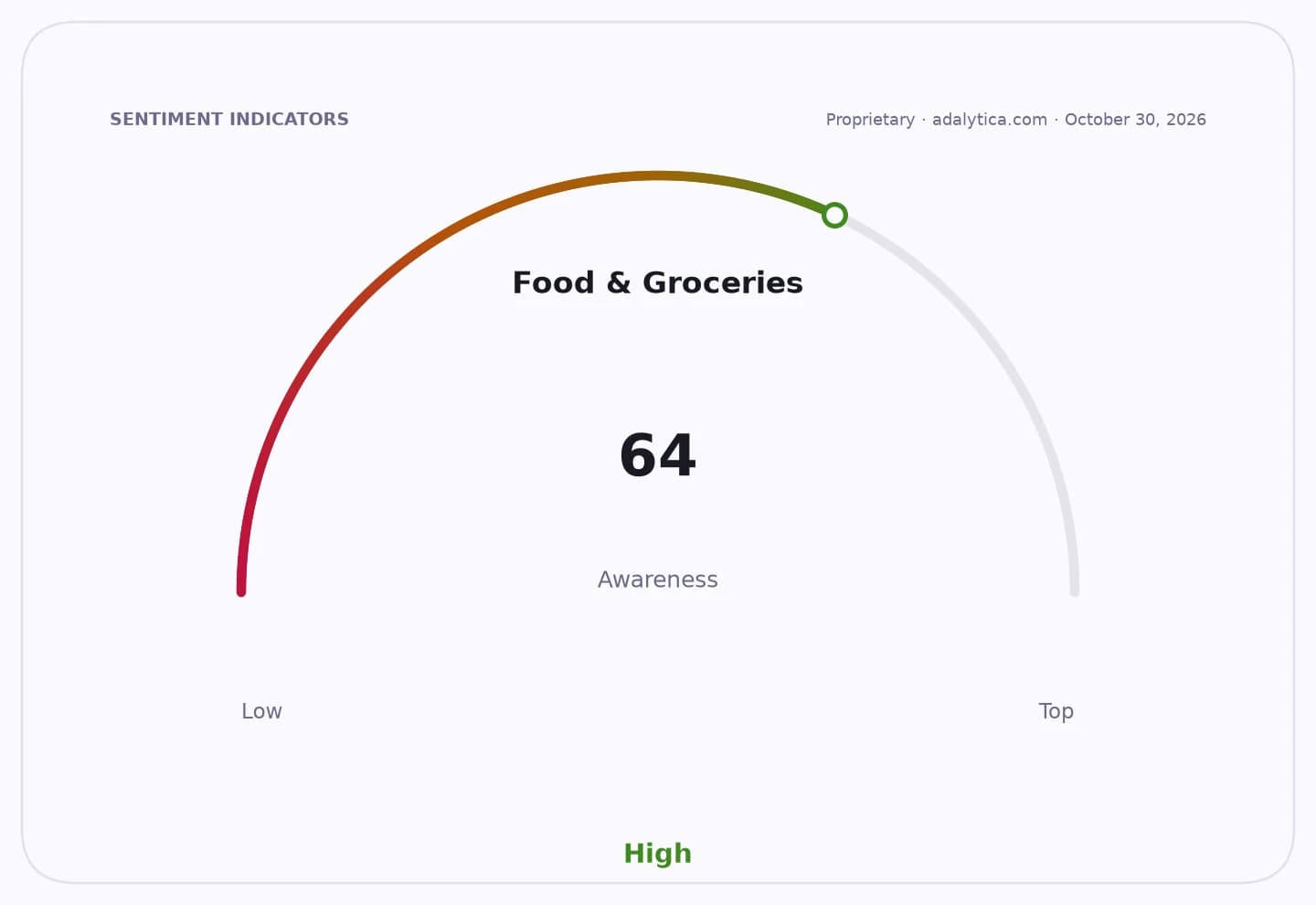
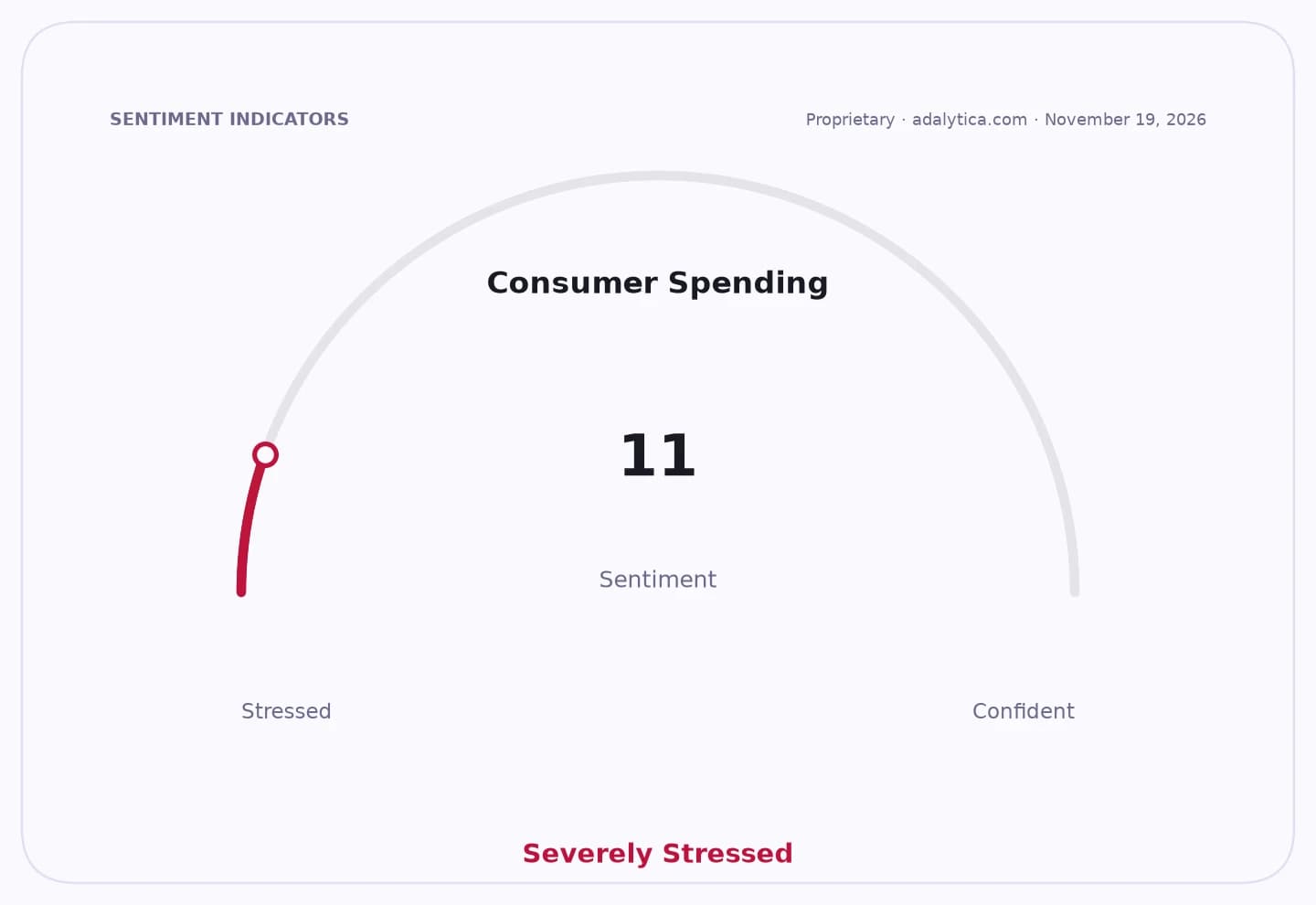
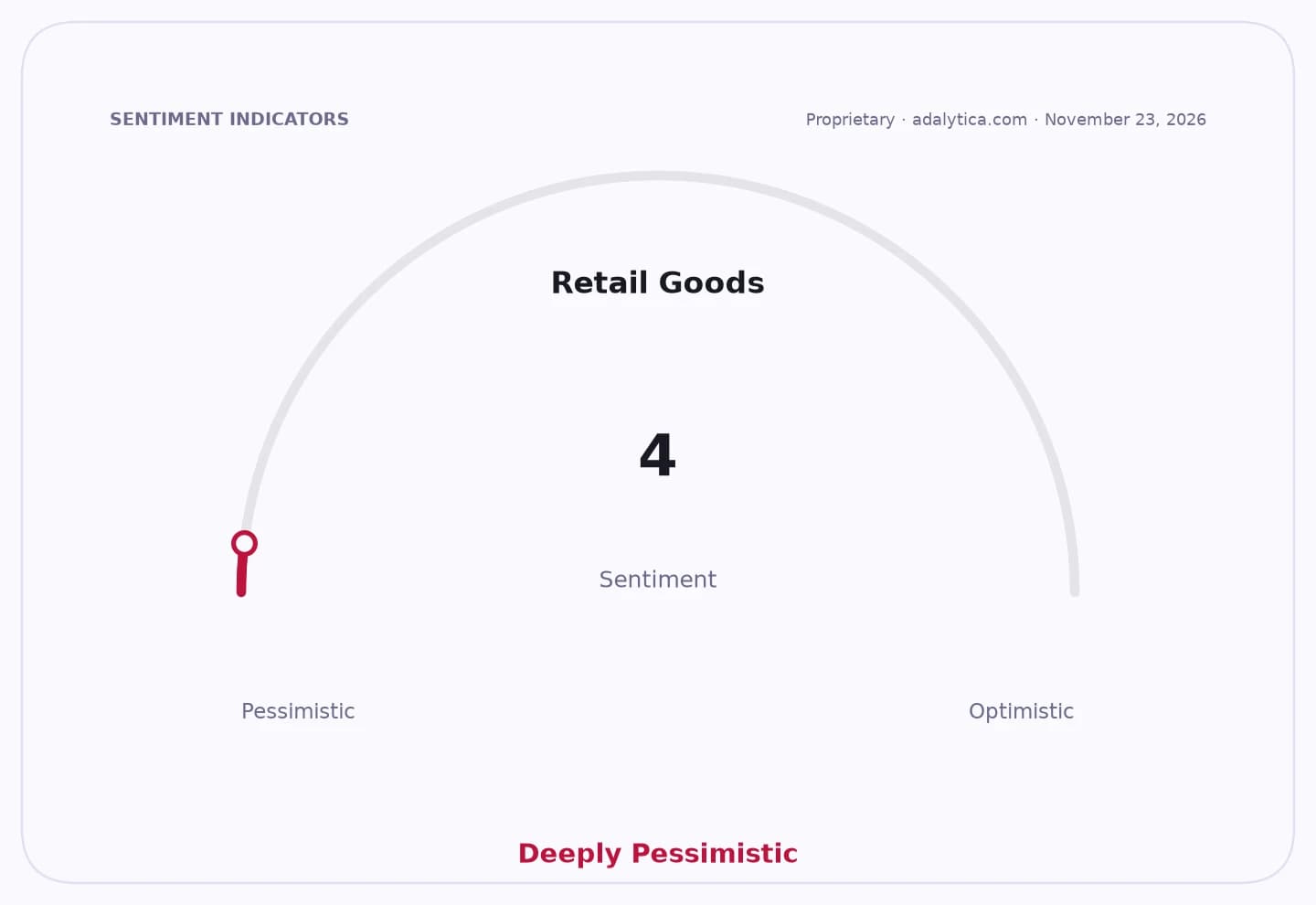
The launch also fits a broader consumer backdrop in which food and grocery spending remains resilient. Adalytica’s Food and Grocery Spending Sentiment is at 82, in “greed” territory, suggesting shoppers are still willing to spend on grocery items with clear identity and convenience, even as broader consumer sentiment is less consistent.
Investors in packaged foods, grocery retail and seafood supply chains will watch whether Joe’s Gourmet can convert shelf space into repeat sales and whether Food Lion uses the product to draw incremental traffic. The key test now is execution: maintaining supply, protecting margins and proving the brand can scale beyond an initial store count.
| Entity | Gains | Losses |
|---|---|---|
| Joe’s Gourmet | ▲National grocery reach | ▼Regional obscurity |
| Food Lion | ▲Differentiated seafood assortment | ▼Commodity-only offering |
| Inland Seafood | ▲Volume growth | ▼Small-batch dependence |
| Competing local brands | ▲— | ▼Shelf-space pressure |