A sharper focus on credit quality and trade finance is giving the biggest U.S. banks a fresh earnings tailwind, with JPMorgan Chase, Citigroup and Bank of America all showing resilient share performance as companies lean more heavily on letters of credit and other contingent funding tools.
JPMorgan, Citi, BofA Gain as Trade Finance Fees Rise
That matters because letters of credit are one of the plumbing systems of global commerce. When operating cash gets tighter, borrowers, suppliers and importers all need bank-backed guarantees to keep shipments moving and contracts signed. The result is more fee income for lenders and more pricing power for banks with the balance sheet strength to underwrite risk, even as regulators and investors stay alert to overdue payments, fintech lender stress and broader credit deterioration.
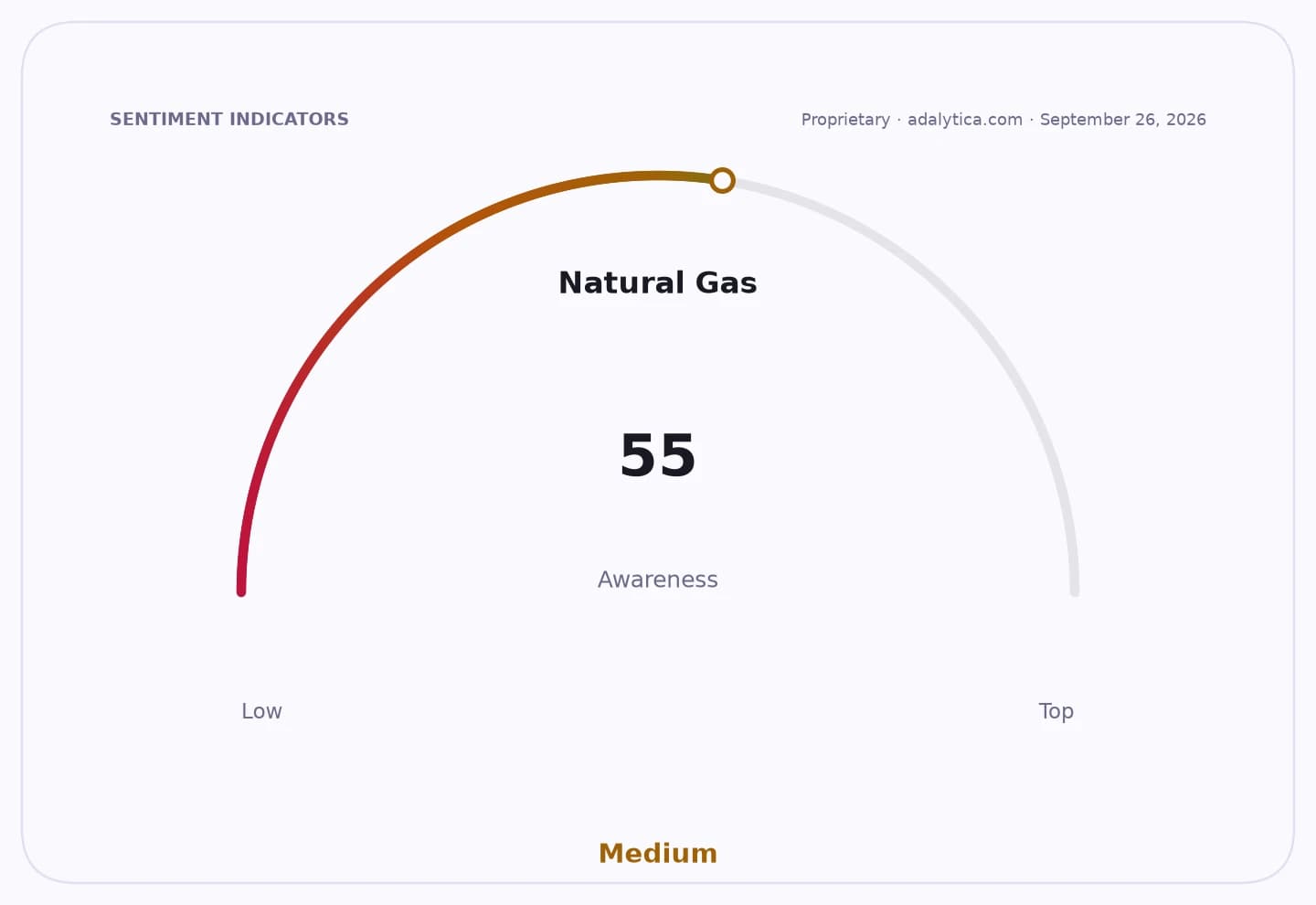
Sentiment IndicatorsⓘProprietary · adalytica.com · August 8, 2026
This is a snapshot — live sentiment, awareness and momentum for 130+ markets update continuously in the dashboard.Open AlphaPulse
The market has already started to reward that setup. JPMorgan has climbed to $357.52 from under $300 in October, while Citigroup has surged to $135 from $91.98 a year earlier and Bank of America sits near $63.17, close to its highs. JPMorgan is trading above both its 50-day and 200-day moving averages, Citigroup is holding well above its 50-day and 200-day averages, and Bank of America remains firmly above both trend lines. The conventional technical picture points to sustained institutional demand, even after brief pullbacks.
The underlying story is not just bank-strength momentum. It is a credit cycle in which companies are using more bank-issued guarantees to bridge trade, working-capital and counterparty risk. That is exactly where the largest money-center banks have an edge: they can package trade finance, deposits, FX and hedging into one relationship, while smaller lenders and fintech platforms are forced to compete on thinner margins and greater funding risk.
For investors, that makes the letter-of-credit business more than an old-line banking utility. It is a high-value, capital-efficient toll road attached to global trade, and it tends to benefit when uncertainty rises rather than falls. In an environment where regulators are tightening scrutiny of risky lending and overdue balances are getting more attention, demand naturally migrates toward the institutions that can absorb risk, clear payments and stand behind obligations.
The longer-term opportunity is in the second-order winners. If banks keep taking share in trade finance and contingent credit, the best exposures are not only the big lenders themselves but also the infrastructure around them — payments networks, trade processing software, treasury-management platforms and risk systems that help corporations manage suppliers and liquidity. The market still tends to treat letters of credit as a niche banking product. I believe that is the wrong frame. In a world of tighter credit, more fragmented supply chains and higher geopolitical friction, they are becoming a more important source of earnings resilience for the dominant banks.
| Entity | Gains | Losses |
|---|---|---|
| JPMorgan, Citi, Bank of America | ▲Fee income from trade finance | ▼Smaller lenders with weaker balance sheets |
| Importers and exporters | ▲Contract certainty | ▼Firms facing higher financing costs |
| Regulators | ▲Better credit visibility | ▼Fintech lenders under pressure |
| Bank shareholders | ▲More resilient earnings | ▼Shorts betting on credit stress |