July 3, 2026 — U.S. hiring slowed sharply in June, giving investors fresh evidence that the labor market is cooling enough to reduce pressure on the Federal Reserve to resume aggressive rate increases without yet signaling a recession.
June Payroll Slowdown Eases Fed Tightening Risk

Nonfarm payrolls rose by 57,000 last month, Labor Department data showed, down from a 129,000 gain in May. The unemployment rate edged down to 4.2% from 4.3%, keeping the economy close to full employment even as the pace of job creation weakened.
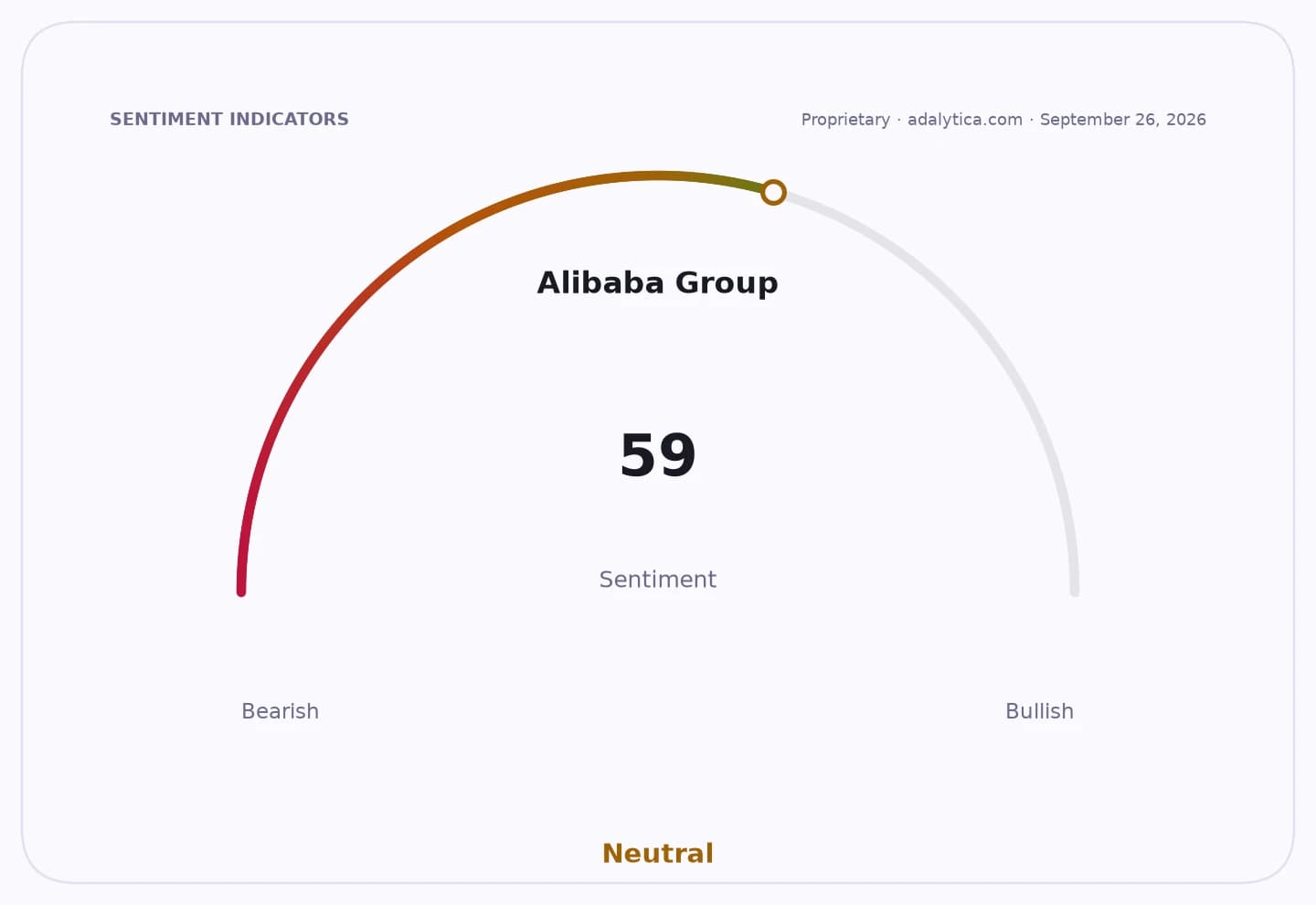
Sentiment IndicatorsⓘProprietary · adalytica.com · July 3, 2026
This is a snapshot — live sentiment, awareness and momentum for 130+ markets update continuously in the dashboard.Open AlphaPulse

The report matters because the Fed’s policy path hinges on whether labor demand is cooling in an orderly way or breaking abruptly. A smaller payroll gain points to less wage and inflation pressure ahead, while the still-low jobless rate gives policymakers room to wait rather than rush toward either rate cuts or further tightening.
Cleveland Fed President Beth Hammack said the labor market remains near full employment and growth is solid, reinforcing the view that officials are likely to stay cautious. That message is important for markets that have been sensitive to any sign the Fed may need to keep rates higher for longer.

Treasury pricing reflected that tension. The two-year yield, among the maturities most closely tied to Fed expectations, was at 4.17% on July 1, up from 4.10% on June 29, according to Treasury data. The move suggests investors are not fully embracing a dovish pivot, even as the jobs figures reduced the risk of a more forceful tightening cycle.
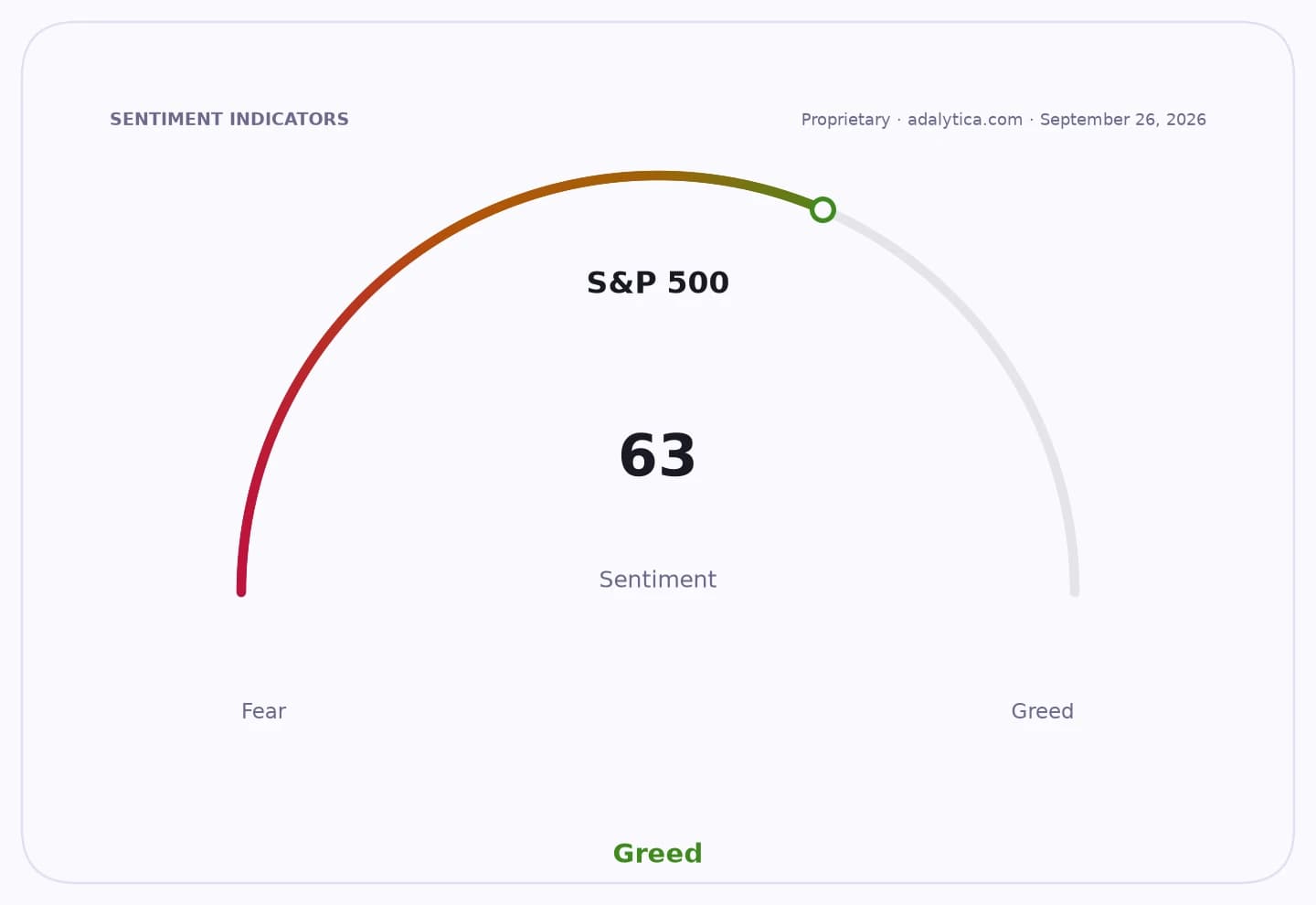
Equities drew some support from the softer employment backdrop. Proprietary indicators from Adalytica.com showed S&P 500 trade sentiment at 71, in “Greed” territory, though awareness remained in “Extreme Fear,” a sign that positioning is constructive but conviction is fragile. Payroll-related sentiment was neutral at 52 while attention was at the maximum reading, underscoring how central the jobs data has become to cross-asset trading.
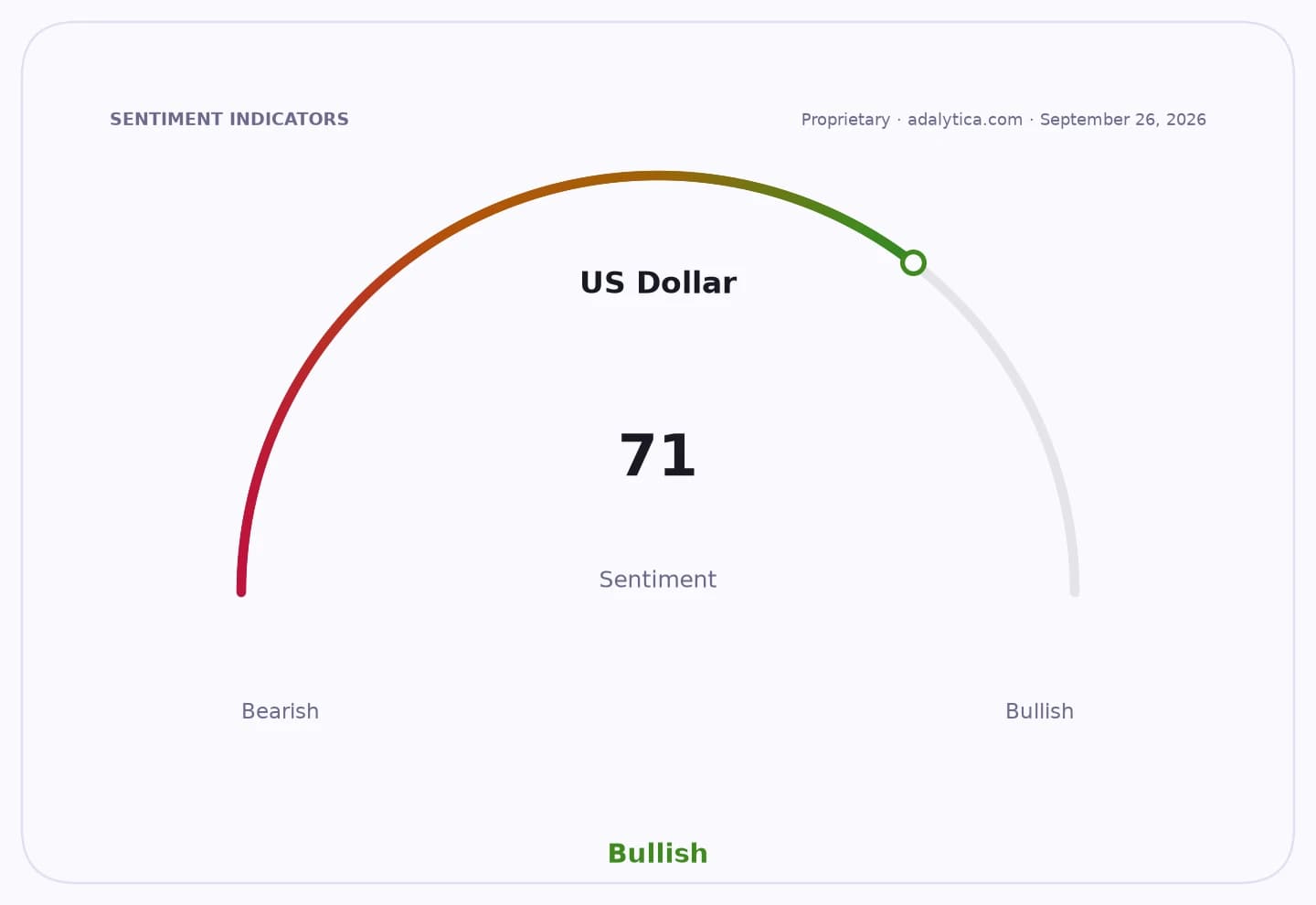
The dollar remained firm despite the weaker hiring number. Adalytica.com’s U.S. dollar trade signal stood at 72, also in “Greed,” and the Invesco DB U.S. Dollar Index Bullish Fund closed at $28.34 on July 2, still above its 50- and 200-day moving averages. That reflects a market view that the U.S. economy is cooling, but not enough to justify a rapid repricing toward easier Fed policy.
The next phase for investors will depend on whether June’s slowdown proves temporary or becomes a trend. Further weakness in payrolls would strengthen the case for eventual rate cuts and support duration-sensitive assets; resilience in employment and inflation would keep the Fed on hold and leave risk markets exposed to higher real yields.
| Entity | Gains | Losses |
|---|---|---|
| Equity bulls | ▲Fed hike risk eases | ▼Fragile conviction |
| Dollar longs | ▲U.S. growth still resilient | ▼Dovish repricing risk |
| Treasury bulls | ▲Softer hiring supports duration | ▼Two-year yield still firm |
| Fed hawks | ▲Unemployment remains low | ▼Payroll momentum slows |