Thailand’s prime minister is using his first trip to the U.N. General Assembly to sell the country as a destination for foreign capital, with meetings planned in New York with Microsoft, Bank of America and PIMCO that put artificial intelligence, financial inflows and market confidence at the center of Bangkok’s pitch.
Thailand PM Courts Microsoft, PIMCO at UNGA

The message matters because Thailand is trying to turn a diplomatic debut into an investment campaign at a time when global money is still selective, U.S. rates remain elevated and Southeast Asian economies are competing harder for the next wave of digital and industrial capex. For investors, that creates a simple question: whether Thailand can convert policy promises and roadshows into actual project pipelines, earnings growth and a re-rating for local assets.
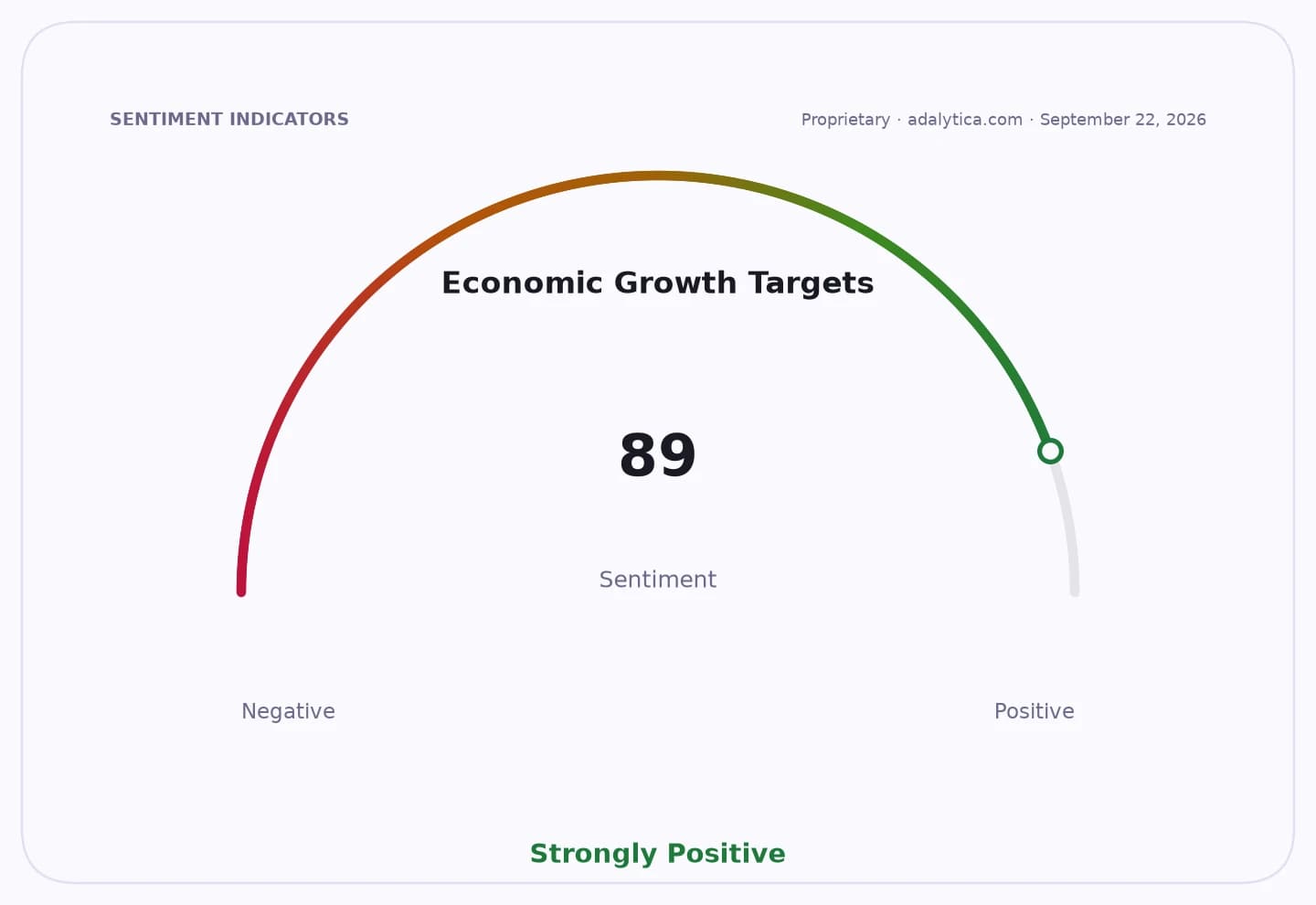
Sentiment IndicatorsⓘProprietary · adalytica.com · September 26, 2026
This is a snapshot — live sentiment, awareness and momentum for 130+ markets update continuously in the dashboard.Open AlphaPulse
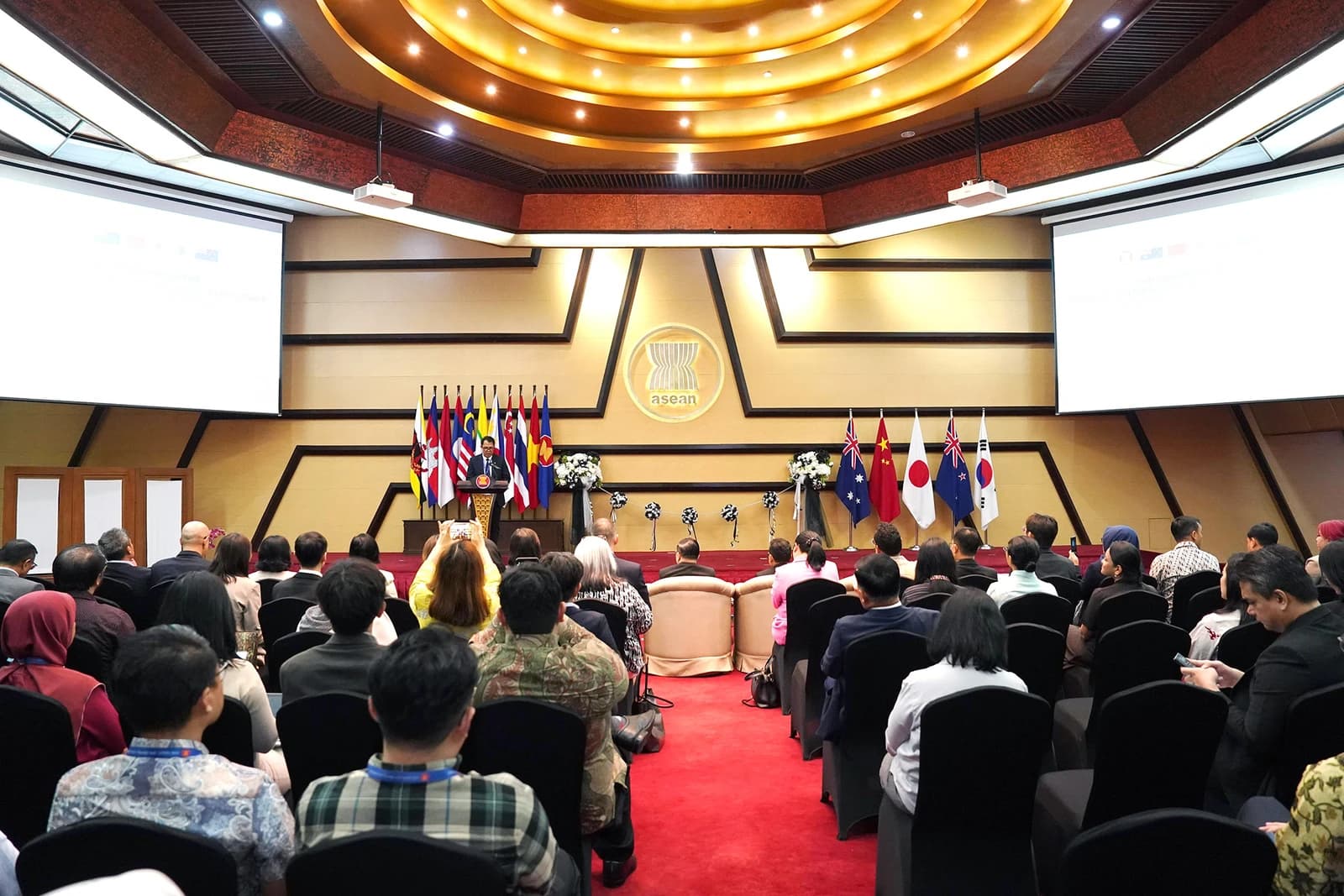
The government says Anutin Charnvirakul will spend the day at UNGA81 not just on multilateral diplomacy, but on direct investor outreach. Alongside the U.N. opening debate, he is scheduled to meet financial institutions and funds hosted by Bank of America, speak with PIMCO and hold talks with Microsoft at Bank of America Tower, presenting Thailand’s “strengths and opportunities” to global capital.
That is more than photo-op diplomacy. It is an attempt to anchor Thailand’s investment story to the two forces driving markets now: AI infrastructure and yield-sensitive capital allocation. Microsoft’s presence is especially telling. The market is rewarding the companies building the AI stack, but the second-order trade is in the countries that can host data centers, power demand, cloud deployment and supporting supply chains. If Thailand can position itself as a credible landing zone for that capital, the payoff could extend well beyond tech headlines into construction, utilities, telecoms, industrial land and the SET itself.
The timing is also favorable. U.S. 10-year yields are near 5% and the Fed funds rate is still around 3.6%, conditions that keep global investors disciplined and force emerging markets to prove they can deliver growth, not just narrative. Thailand is trying to answer that with a clear offer: a “stable” credit outlook from major ratings firms, a push into digital and AI industries, and a stock market it says has already shown standout performance this year.
That combination matters for portfolio flows. A country that can pair macro stability with a real capex story tends to attract a different class of buyer — long-only funds, infrastructure capital, strategic tech investors and passive inflows that can widen liquidity over time. If the roadshow in New York, Tokyo and London gains traction, the beneficiaries are likely to be local banks, property developers, industrial estates, telecom names and listed companies tied to data, energy and logistics.
The market should also pay attention to the political choreography. By sending the prime minister to meet Wall Street finance houses and Big Tech on his first UNGA day, Bangkok is signaling that foreign investment is now a top economic lever, not a side project. That can matter in a region where capital is increasingly choosing among Vietnam, Indonesia, Malaysia and Thailand based on policy clarity and execution.
For investors, the trade is not simply “Thailand up” but Thailand as an emerging AI and real-economy hub if the government can convert access into commitments. The near-term catalyst is whether the meetings produce follow-up capital announcements; the bigger prize is a multi-year re-rating if Thailand starts capturing digital infrastructure spending and broader foreign direct investment. This is a story to watch closely: the market may be underestimating how much a credible AI-and-capex pitch can change the investable profile of a lagging ASEAN market.
| Entity | Gains | Losses |
|---|---|---|
| Thailand / SET | ▲FDI and sentiment boost | ▼Skepticism if execution lags |
| Microsoft | ▲New market access | ▼Time and expansion costs |
| Thai banks, REITs, industrials | ▲Deal flow and capex upside | ▼Rate sensitivity if flows disappoint |
| Competing ASEAN hubs | ▲— | ▼Potentially lose investor attention |