Thailand’s push to hand 5 million people free access to commercial AI tools is gathering momentum fast, and that matters because it could accelerate one of Asia’s most practical national adoption stories for generative AI.
Thailand AI Passport Reaches 1.3 Million Signups
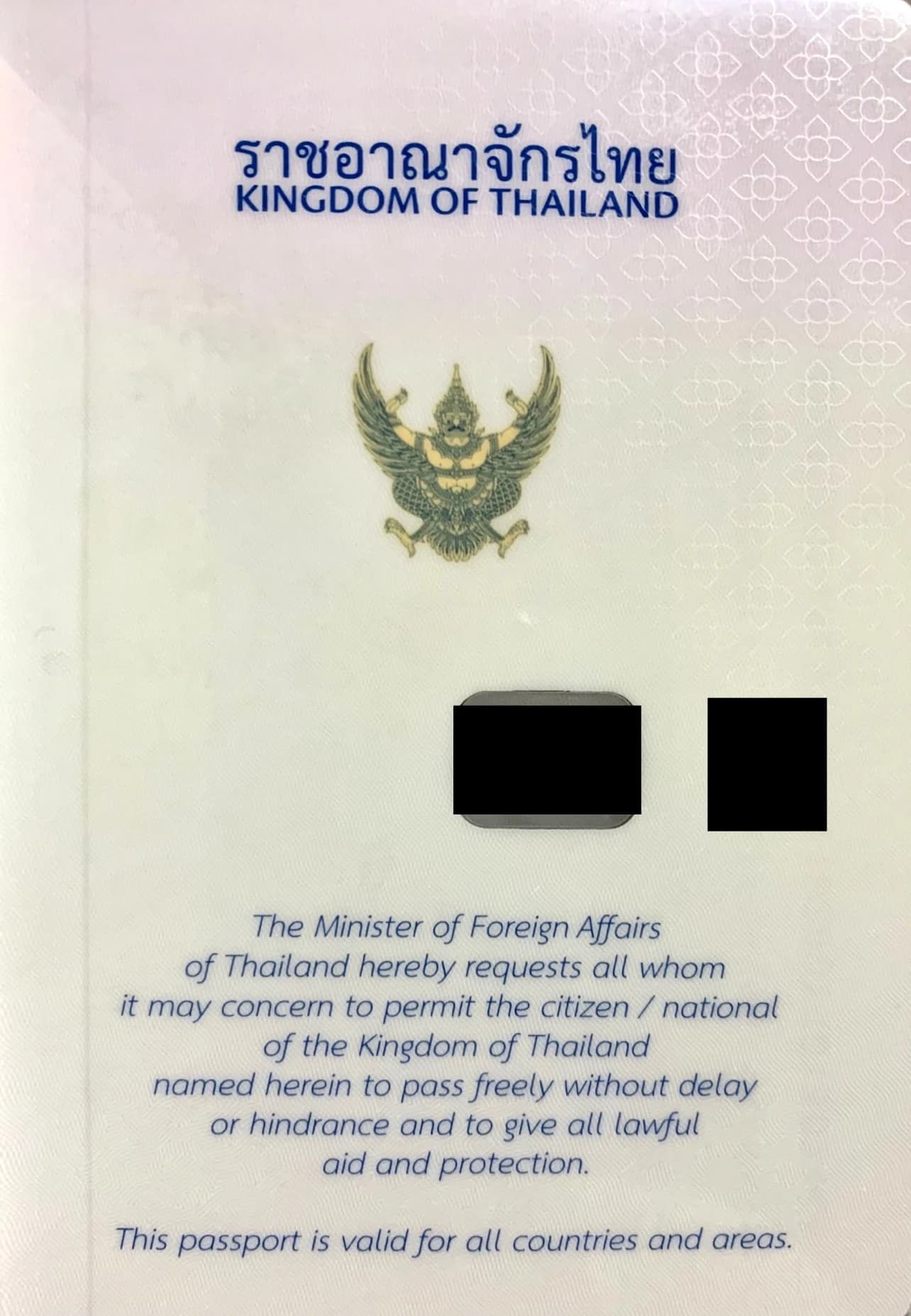
More than 1.3 million Thais signed up in less than two weeks for the government-backed “Thai AI Passport” program, according to BRICS TV, with the platform designed to eventually cover 5 million users. That scale is meaningful: it turns AI from a niche productivity experiment into a mass-market digital-skills campaign backed by the state, one that could seed demand for cloud services, model access, cybersecurity, training and workplace automation across the economy.
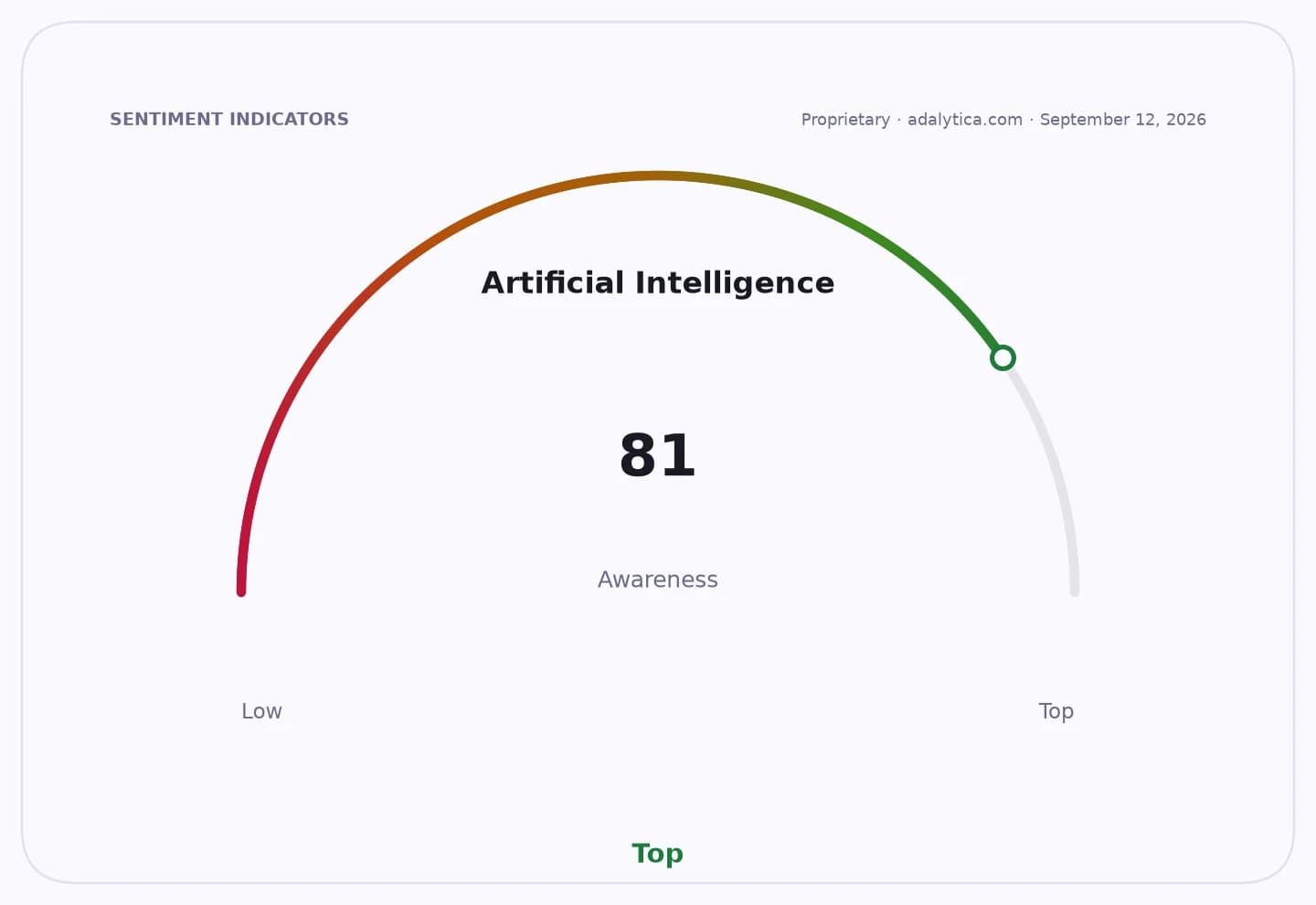
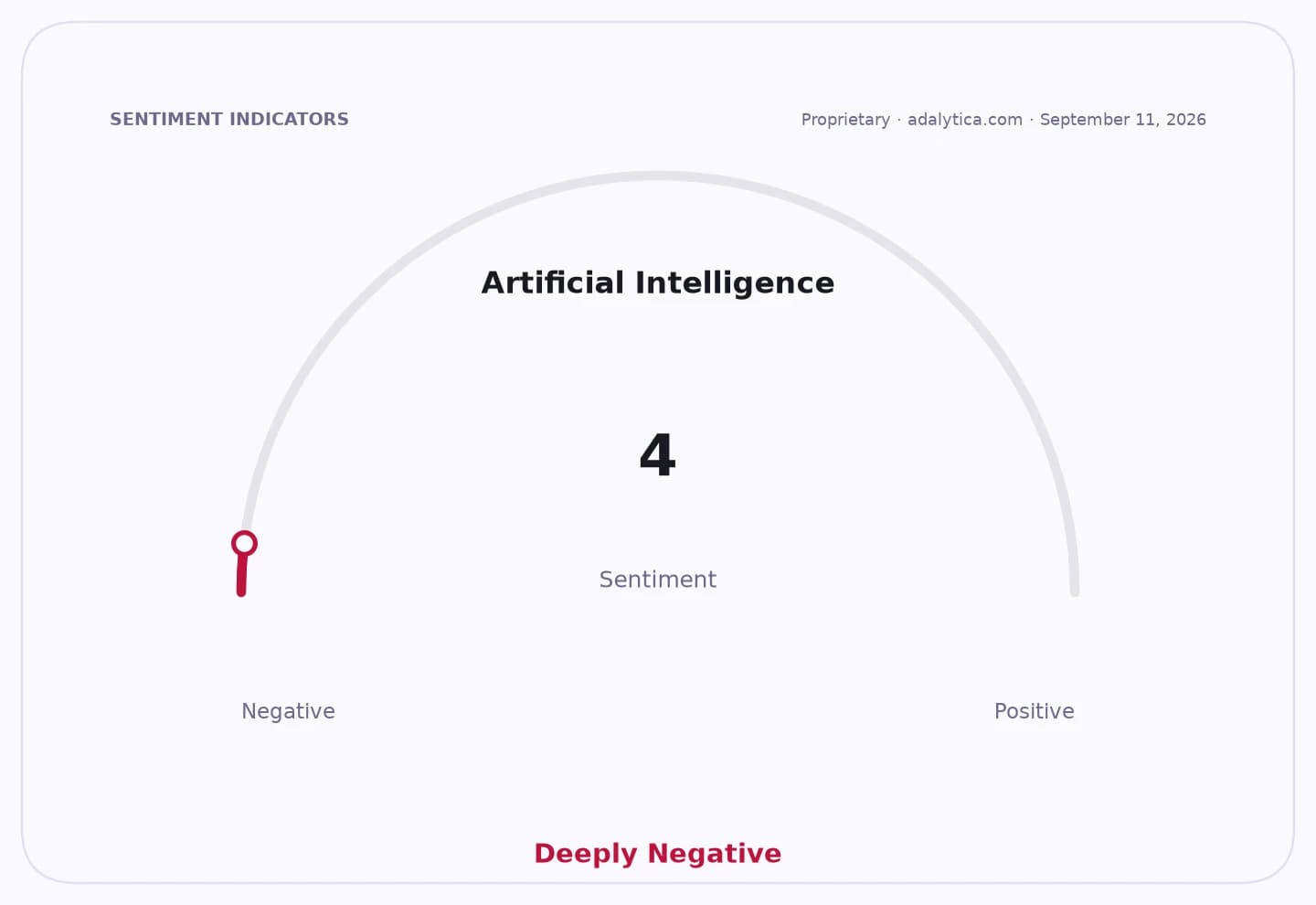
Sentiment IndicatorsⓘProprietary · adalytica.com · September 6, 2026
This is a snapshot — live sentiment, awareness and momentum for 130+ markets update continuously in the dashboard.Open AlphaPulse
The initiative, run by Thailand’s Digital Economy and Society Ministry, bundles more than 30 AI models developed by 14 groups and adds digital-skills training. Officials say the program is aimed at helping citizens use AI in education, work and business, which is exactly where the investment case becomes interesting. The fastest gains from AI often do not come from flashy consumer apps, but from broad adoption in payroll, customer service, logistics, administration and small-business workflows. That is where governments can compress adoption curves.
Thailand is not starting from zero. The ministry says 12.4% of working-age Thais used generative AI in the first quarter, up from 9.1% a year earlier. That is still early-stage penetration, but the direction matters. In policy terms, it suggests AI is moving beyond curiosity and into everyday use. In market terms, it suggests the country is building a larger addressable base for software vendors, cloud providers and enterprise AI integrators.
For investors, the bigger point is that this is a template, not an isolated program. Emerging markets are likely to adopt AI in a different order than the U.S. and China: less about giant frontier-model battles, more about government-backed distribution, localized tooling and workforce upskilling. That favors the picks-and-shovels layer — compute, data-center infrastructure, networking, cybersecurity, systems integration and the platforms that can package AI for mass deployment. The companies that win may not be the ones with the loudest consumer brand, but the ones that become embedded in national digital infrastructure.
Microsoft, Nvidia and the broader AI infrastructure complex remain the obvious global beneficiaries of this kind of secular rollout, because every new deployment of mass AI use ultimately pulls through demand for cloud, training, inference and enterprise tooling. The market often treats these programs as local policy headlines, but they are really demand-creation mechanisms. If Thailand can move millions of workers and students onto AI workflows, it creates a durable stream of usage, data and spending that compounds over time.
The near-term catalyst is whether the rollout stays clean and credible. The speed of sign-ups shows demand is there, but execution will determine whether Thailand becomes a regional model for AI adoption or just another pilot program. If the government can maintain trust, expand access and prove productivity gains, the Thai AI Passport could become the kind of second-order catalyst markets usually underestimate: not a single revenue event, but an accelerator for the entire AI stack.
| Entity | Gains | Losses |
|---|---|---|
| Thailand government | ▲Digital-policy credibility | ▼Execution risk |
| AI platform vendors | ▲New users and demand | ▼Price pressure |
| Microsoft/Nvidia ecosystem | ▲More AI usage | ▼Slower rollout if trust slips |
| Traditional training providers | ▲More skilling demand | ▼Outdated curricula |