Thailand’s ETDA is moving to expand digital identity, AI governance and platform regulation in 2027, a push aimed at hardening the country’s digital-trust infrastructure and making online transactions safer, more verifiable and easier to scale.
Thailand ETDA expands digital ID, AI, platform rules

The Electronic Transactions Development Agency said it is targeting four priorities next year: widening Digital ID use, turning AI governance from principles into practice, expanding an SME growth model and tightening supervision of digital platforms under the DPS law. The agency says the program is meant to support the next stage of Thailand’s digital economy by lowering fraud risk, improving compliance and enabling more trusted online commerce.
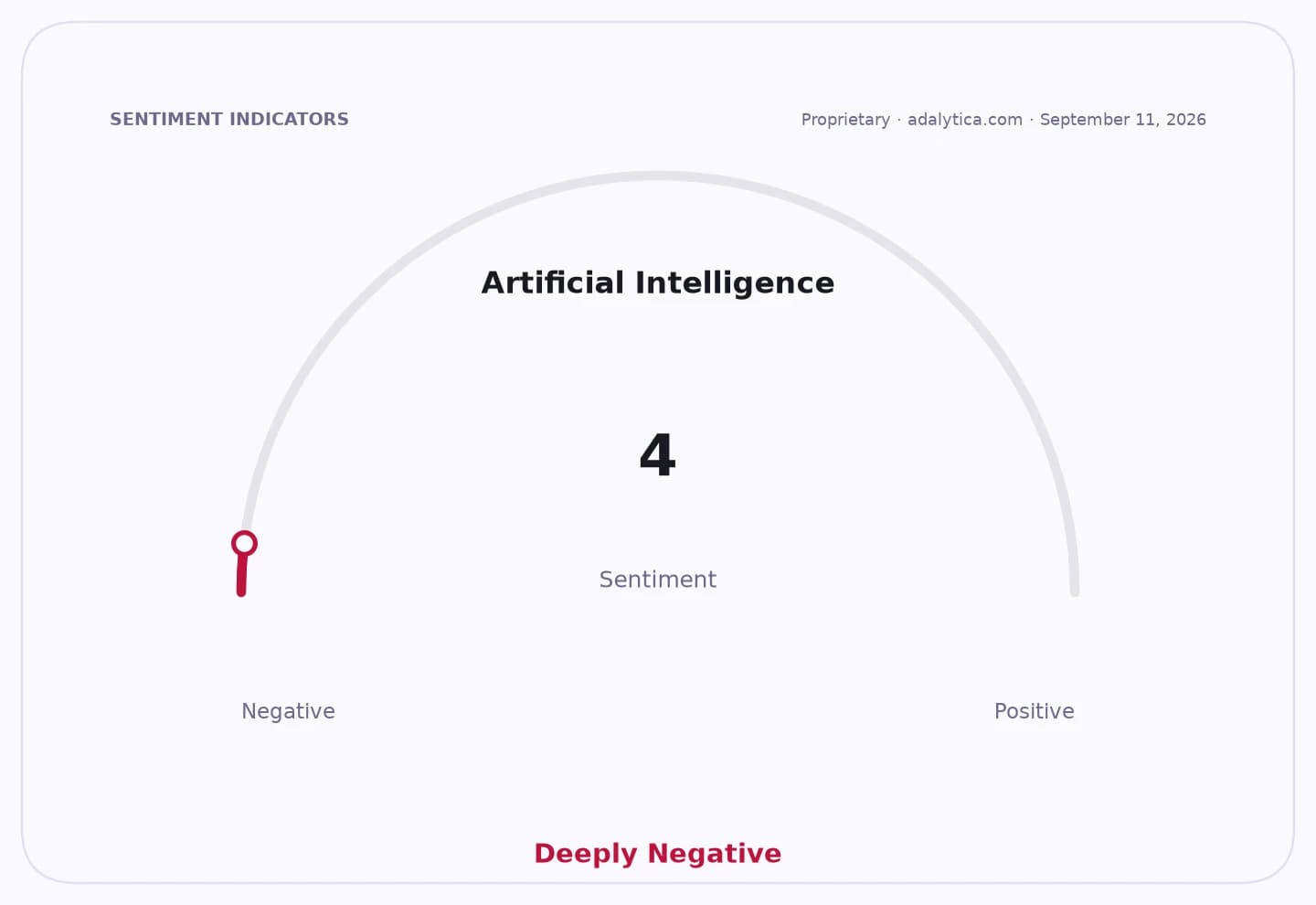
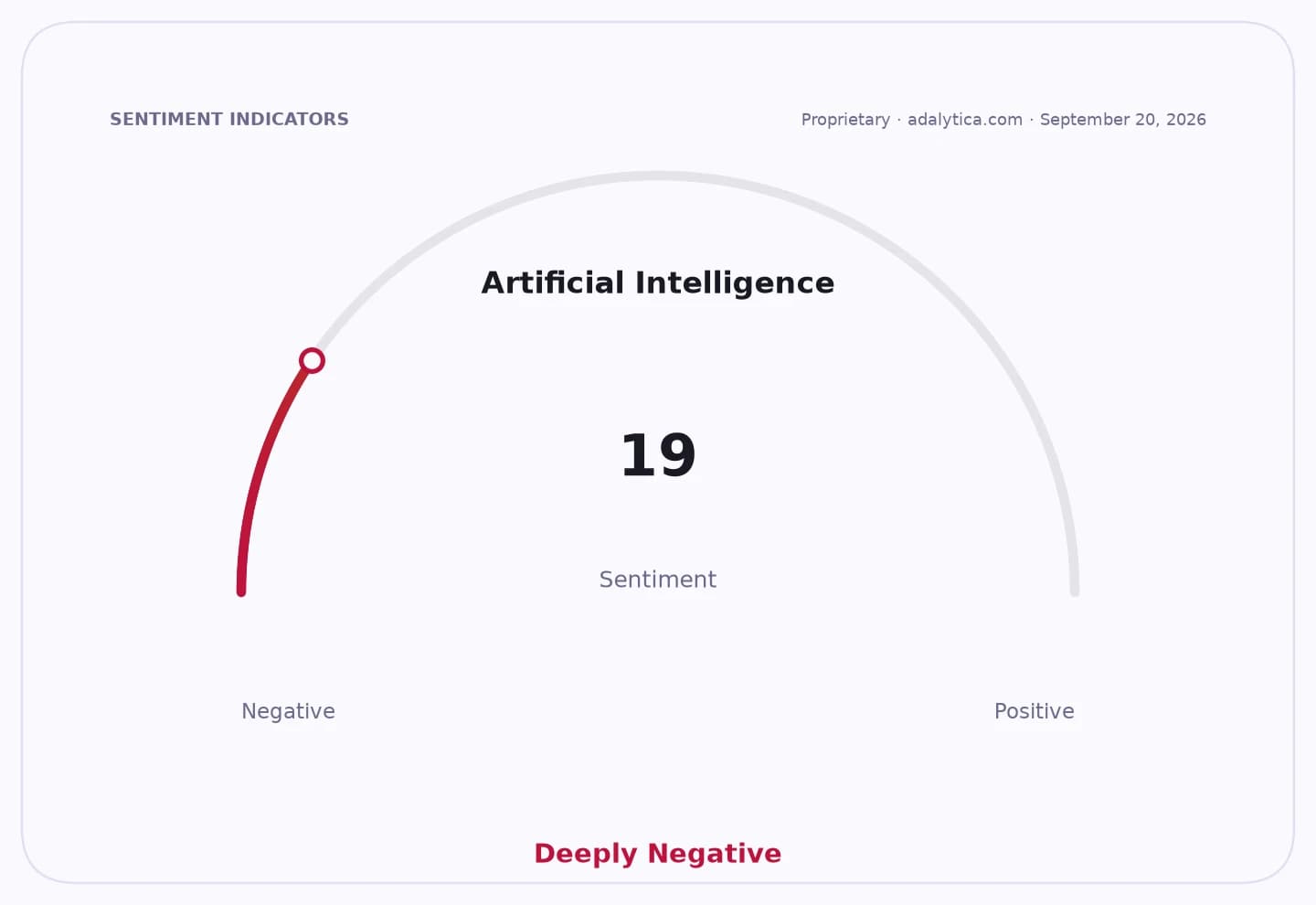
Sentiment IndicatorsⓘProprietary · adalytica.com · September 7, 2026
This is a snapshot — live sentiment, awareness and momentum for 130+ markets update continuously in the dashboard.Open AlphaPulse
Digital ID is the most advanced part of the plan. ETDA said 28 Digital ID service providers have been licensed and 1,797 government e-services were linked to Digital ID as of June 2026, with 162.63 million accumulated user accounts. It is also piloting verifiable credentials, or VC, including digital transcripts and ID-card use cases, and working with trusted providers so companies can verify authority and sign contracts online.
The agency is also preparing a digital document wallet with the Digital Government Development Agency and the Interior Ministry, while laying groundwork for Digital ID for foreign nationals and for a trusted list of VC providers. That matters economically because lower-friction identity verification can reduce duplicate paperwork, cut transaction costs and speed up onboarding for both public services and private-sector services.
On AI, ETDA said it has already developed more than 12 guidelines, research tools and policy pieces, and has trained more than 120,000 users on AI risks and governance. Its next phase is an AI Governance Practice Center, or AIGPC, which will run sandbox testing and develop guidance for sectors including education, justice, government and finance. For investors, that points to a clearer compliance framework for Thai AI deployment, especially for firms building products in regulated industries.
The SME plan is aimed at moving small businesses beyond basic digital adoption. ETDA said Thai SMEs’ average digital maturity rose to 2.45 out of 4 in 2025, up 3.81%, but many still use technology mainly for communications and sales. The agency has already tested more than 108 technology matches with 138 providers and plans to expand the model across 16 provinces, targeting retail, manufacturing and tourism.
ETDA’s platform clampdown may carry the broadest market implications. Under DPS rules, it said 2,133 platform services had been brought into the reporting system by August 2026, with new measures planned on fees, ride sharing, social-media crime prevention and product standards. The agency is also using its 1212 complaint center as a monitoring hub and says its “DPS Trust Every Click” campaign has reached more than 4.4 million media views.
For investors, the message is that Thailand is pushing toward a more regulated but more predictable digital market, where identity, AI and platform compliance become part of the operating cost of doing business. The next catalyst will be how fast ETDA turns those plans into enforceable rules and working infrastructure in 2027.
| Entity | Gains | Losses |
|---|---|---|
| Thai consumers | ▲Safer digital services | ▼More data checks |
| Banks and e-commerce firms | ▲Faster verified onboarding | ▼Higher compliance costs |
| SMEs adopting digital tools | ▲Better access to tech and funding | ▼Firms slow to adapt |
| Platform operators | ▲Clearer rulebook | ▼Stricter oversight and fees |