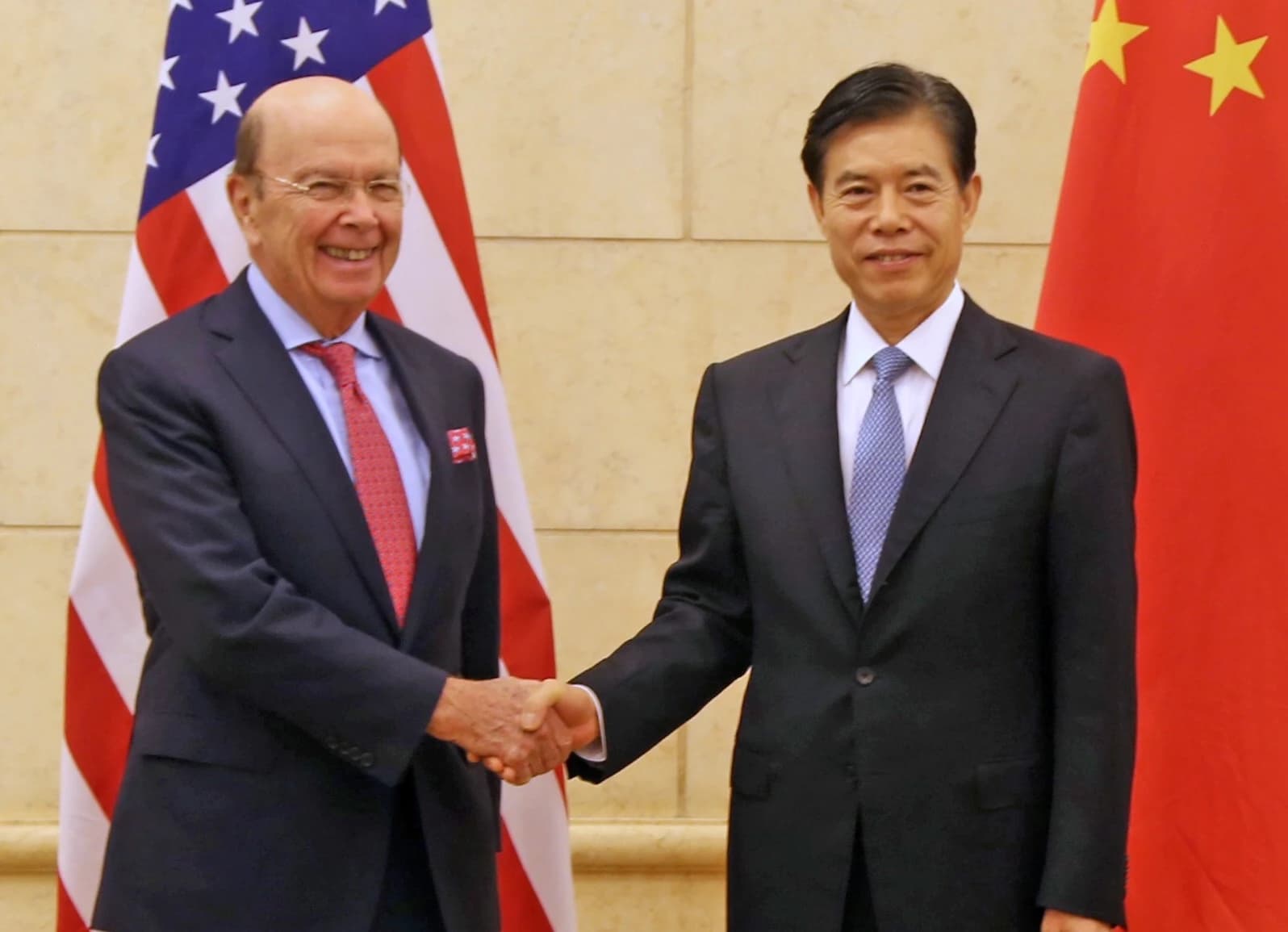
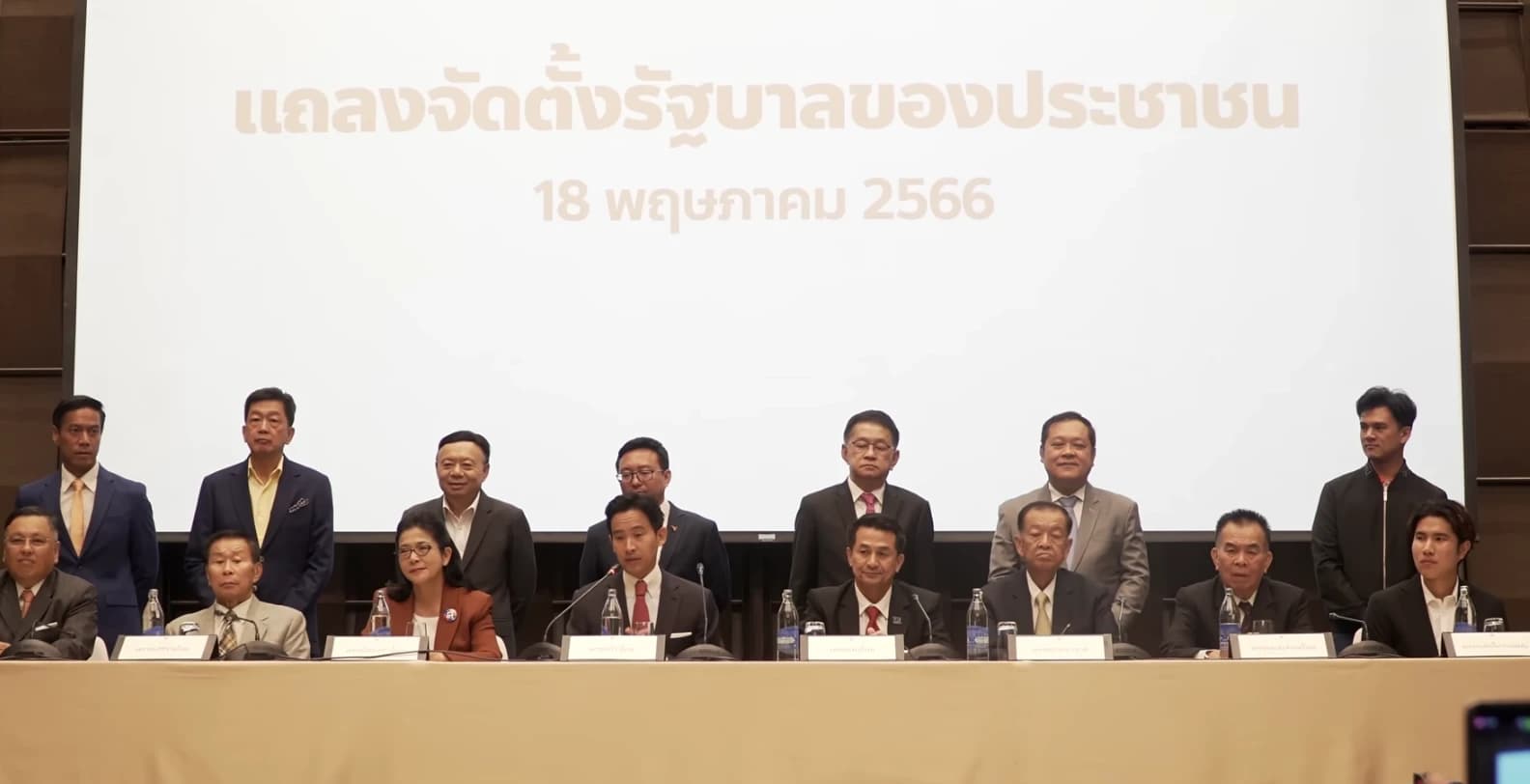
Thailand’s government says a reciprocal trade deal with the U.S. is close to completion, with Prime Minister Anutin Charnvirakul preparing to speak with Donald Trump to settle the remaining points and press for special tariff treatment.
Thailand Trade Deal With U.S. Near Completion
The talks matter because they could ease trade friction for an export-reliant economy that depends heavily on access to the U.S. market. Thai officials said only a handful of technical details remain, suggesting the broad framework is already in place after weeks of negotiations.
Sentiment IndicatorsⓘProprietary · adalytica.com · September 18, 2026
This is a snapshot — live sentiment, awareness and momentum for 130+ markets update continuously in the dashboard.Open AlphaPulse
Anutin said he will discuss the deal with Deputy Prime Minister and Commerce Minister Suphajee Suthumpun on Wednesday before any call with Trump, underscoring that Bangkok wants the final terms locked down at the political level. He added that both sides are ready to speak on the last unresolved issues.
The tariff request is tied to Thailand’s implementation of a joint statement related to its dispute with Cambodia, including demining, troop withdrawals and action against scam networks. That gives the negotiations a geopolitical edge: trade concessions may now be linked to security and border compliance, not just commercial terms.
For investors, a deal would help reduce one of the risks hanging over Thai exporters, manufacturers and logistics firms that sell into the U.S. A favorable tariff arrangement could support margins, improve price competitiveness and add some relief to Thai assets at a time when global trade rules remain unsettled.
The broader market backdrop is still fragile, with investors already sensitive to trade policy, tariffs and geopolitical stress. Any confirmation of a pact or special tax treatment could lift sentiment around Thai equities and the baht, while delays would keep the overhang on export-heavy sectors.
The next catalyst is the expected call between Thai and U.S. leaders, which should show whether the remaining sticking points are truly minor or whether Thailand still has to pay a higher price for access.
| Entity | Gains | Losses |
|---|---|---|
| Thai exporters | ▲Better U.S. market access | ▼Tariff pressure |
| Thai government | ▲Trade progress, political credit | ▼Bargaining leverage if talks stall |
| U.S. consumers/importers | ▲Potentially smoother supply chains | ▼Less leverage on pricing if tariffs fall |
| Cambodia-border security agenda | ▲More weight in trade talks | ▼Trade issue becomes politicized |