AI tools are being repurposed to modernize Kalyan Satta Matka, the illicit numbers game that has long thrived on cheap smartphones and daily wagers, creating a fast-growing grey market that could deepen gambling harm even as it opens a new niche for app developers.
AI Apps Modernize Kalyan Satta Matka in India
The immediate significance is not that these apps can reliably forecast winning numbers — they cannot — but that AI is lowering the cost of packaging gambling into a more polished, more addictive product. In India, where smartphone usage is estimated at 712 million users and people spend about 4.7 hours a day on apps, the distribution channel is already there. Developers are now using generative AI, low-code software and predictive models to wrap an old vice in modern interfaces, turning a street-corner betting culture into a scalable digital service.
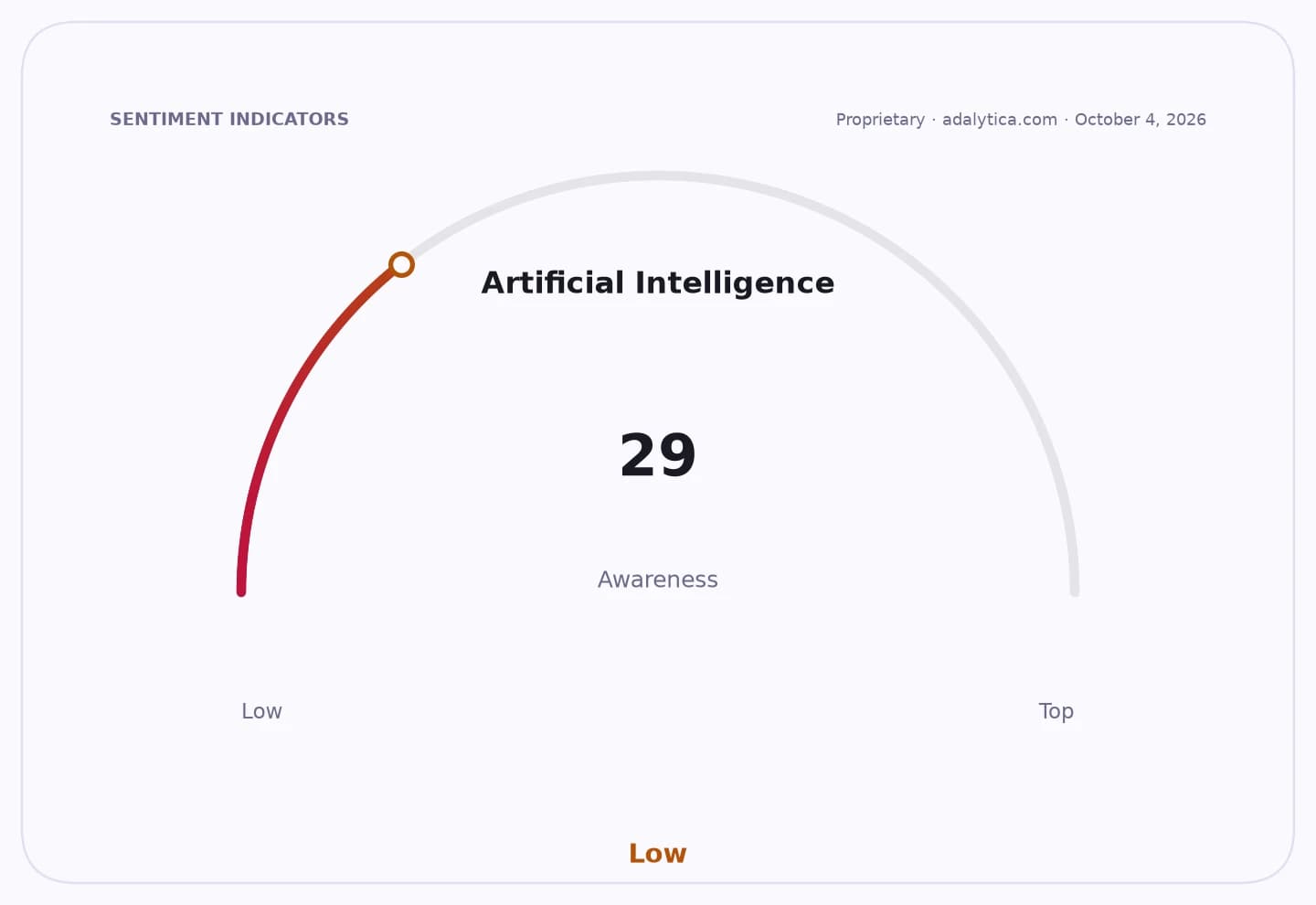
Sentiment Indicators
That matters economically because the underlying market remains large and largely unregulated. The source material estimates the Matka economy generates billions in illicit revenue, despite the Public Gambling Act of 1867 and periodic police action. Mumbai raids reportedly seized ₹500 crore last year, but enforcement has not dented demand. The game’s appeal is simple: tiny stakes can produce huge payouts, with a ₹10 bet capable of returning ₹9,000 on a jackpot. For developers, that creates a monetization opportunity through premium subscriptions, affiliate links and Telegram or sideloaded distribution. One Hyderabad freelancer said her app reached 100,000 users in six months and earns about ₹5 lakh a month.
The commercial model is especially attractive because AI reduces development time and broadens the user base. Low-code tools let solo builders launch prototypes in days, while models pull data from public charts, scan forum chatter and generate “expert” guesses that can be sold for ₹99 a month or pushed through ad-supported funnels. Some apps claim hit rates of 65% to 80%, though those claims are not independently verifiable and should be treated as marketing, not math. Still, the combination of familiar numerology, WhatsApp-style messaging and AI-generated personalization gives the apps a veneer of credibility that can keep users engaged.
For investors, the broader relevance sits in the intersection of AI adoption, mobile software distribution and online wagering. The same tooling that is helping legitimate developers move faster is also making it easier to build and iterate on high-risk, policy-sensitive products. That has implications for app stores, payment rails and cloud providers, which may face more pressure to monitor abusive or illegal use cases. It also highlights the continuing tension in India’s digital economy: rapid AI uptake on one side, weak enforcement and uneven consumer protection on the other.
The story also underscores a second-order risk for the wider gaming sector. Legal platforms such as fantasy sports and online betting operators have been trying to position themselves as regulated entertainment businesses, but the growth of AI-driven Matka apps could intensify scrutiny across the category. Regulators already have a basis to act: the 2023 IT rules restrict real-money gaming ads, and Section 69A gives authorities blocking powers. MeitY’s 2025 ethical AI framework adds another layer of pressure, even if enforcement remains uneven.
From a market perspective, the narrative is less about one illicit niche than about how quickly AI can be adapted to monetize human behavior, including harmful behavior, at scale. That makes the Matka app wave a warning signal for India’s digital economy: innovation is moving faster than the guardrails, and the gap between legitimate AI use and exploitative AI use is getting harder to police.
| Entity | Gains | Losses |
|---|---|---|
| Indian app developers | ▲Fast monetization | ▼Regulatory scrutiny |
| Matka operators/bookies | ▲Larger digital reach | ▼More enforcement risk |
| Smartphone platforms/payment rails | ▲Transaction volume | ▼Compliance burden |
| Users chasing bets | ▲Easier access | ▼Higher addiction and debt risk |