Salesforce is moving to commercialize the most consequential shift in online retail since mobile: AI agents that can discover products, route orders and complete purchases inside conversational platforms rather than search bars and traditional storefronts.
Salesforce launches AI shopping agents with ChatGPT
The company said its Shopper Agent, Buyer Agent and Merchant Agent are now generally available, with native integration into ChatGPT and Google Search, including AI Mode, and support for the Gemini app coming in the months ahead. That matters because commerce is increasingly being mediated by AI assistants, and the winners will be the platforms that can turn a recommendation into a transaction without losing control of customer data, pricing and fulfillment.
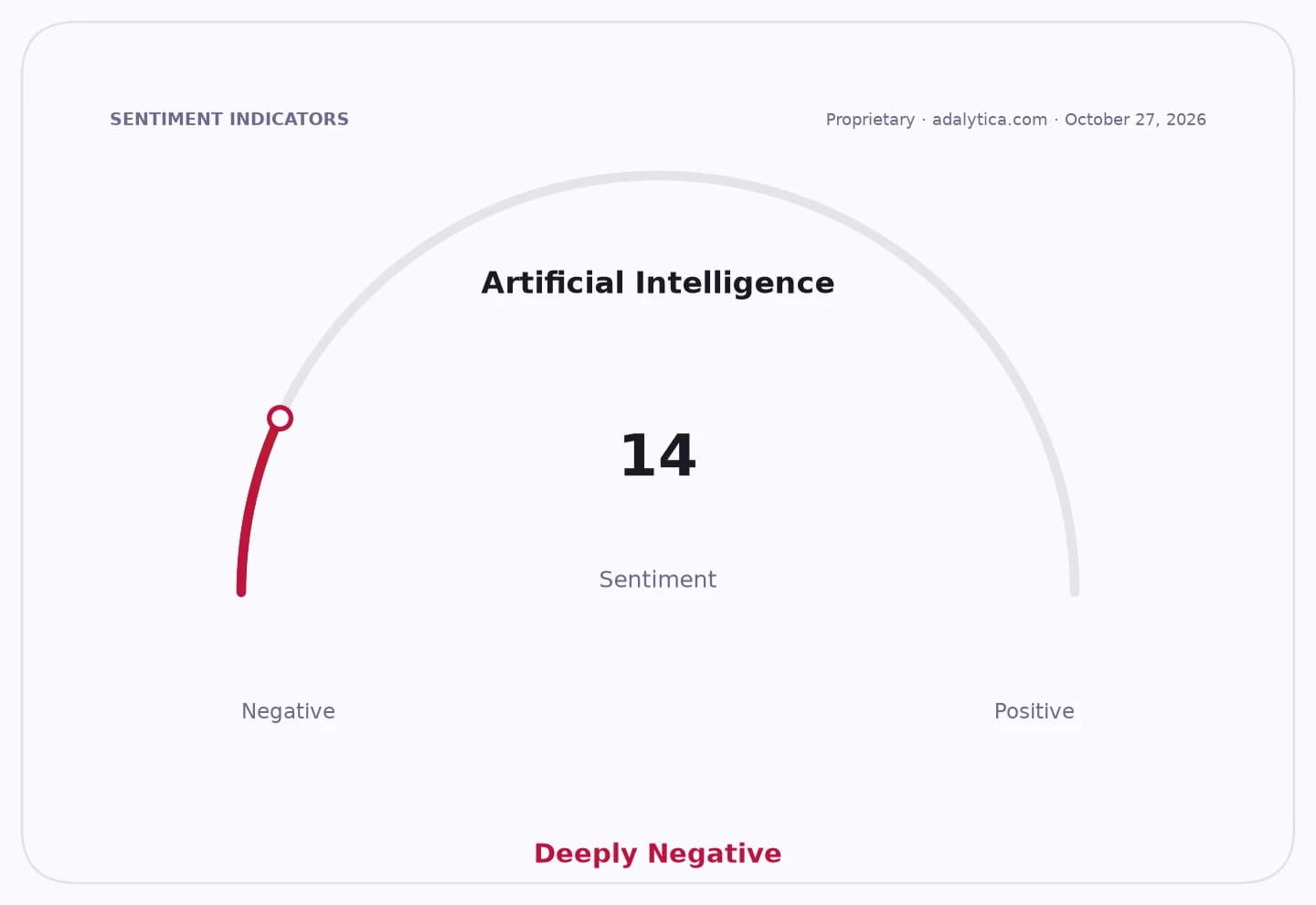
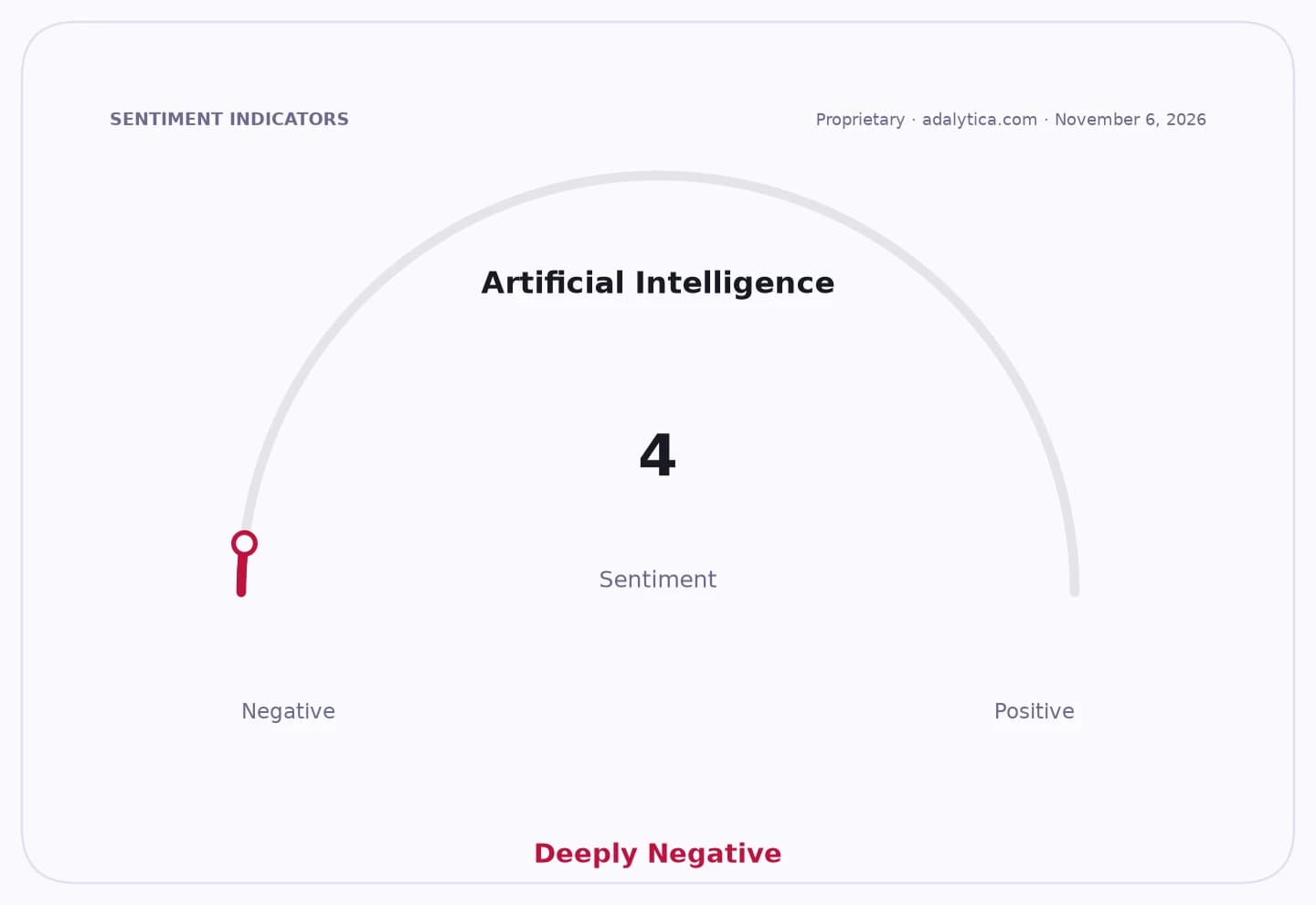
Sentiment Indicators
The economic case is already visible. Salesforce said AI influenced 20% of global online holiday sales in 2025, equal to $262 billion, while retailers running their own shopper agents grew sales 59% faster than those that did not. AI-referred traffic also converted at eight times the rate of social traffic, underscoring that the new channel is not just generating clicks but actual purchases.
For Salesforce, the launch is more than a product update. It is an attempt to position Agentforce Commerce as the operating layer between external AI interfaces and a retailer’s own data, inventory and order systems. In practice, that means a shopper who starts in ChatGPT or Gemini can be treated as the same known customer once they arrive on a brand’s site, app or messaging channel. That continuity is crucial for retailers trying to protect margins, reduce abandonment and avoid handing the customer relationship to platform owners.
The broader shift also helps explain why the story matters for the software and cloud stack around retail. If AI assistants become the front door to shopping, then the most valuable systems will be the ones that can verify stock, enforce contract pricing, promise delivery dates and resolve service issues in real time. Salesforce is betting its heritage in customer records, workflow and enterprise data gives it an advantage over lightweight chatbot add-ons.
Investors are likely to read the release as both opportunity and challenge. The bull case is that Salesforce can expand its commerce footprint as agentic AI drives more transactions through owned channels, deepening platform stickiness and supporting higher-value software sales. The bear case is that the company is entering a crowded race in which Google, OpenAI and others may control discovery, while retailers remain cautious about handing too much autonomy to software that can make pricing or fulfillment errors.
The stock action shows the market is still weighing those cross-currents. Salesforce shares have been volatile, and while its longer-term technical backdrop remains healthier than the sector’s weakest names, the recent pullback leaves investors focused on whether AI commerce can translate into measurable revenue acceleration rather than another marketing-led product cycle. For software peers such as ServiceNow, the message is similar: AI is moving from copilots to execution, but monetization will depend on whether enterprises trust these systems with real commercial decisions.
The next test will be adoption through the 2026 holiday season, when brands will need to prove that agentic commerce can lift conversion without sacrificing control, economics or customer trust. If it works, Salesforce could own a strategic layer in the next phase of digital retail; if not, AI commerce may remain a compelling demo rather than a durable growth engine.
| Entity | Gains | Losses |
|---|---|---|
| Salesforce | ▲Commerce platform relevance | ▼Pure chatbot vendors |
| Retailers using agents | ▲Higher conversion, faster growth | ▼Laggards relying on search |
| Google/OpenAI ecosystems | ▲More shopping traffic | ▼Some direct retailer control |
| Consumers | ▲Faster checkout, better discovery | ▼Brands with weak fulfillment |