Consumers are starting to turn away from brands and services that push AI into the front line, forcing companies from retail to customer support to rethink whether automation is helping or driving customers off.
Consumers Push Back on Customer-Facing AI
That shift matters because the economics of AI adoption depend not just on lower labor costs, but on whether customers trust what they see and can still resolve problems quickly. In Vietnam, a shopper said she abandoned a shoe purchase after noticing the product video was AI-generated rather than filmed by real people, while another customer described getting trapped in automated phone menus after trying to complain to a retailer. Both experiences point to the same risk: AI may cut costs, but if it makes verification harder or service slower, it can destroy conversion and repeat business.
The concern is showing up in survey data. Gartner said 50% of respondents want the option to choose brands that do not use generative AI in customer-facing content, while 68% worry about whether what they see is real. Another Gartner survey found 87% believe companies must offer a route to a human employee, and only 27% would try a chatbot again after a bad experience.
Customer-service research points in the same direction. Metrigy found 84.9% of adults in the U.S. and Canada prefer interacting with a real person over an AI agent, and 80.1% still choose humans even when told both can solve the problem. For small merchants, the problem is practical rather than philosophical: one online shop owner in Phu Tho said chatbot replies were fast but often missed special requests and irritated customers.
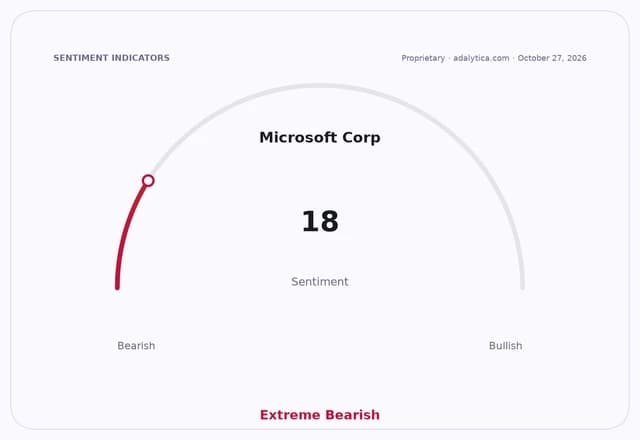
For investors, the story is a warning that AI monetization may be slower and more uneven than the hype suggests. The market has rewarded companies for showing AI enthusiasm, but the next test is whether those tools improve retention, trust and sales without creating friction that pushes users elsewhere.
That tension also helps explain why big internet and consumer platforms remain exposed to scrutiny over AI deployment. Investors will be watching for companies to balance automation with clear human escalation paths, especially as brands try to reduce support costs without damaging the customer experience that ultimately drives revenue.
| Entity | Gains | Losses |
|---|---|---|
| Companies using AI | ▲Lower support costs | ▼Customer trust and conversions |
| Consumers | ▲Faster replies in simple cases | ▼Real-person support and authenticity |
| Chatbot vendors | ▲More enterprise demand | ▼Adoption after bad experiences |
| Retailers and e-commerce brands | ▲Efficiency gains | ▼Repeat sales if AI feels fake |