Travelers are embracing artificial intelligence for one task above all others: finding cheaper hotel rooms, not handing over control of their vacations.
Travelers Prefer AI for Cheaper Hotel Rooms
That matters because it draws a bright line around how quickly AI can monetize in travel. Consumers are willing to let software monitor rates, compare options and flag a deal, but they are not ready to surrender the itinerary itself. For online travel companies, hotel tech providers and AI platforms, that makes price-shopping tools the near-term revenue opportunity — and full-service AI trip planning a longer-dated bet.
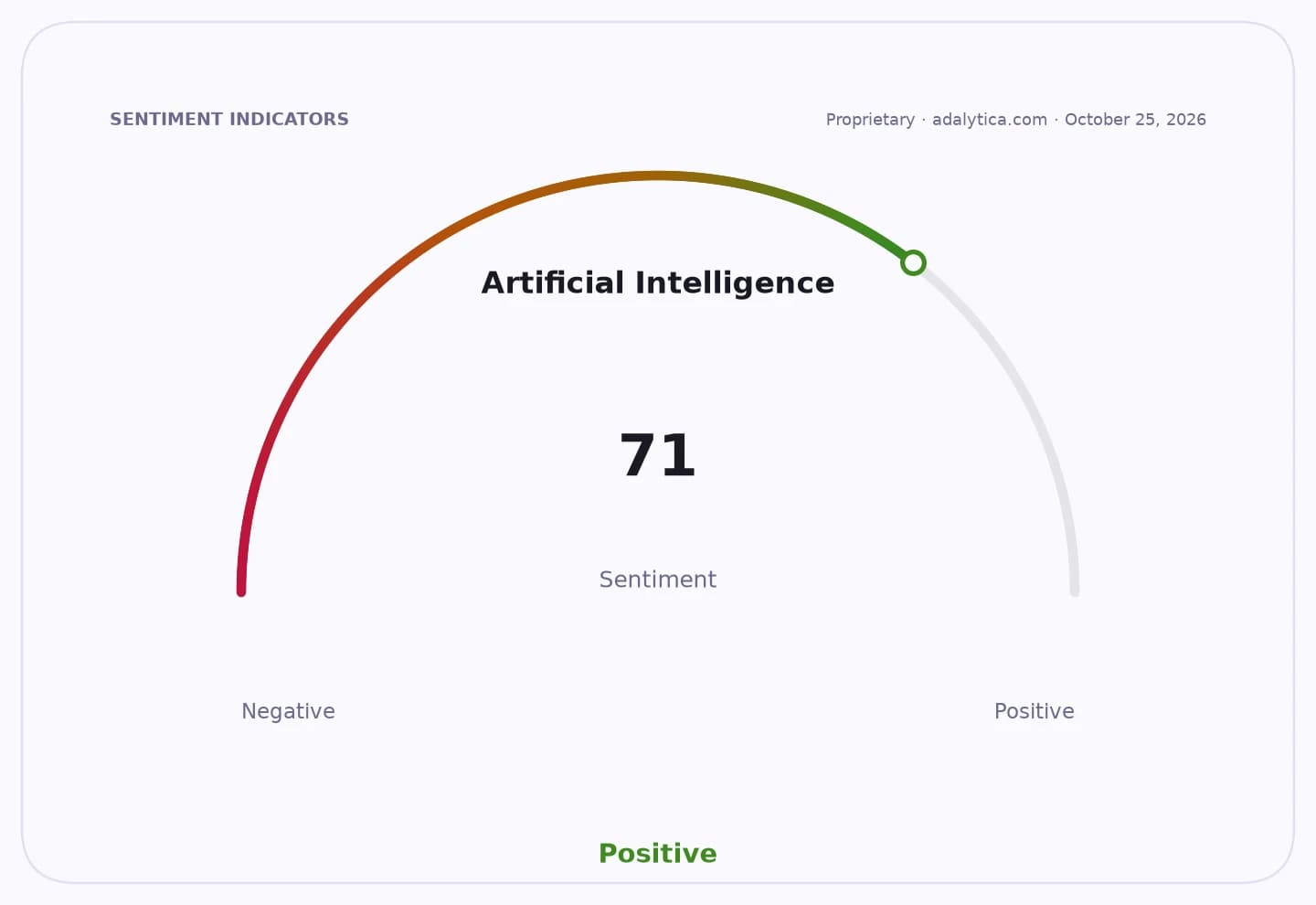
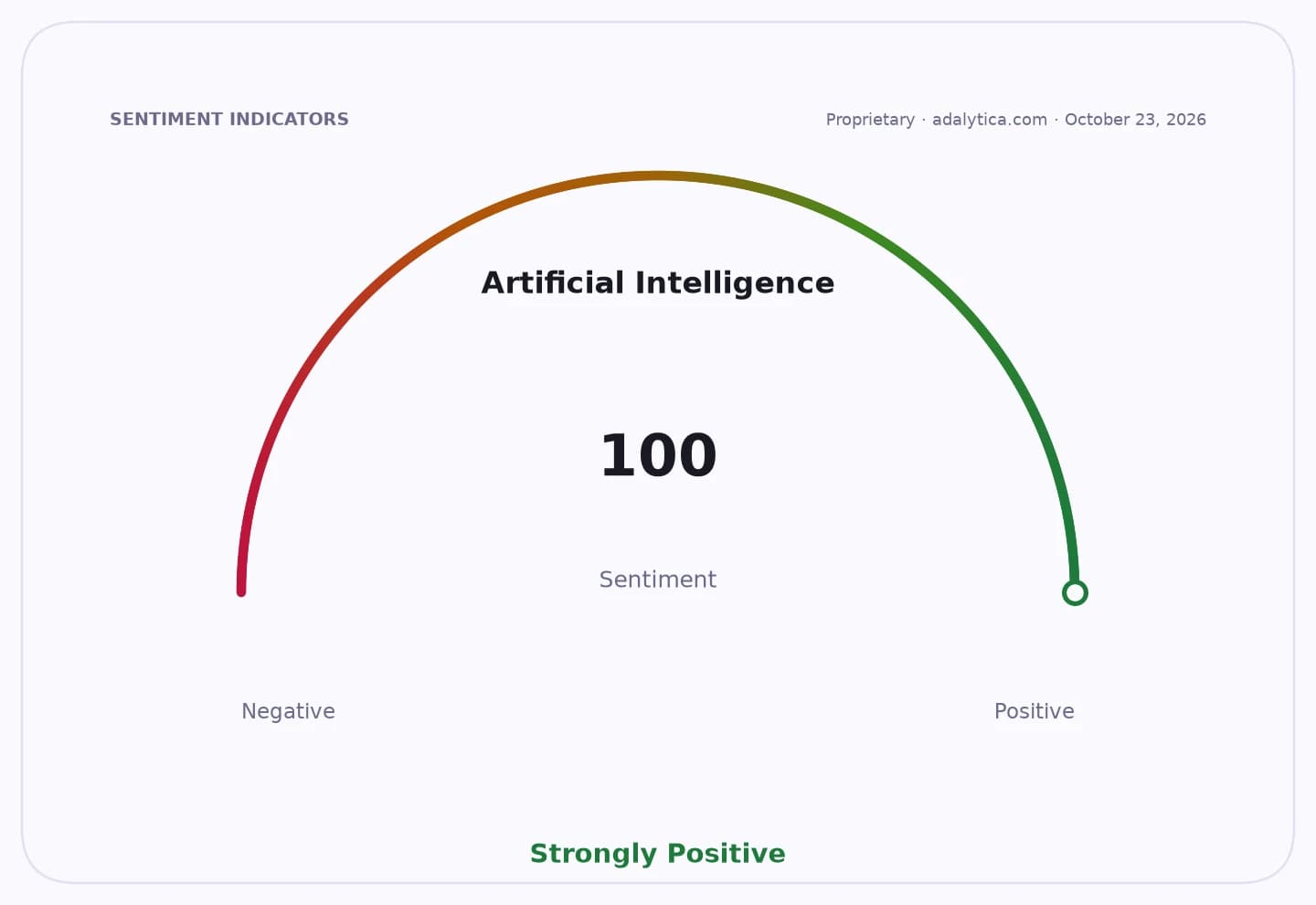
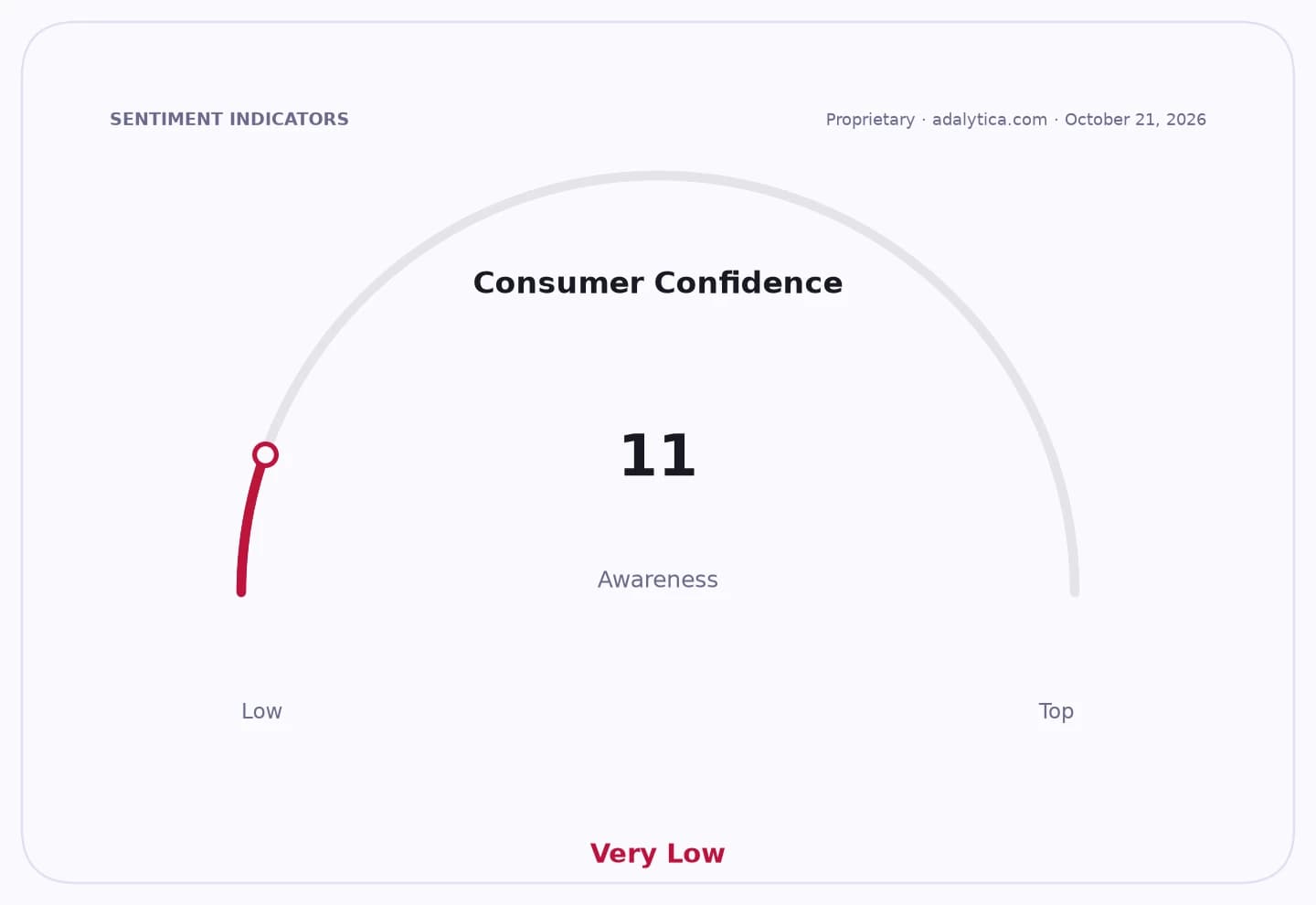
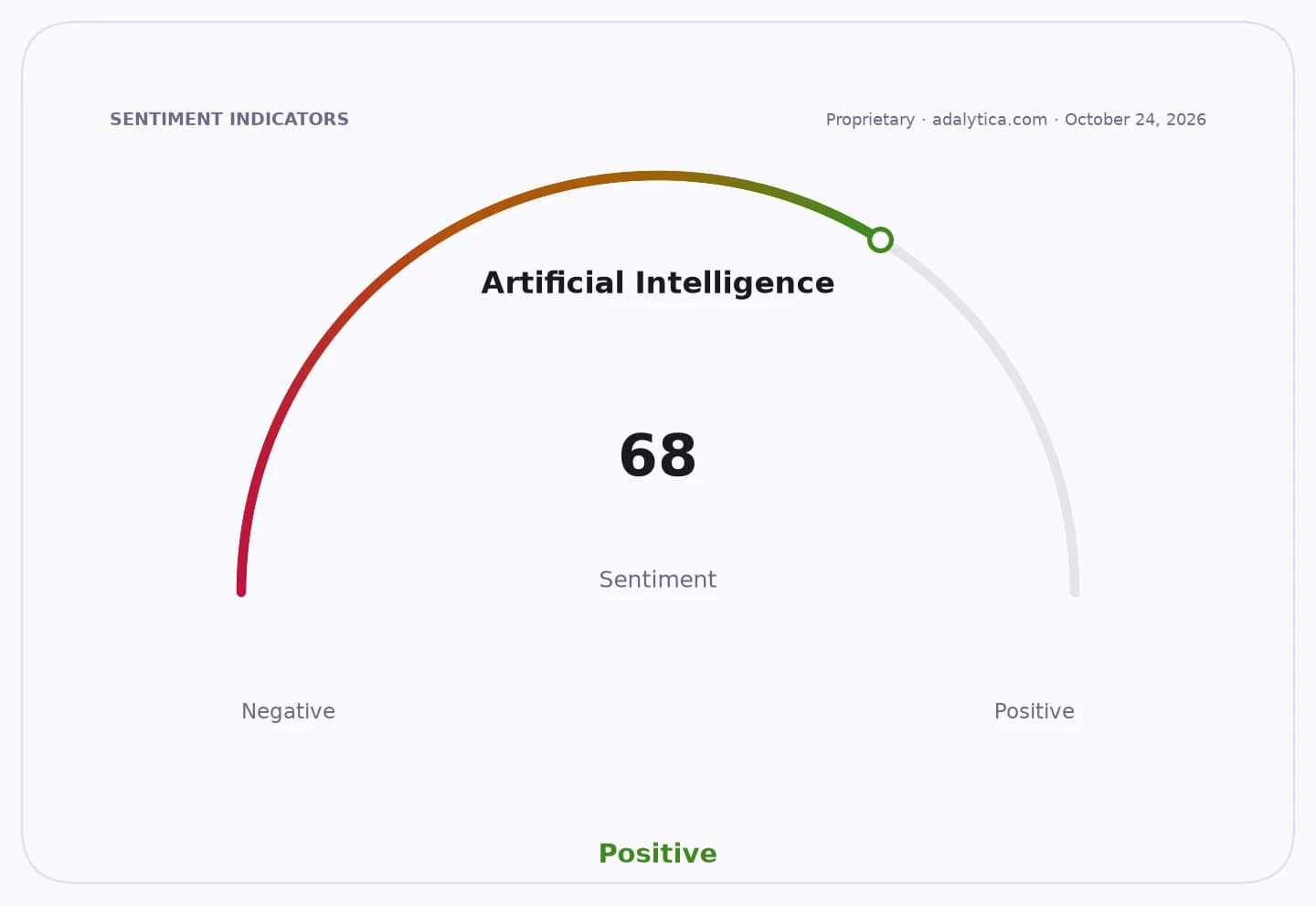
Sentiment IndicatorsⓘProprietary · adalytica.com · October 24, 2026
This is a snapshot — live sentiment, awareness and momentum for 130+ markets update continuously in the dashboard.Open AlphaPulse
A new international survey from hotel technology company Mews, covering 3,250 travelers in eight countries including Sweden, found 63% want AI to track hotel prices and alert them when rates fall. By contrast, the appetite for AI to build complete travel programs was far weaker. A separate SiteMinder survey of 12,000 people in 14 countries earlier this year reached the same conclusion: price monitoring ranked first.
That consumer preference is not trivial. Hotel booking is one of the biggest discretionary expenses in travel, and rate volatility creates exactly the kind of repetitive shopping behavior AI can automate. The value proposition is simple and immediate: save money without giving up the final decision. That is a much easier sell than asking travelers to trust an algorithm with destination choice, timing, length of stay and daily schedule.
For investors, the implication is that AI adoption in travel will likely deepen first where it reduces friction and protects margins, rather than where it replaces human judgment. That is favorable for booking platforms, metasearch tools and hotel software vendors that can embed AI into search, alerting and pricing workflows. It also supports the case for businesses that sit on the hotel distribution layer, where consumers still need comparison, discovery and booking execution.
The stock tape already shows how much investors are willing to pay for travel platforms that can convert demand into bookings and take rates. Airbnb has climbed to around $172 from a low near $112 in November, while Booking Holdings and Expedia have also recovered sharply from earlier-year drawdowns. The message is that the market still wants exposure to travel tech, but it will reward companies that use AI to make booking smarter and cheaper — not just more automated.
Mews technology chief Josef Starýchfojtů put it bluntly: if companies get the balance wrong, even useful AI can feel intrusive. That is the key commercial constraint. In travel, trust is the product, and travelers appear willing to outsource the tedious parts first.
The investable takeaway is clear: the near-term winners are the platforms that turn AI into a price-comparison and conversion engine. The market may be underestimating how large that opportunity is if consumers keep choosing “cheaper” over “fully automated.”
| Entity | Gains | Losses |
|---|---|---|
| Booking platforms | ▲More AI-driven search traffic | ▼Less demand for full trip outsourcing |
| Hotel software firms | ▲Higher adoption of price alerts | ▼Pressure to prove ROI |
| Travelers | ▲Lower room rates | ▼Less hands-off convenience |
| AI trip planners | ▲Better narrow-use cases | ▼Weaker trust for full itineraries |