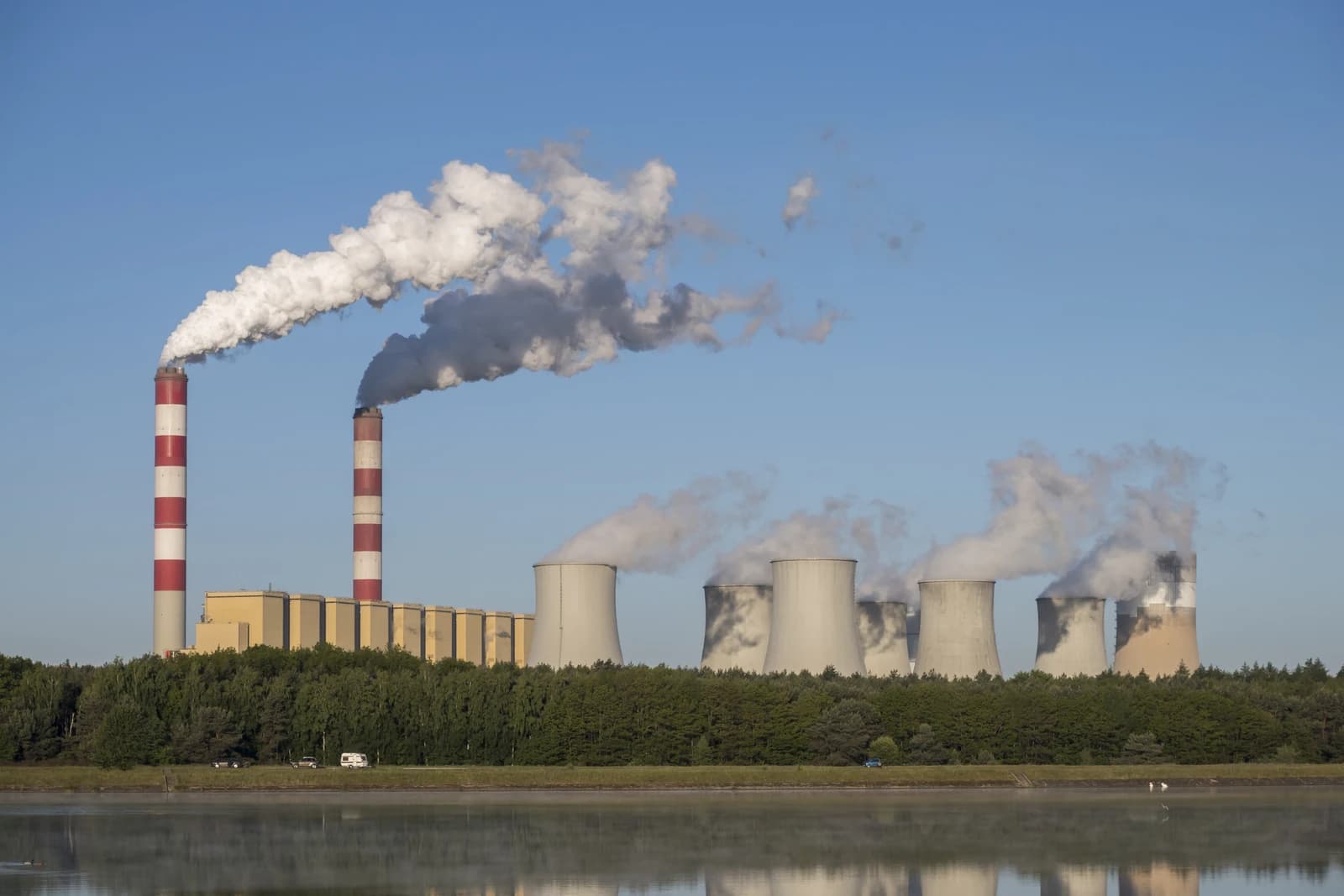
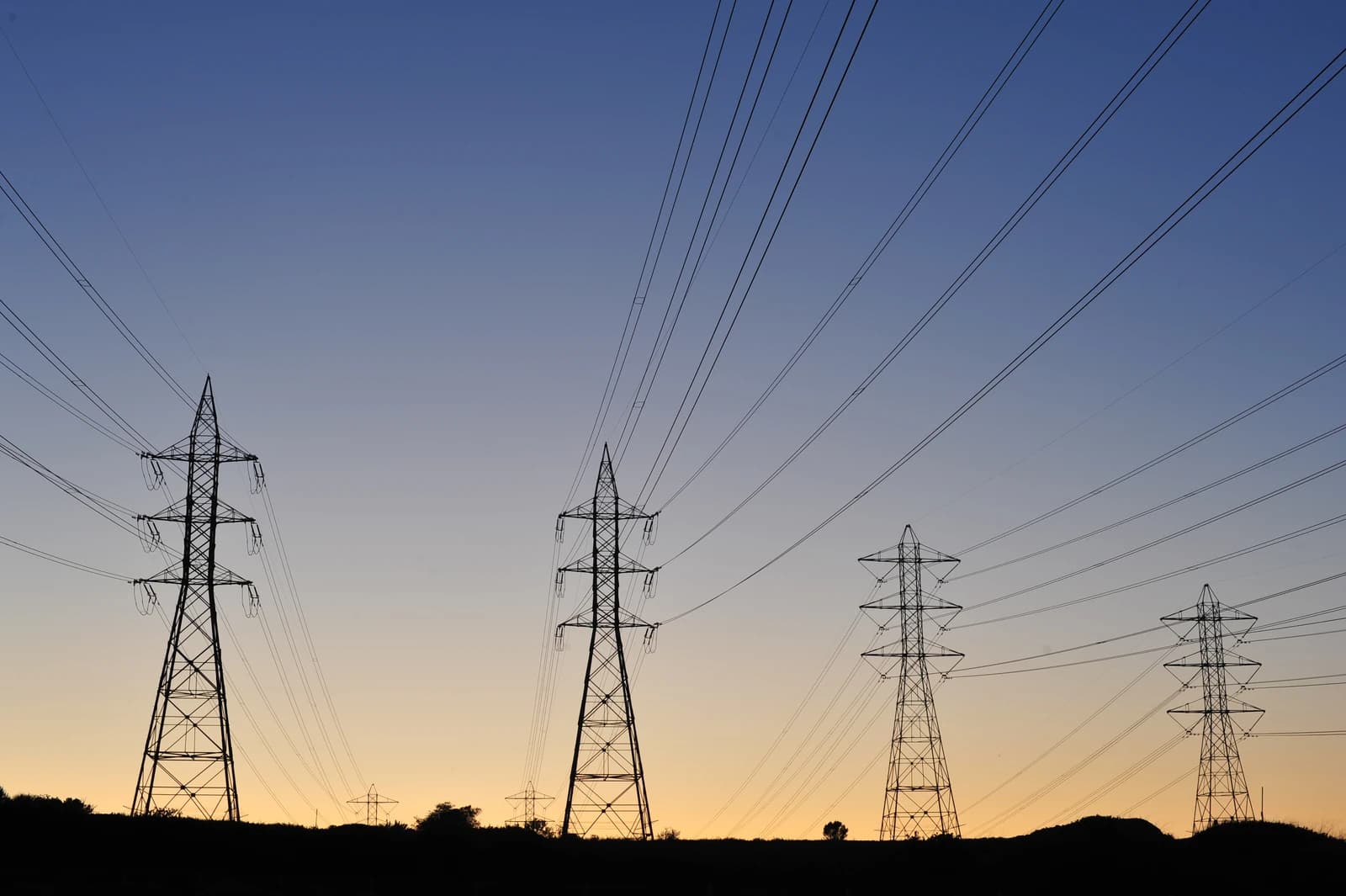
Kansai Electric Power and other Japanese utilities are drawing renewed investor interest as the sector benefits from a broader push to harden grids, expand storage and fund power reliability projects.
Kansai Electric Power rises on grid and storage spending
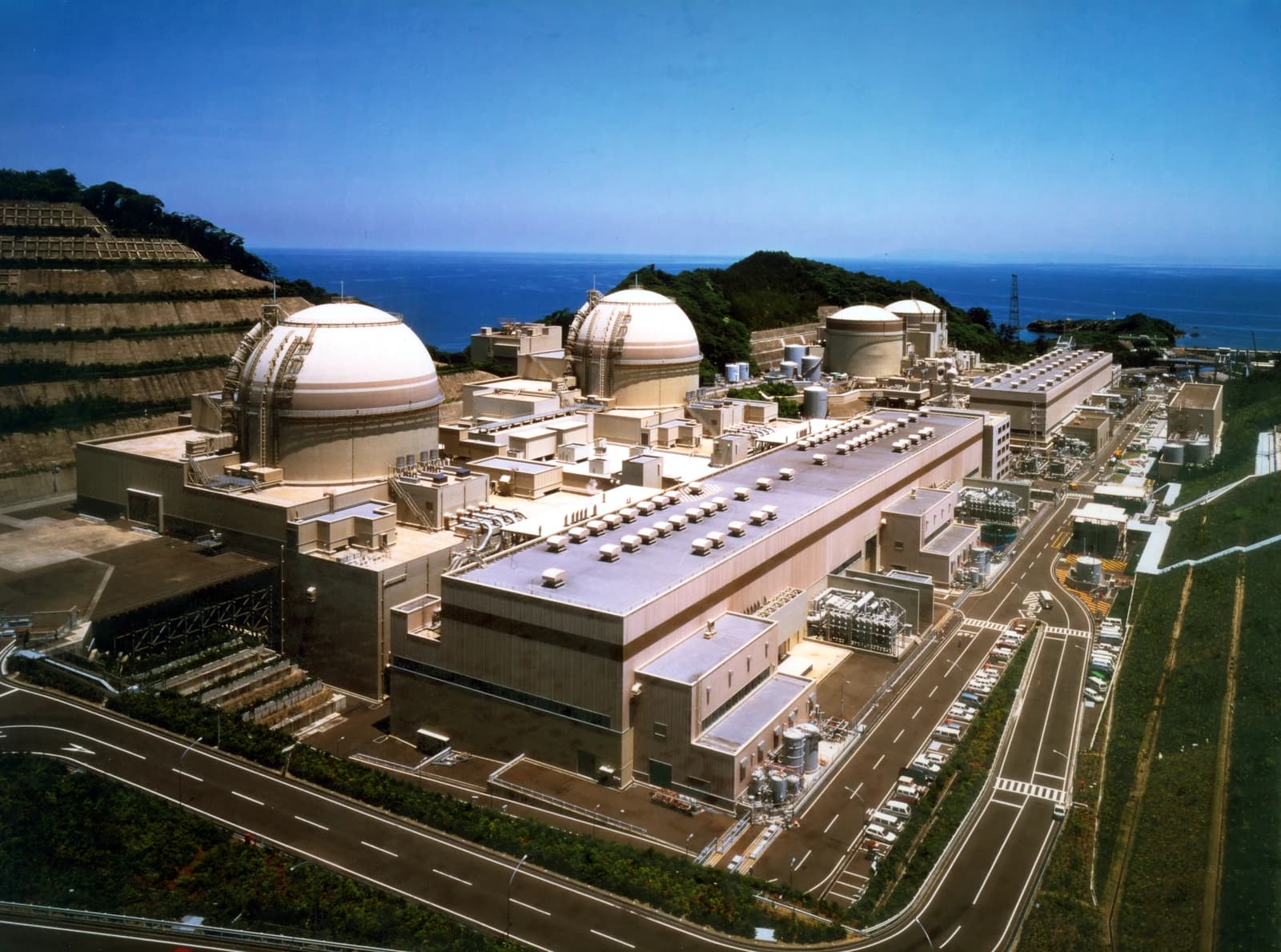
The move matters because utilities are increasingly being treated less like defensive yield stocks and more like capital-intensive infrastructure plays tied to the energy transition. In Japan, that has kept attention on companies such as Kansai Electric Power, Tokyo Electric Power and other regulated names that stand to benefit if governments and regulators continue backing battery storage and transmission spending.
Kansai Electric Power’s shares have already outperformed over recent months, underlining how quickly sentiment can shift when investors see a clearer earnings case for utilities. The stock closed at 2,669 yen on Nov. 10, up from 2,243.18 yen in mid-May, while trading remains well above its 200-day moving average, a sign the longer-term trend is still intact despite recent pullbacks. The 50-day moving average sits below the latest close, suggesting momentum has cooled from September’s surge, when the stock briefly climbed near 2,982 yen.
For the wider sector, the catalyst is policy and project flow rather than a single corporate event. Utility-scale battery approvals in Australia and ongoing grid investment themes across markets are reinforcing the idea that power companies with exposure to regulated infrastructure and storage can capture more stable returns as electricity systems become more complex.
Investors are watching whether Japanese utilities can turn that theme into sustained earnings and dividend support without being squeezed by higher financing costs and heavy capital spending. That tension is especially important for utilities because the trade often rests on balance-sheet discipline as much as on growth.
The next catalyst is whether more domestic grid, storage or reliability projects are approved, and whether utilities can keep funding them without derailing profitability.
| Entity | Gains | Losses |
|---|---|---|
| Kansai Electric Power | ▲Higher utility re-rating | ▼Recent momentum traders if pullback deepens |
| Japanese utilities | ▲Grid and storage spending tailwind | ▼Rate-sensitive short sellers |
| Regulators/governments | ▲Better reliability and energy transition progress | ▼Taxpayers if project costs rise |
| Competing defensive stocks | ▲Less inflow into utilities if rotation reverses | ▼Relative investor interest |