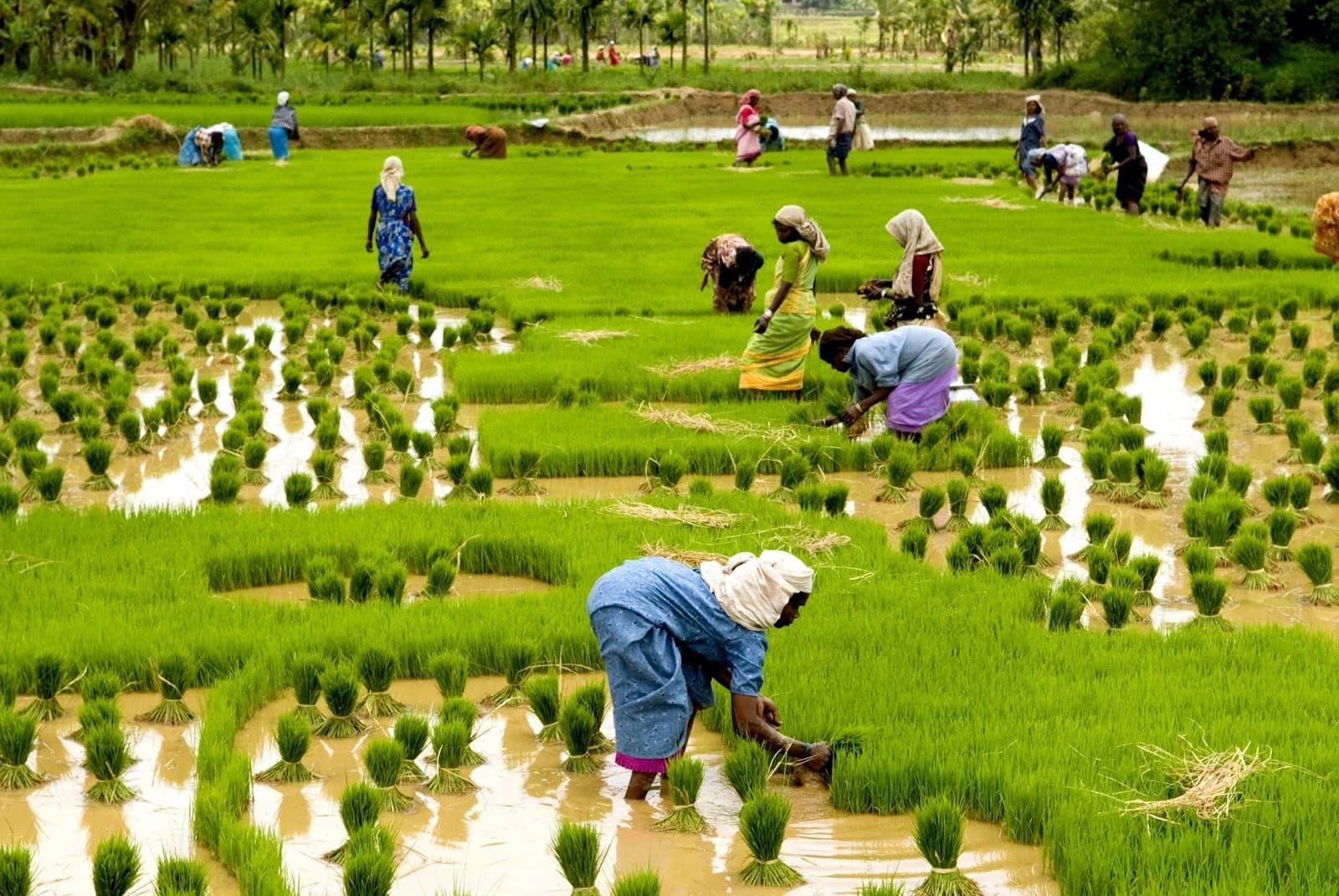
A month-long farmers’ agitation in Karnataka has forced the state to set sugarcane at 3,600 rupees a ton in Belagavi, easing pressure on mills but stopping well short of the 5,500 rupees growers demanded.
Karnataka sets Belagavi sugarcane price at 3,600
The move matters because sugarcane pricing feeds directly into farm incomes, rural cash flow and the economics of India’s sugar belt. With harvesting underway and protests including highway blockades, padayatras and a jail bharo campaign, the government needed to defuse a wider disruption that threatened transport, local commerce and mill operations in one of the state’s key cane-growing districts.
Sentiment Indicators
District in-charge minister Satish Jarakiholi announced the price after talks with sugar factory owners at the Belagavi deputy commissioner’s office. Farmers’ leader Chunnappa Poojari called it the first victory for the protest, but insisted the minister should formally declare the rate at the agitation site.
The pricing applies only to Belagavi, where cane yields are higher, and officials said districts with lower productivity will receive lower rates. That keeps the burden from spreading evenly across Karnataka, but also signals that the state is treating cane pricing as a district-level bargaining issue rather than a uniform farm support measure.
The decision lands against a backdrop of firmer prices across several farm commodities and government efforts to protect rural purchasing power. It also shows how quickly agricultural pricing can become a law-and-order issue when farmers believe mills and local authorities are not moving fast enough.
For investors, the immediate focus is on sugar mill margins, cane procurement costs and the risk of further concessions if protests spread. The next test is whether Jarakiholi’s announcement is accepted on the ground or whether farmers escalate pressure for a higher, statewide floor.
| Entity | Gains | Losses |
|---|---|---|
| Sugarcane farmers in Belagavi | ▲Higher cane price | ▼Still below demand |
| Karnataka government | ▲Short-term calm | ▼Political pressure |
| Sugar mill owners | ▲Protest relief | ▼Higher procurement costs |
| Rural economy | ▲Support for farm income | ▼Risk of uneven pricing |