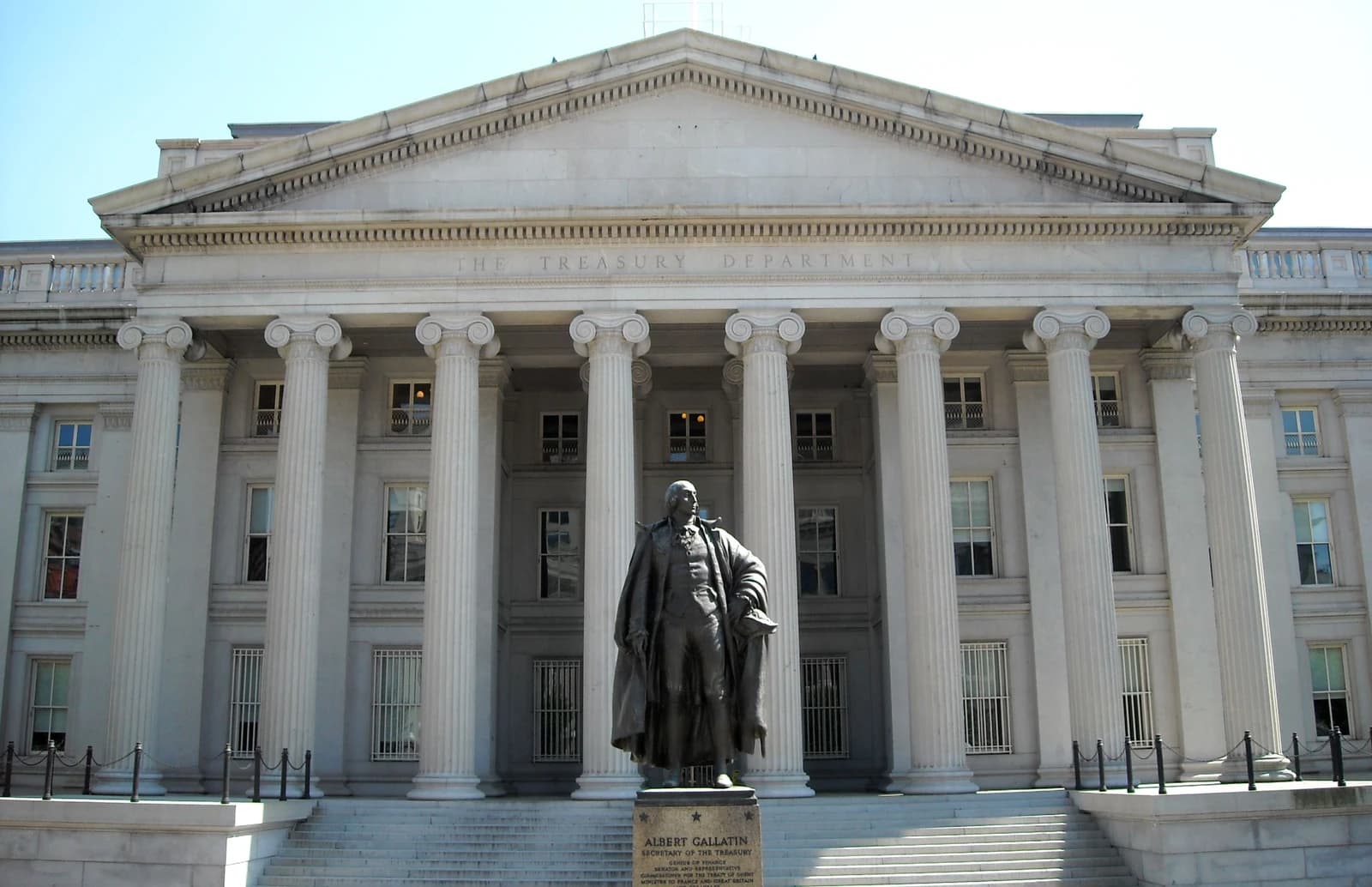
A 73-year-old Kerala farmer says the state’s procurement system is effectively punishing paddy growers after her rice sale proceeds were clawed back by Canara Bank because Supplyco did not repay a paddy procurement loan on time.
Kerala farmer loses paddy sale money in loan clawback
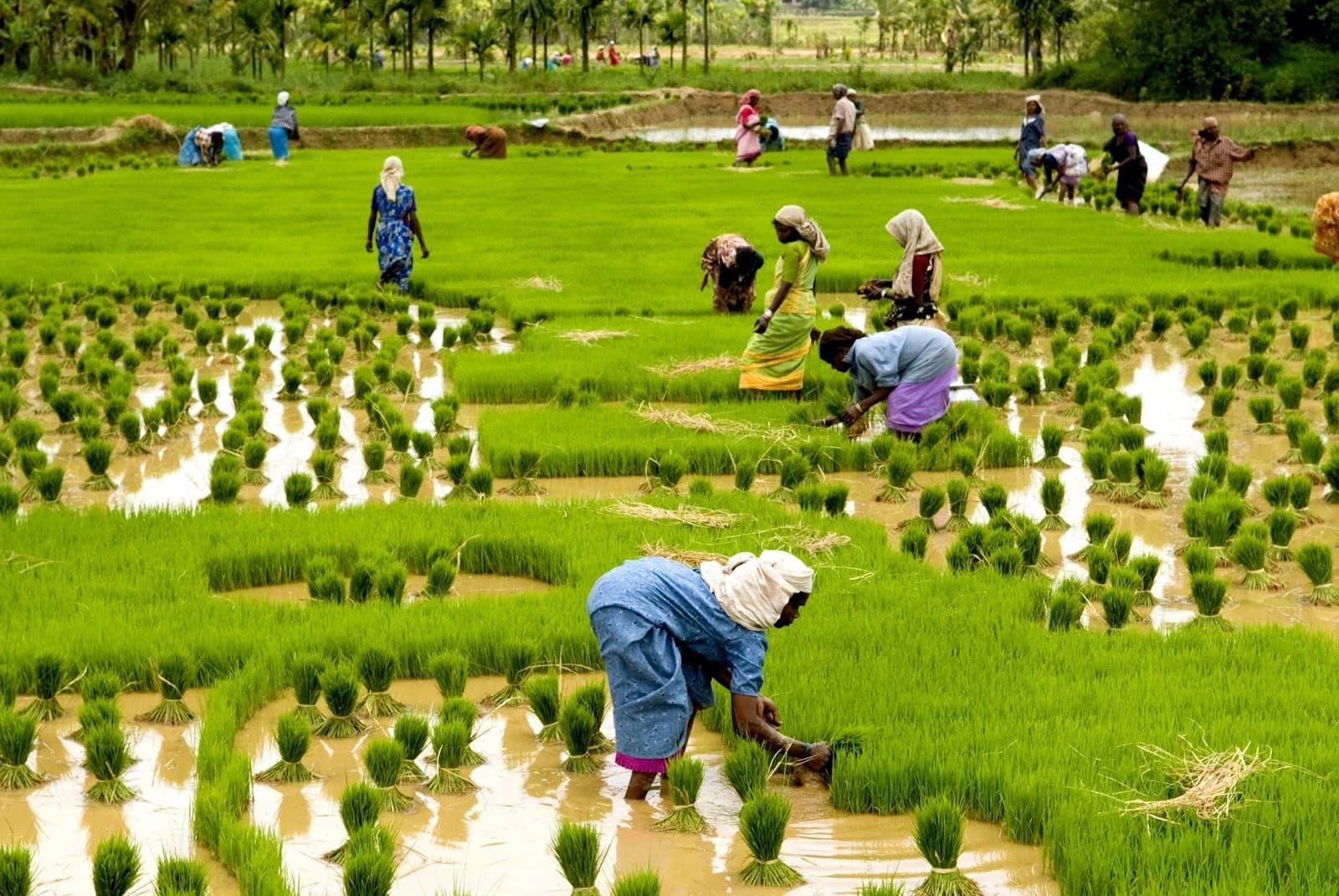
The case has become a sharp illustration of how a delayed public-sector payment can ripple through rural credit, erode farm incomes and shake confidence in a procurement model meant to protect cultivators. For farmers, the immediate issue is cash flow: without timely settlement of the PRS, or paddy receipt, loan, the sale money is not usable income but a bank recovery.
Sentiment Indicators
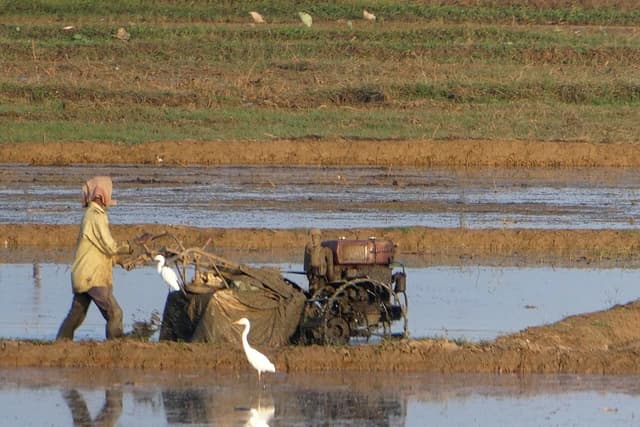
Indira Padmanabhan of Kavassery Anamari in Alathur had delivered 10,250 kg of paddy from the 2025-26 second crop and was due Rs 3,08,730. Instead, when she applied to receive the amount as a PRS loan on Sept. 29, the bank rejected the request because Supplyco had not cleared an earlier loan. The bank then took back Rs 3,08,730 that Supplyco later credited to the same account, leaving her with a minus balance of Rs 34,499 after also adjusting Rs 1,751.50 already in the account.
The dispute is not just about one farmer’s account. It exposes a financing chain that depends on the state procurement agency honoring repayment schedules so banks can roll over crop-linked loans without hitting growers. When that chain breaks, the state effectively shifts working-capital stress from Supplyco onto farmers, who may already be preparing for the next sowing cycle.
That matters economically because paddy cultivation is a low-margin, high-volume business where timing is everything. If procurement payments are delayed or netted off against old dues, farmers can lose the liquidity needed to buy seed, fertilizer and labour for the next crop. The result is a hidden tax on production and a disincentive to keep land in rice, especially for older or smaller growers with limited savings.
It also raises broader questions for Kerala’s food-security and procurement policy. Supplyco is meant to stabilize farm incomes and support domestic rice production, but repeated settlement failures can make the system appear unreliable. In a state where labour costs are high and cultivation decisions are increasingly sensitive to returns, even one highly visible case can influence whether farmers continue planting paddy or shift to less troublesome crops.
The political risk is straightforward: if procurement agencies cannot guarantee prompt payment, confidence in the state’s farm-support architecture weakens. The financial risk is equally clear for banks and the agency itself, because unresolved PRS liabilities can quickly become a collections problem rather than a procurement one.
For investors and lenders, the lesson is that rural credit quality depends not just on farm output but on the public payment machinery behind it. If the state smooths repayment and clears arrears, paddy procurement can function as intended. If not, the cost of delay will keep landing where the cash is weakest — on farmers.
| Entity | Gains | Losses |
|---|---|---|
| Supplyco | ▲Short-term cash retention | ▼Farmer trust |
| Canara Bank | ▲Loan recovery leverage | ▼Rural borrower goodwill |
| Paddy farmers | ▲None | ▼Cash flow, confidence |
| Kerala government | ▲Procurement policy scrutiny | ▼Political credibility |