Karnataka’s accusation that petrol sold at pumps in the state contained as much as 31.2% ethanol has raised a regulatory and commercial challenge for India’s fuel market, forcing oil companies and the federal government to defend blending standards at a time when ethanol policy is central to transport-fuel economics.
Karnataka Accuses Oil Firms Over Petrol Ethanol Levels
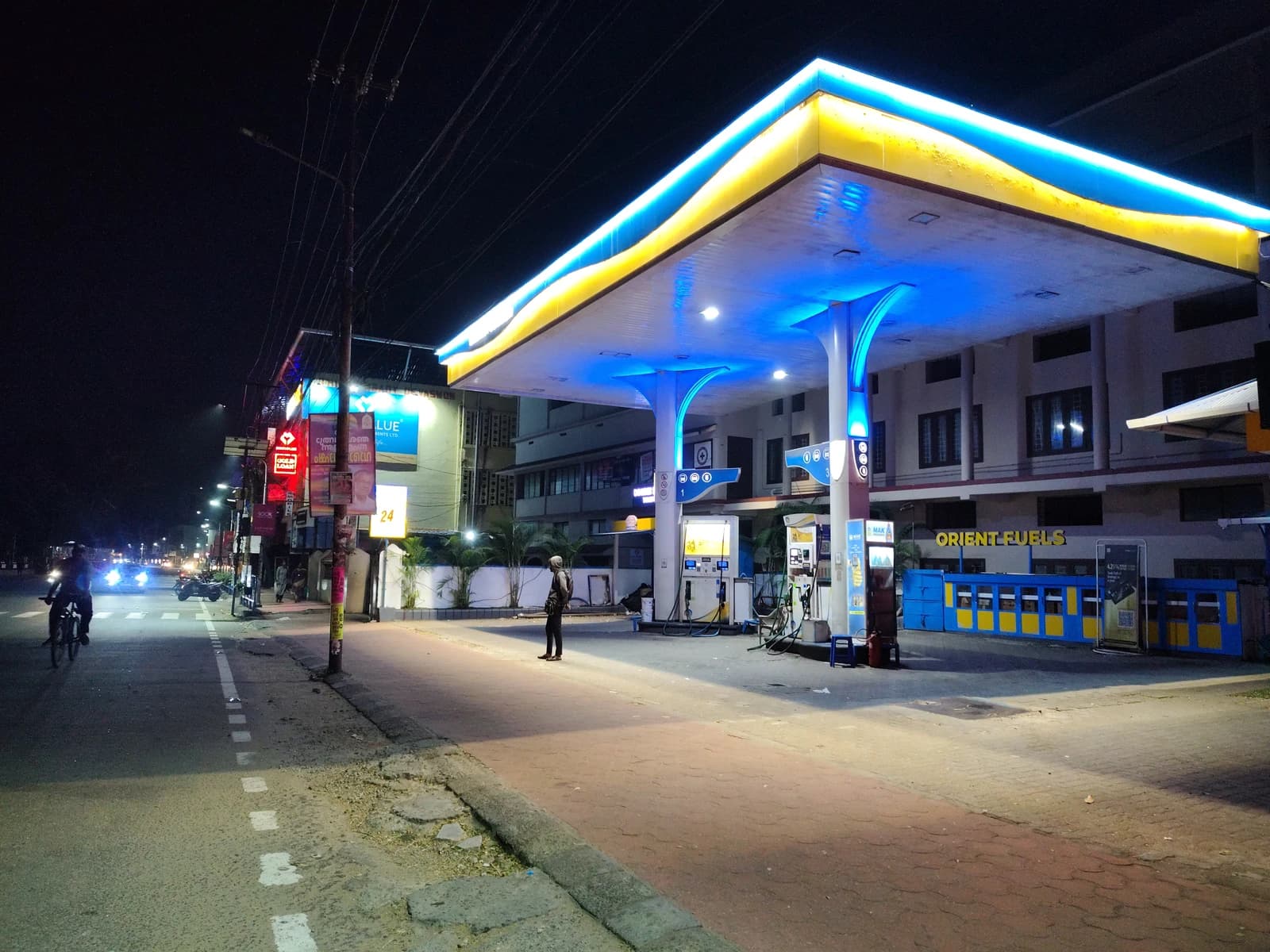
The issue matters because the alleged levels are well above the 20% cap that applies to E20 petrol, turning what should be a routine compliance debate into a question of product quality, consumer damage and potential liability. If the state’s findings hold up, the cost is not just to motorists facing lower mileage and possible engine wear, but also to refiners and marketers that could be exposed to warranty disputes, compensation claims and tighter oversight of fuel distribution.
Sentiment Indicators
Oil WTI
Karnataka officials said samples collected from Bengaluru, Kolar, Chikkaballapura, Bengaluru Rural, Ramanagara, Mangaluru and Tumakuru were tested at Shriram Research Institute in Bengaluru, an NABL-accredited, ISO-certified lab. The state said Indian Oil samples showed ethanol levels of 31.2%, Hindustan Petroleum’s 30.5%, other samples 27%, Bharat Petroleum’s 26.5%, Nayara’s 26.1% and Shell’s 25.5%.
The state also alleged that when those same samples were tested in the companies’ in-house laboratories, the ethanol content was not disclosed, even though it is an obligatory parameter. Karnataka has demanded that ethanol-blend percentages be displayed at all petrol pumps and that an “E20 spoilage fund” be created to compensate vehicle owners whose vehicles are damaged by off-spec fuel.
The dispute lands in the middle of India’s broader push to raise ethanol use in motor fuel, a policy aimed at cutting crude imports, supporting farm incomes and reducing the oil import bill. But the Karnataka findings expose the operational risk of a nationwide blending program: once ethanol content rises beyond engine tolerances, the policy can become a consumer-protection issue rather than a cost-saving one.
Oil companies have rejected the accusations, saying fuel quality remains within prescribed limits and that tests across 27 states show compliance. That denial matters because the controversy could still be contained if federal regulators back the industry, but it could widen quickly if other states repeat Karnataka’s checks. Kerala has already said it plans to expand inspections of petrol pumps.
For investors, the immediate read-through is less about a direct hit to earnings than about regulatory risk for India’s fuel-marketing and refining sector. A finding of systemic non-compliance could increase compliance costs, force changes in supply-chain controls and raise the possibility of compensation exposure. It could also sharpen scrutiny of the policy itself, potentially slowing the rollout of higher-blend fuels if consumer backlash builds.
The broader market impact is likely to be felt most by the public-sector oil marketing companies that dominate retail fuel sales, while motorists and vehicle manufacturers face the downside if fuel quality disputes turn into warranty claims or service costs. The next catalyst is the detailed Karnataka report, along with any federal response on labeling, testing standards and whether fuel sold as E20 is consistently meeting the specification at the pump.
| Entity | Gains | Losses |
|---|---|---|
| Karnataka government | ▲Political leverage | ▼Administrative burden |
| Oil marketing companies | ▲Policy cover if cleared | ▼Compliance scrutiny |
| Motorists | ▲Better transparency | ▼Lower mileage, repair risk |
| Federal ethanol policy | ▲If standards are enforced | ▼If credibility erodes |