India’s decision to exclude ethanol made from sugarcane juice, sugar and B-heavy molasses from the 2026-27 supply tender is a material policy reset for one of the country’s fastest-growing energy and agribusiness markets, threatening mill revenues while giving consumers and oil refiners more control over fuel costs.
India Excludes Sugarcane Ethanol From 2026-27 Tender
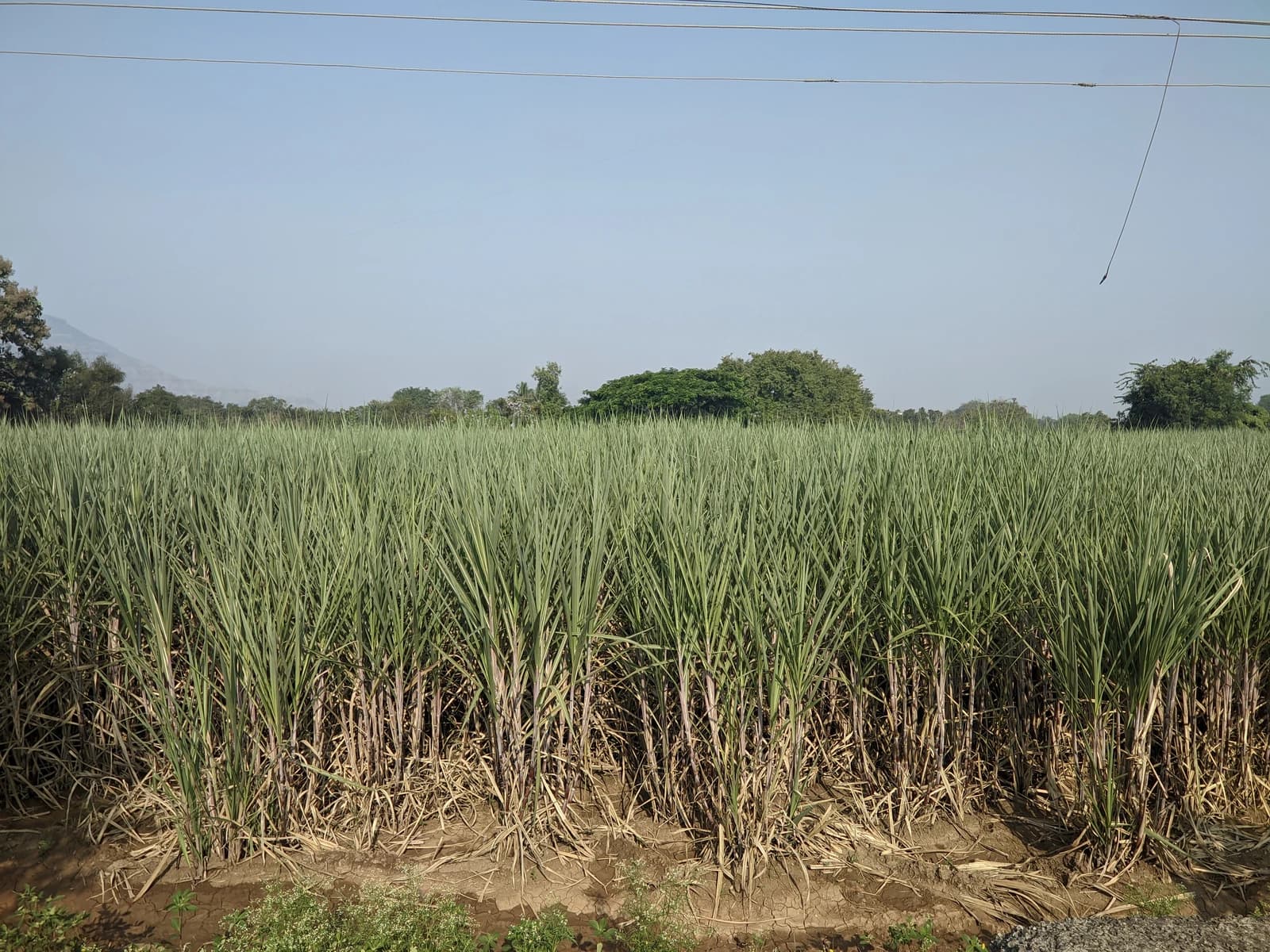
The move matters because India has been leaning on ethanol blending to trim crude imports, support farm incomes and deepen the domestic biofuels market. Pulling sugar-based feedstock out of the procurement pool changes the economics for mills that had invested heavily in distilleries on the assumption that ethanol demand would keep rising. It also signals that the government is prioritizing sugar availability and price stability over the pace of ethanol expansion, at least for now.
Sentiment IndicatorsⓘProprietary · adalytica.com · October 21, 2026
This is a snapshot — live sentiment, awareness and momentum for 130+ markets update continuously in the dashboard.Open AlphaPulse
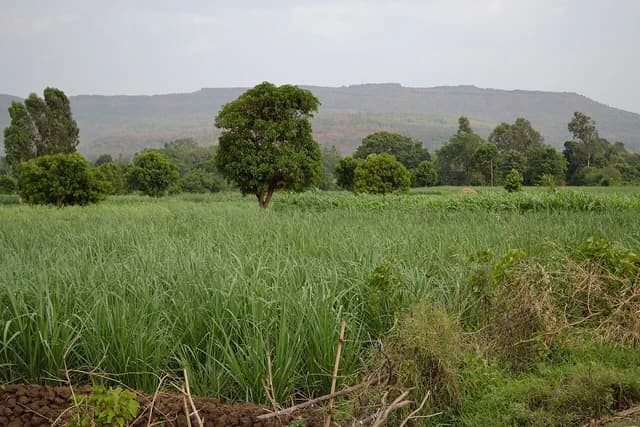
Oil marketing companies have floated a tender for 11 billion liters of ethanol supply this year, underscoring how central the blending program has become to the fuel market. But the policy also arrives with a direct pricing hit: ethanol produced from corn has been cut by 3 rupees a liter, reducing the incentive for an alternative feedstock that had been gaining share as mills diversified away from sugar.
For the sugar industry, the stakes are significant. Industry participants have warned that excluding sugar-based ethanol could wipe out billions of rupees in revenue and delay investment plans for new or expanded distillation capacity. That in turn could slow the shift toward a more integrated sugar-and-energy business model that had been touted as a way to smooth earnings through volatile sweetener cycles.
Investors will read the decision as a margin and cash-flow headwind for Indian sugar producers and a possible speed bump for ethanol project approvals and financing. The bull case is that the government may eventually restore volumes if sugar supplies normalize, preserving the long-term blending thesis. The bear case is that repeated policy intervention could cap returns across the sector and force mills to rely more heavily on traditional sugar economics.
The broader signal is that India’s biofuels policy remains flexible, not fixed. As the government balances food inflation, farm incomes and energy security, ethanol producers and sugar stocks will remain highly sensitive to procurement rules, feedstock pricing and any changes to the country’s blending targets.
| Entity | Gains | Losses |
|---|---|---|
| Oil marketing companies | ▲Lower procurement pressure | ▼Less feedstock flexibility |
| Sugar consumers | ▲Better supply outlook | ▼Slower ethanol-linked demand |
| Sugar mills | ▲Higher sugar diversion to sales | ▼Lost ethanol revenue |
| Corn ethanol producers | ▲Some relative pricing support | ▼Lower administered price |